MYTH: Study abroad is just a vacation

MYTH: Study abroad is just a vacation 
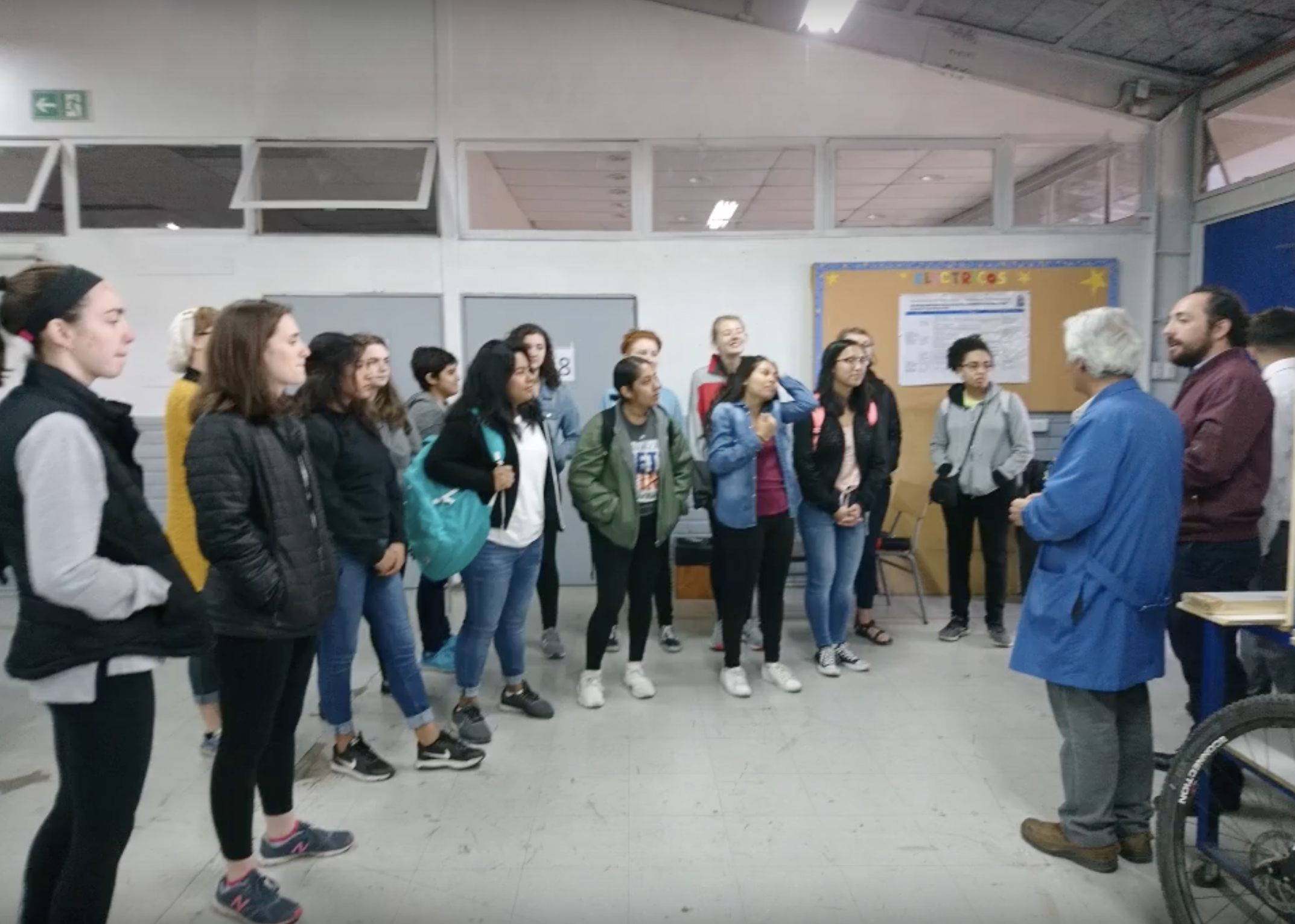
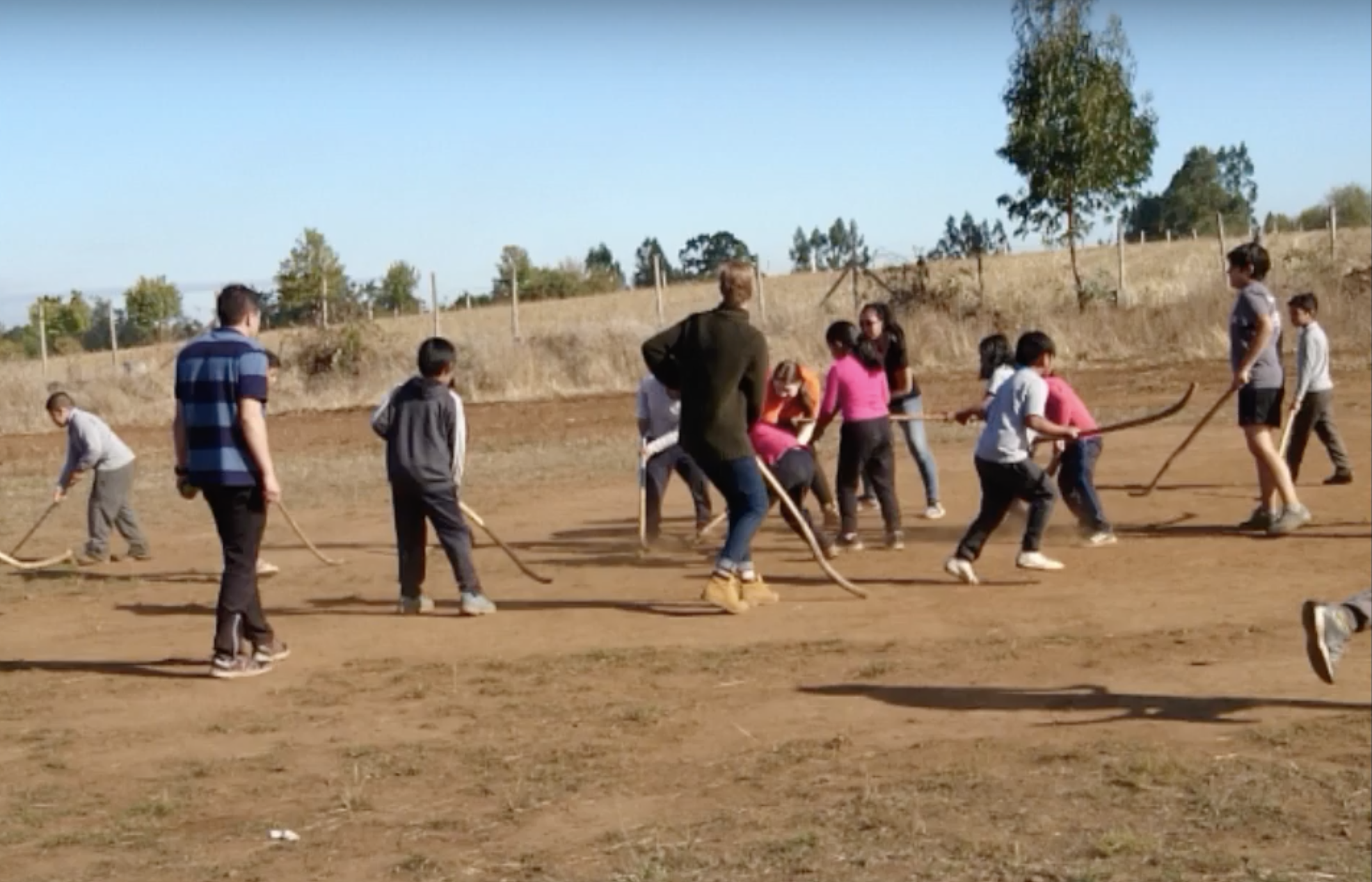
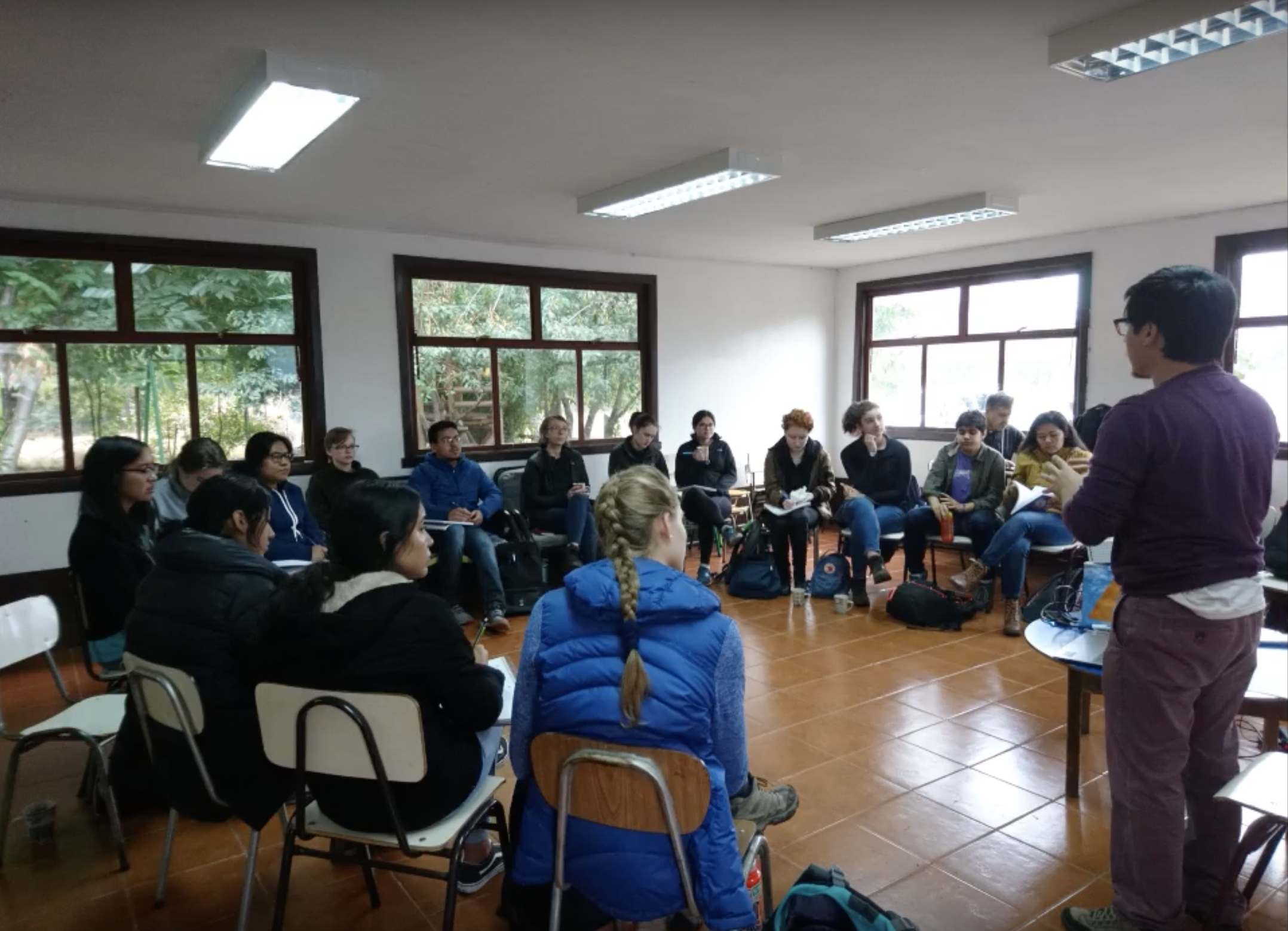
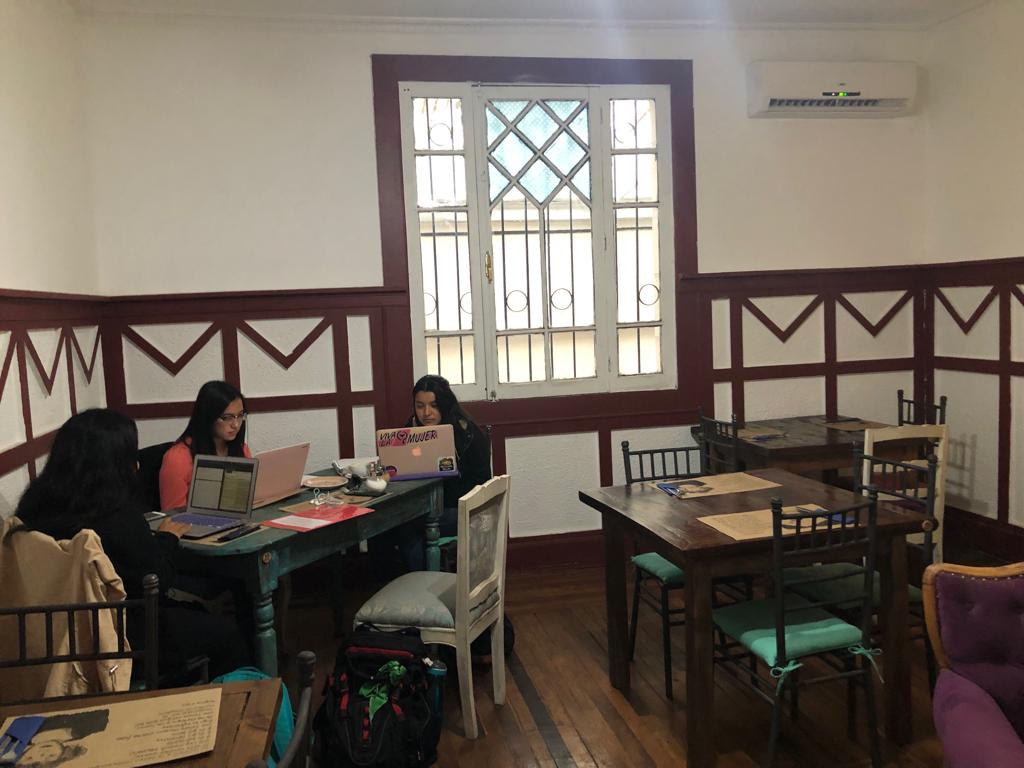
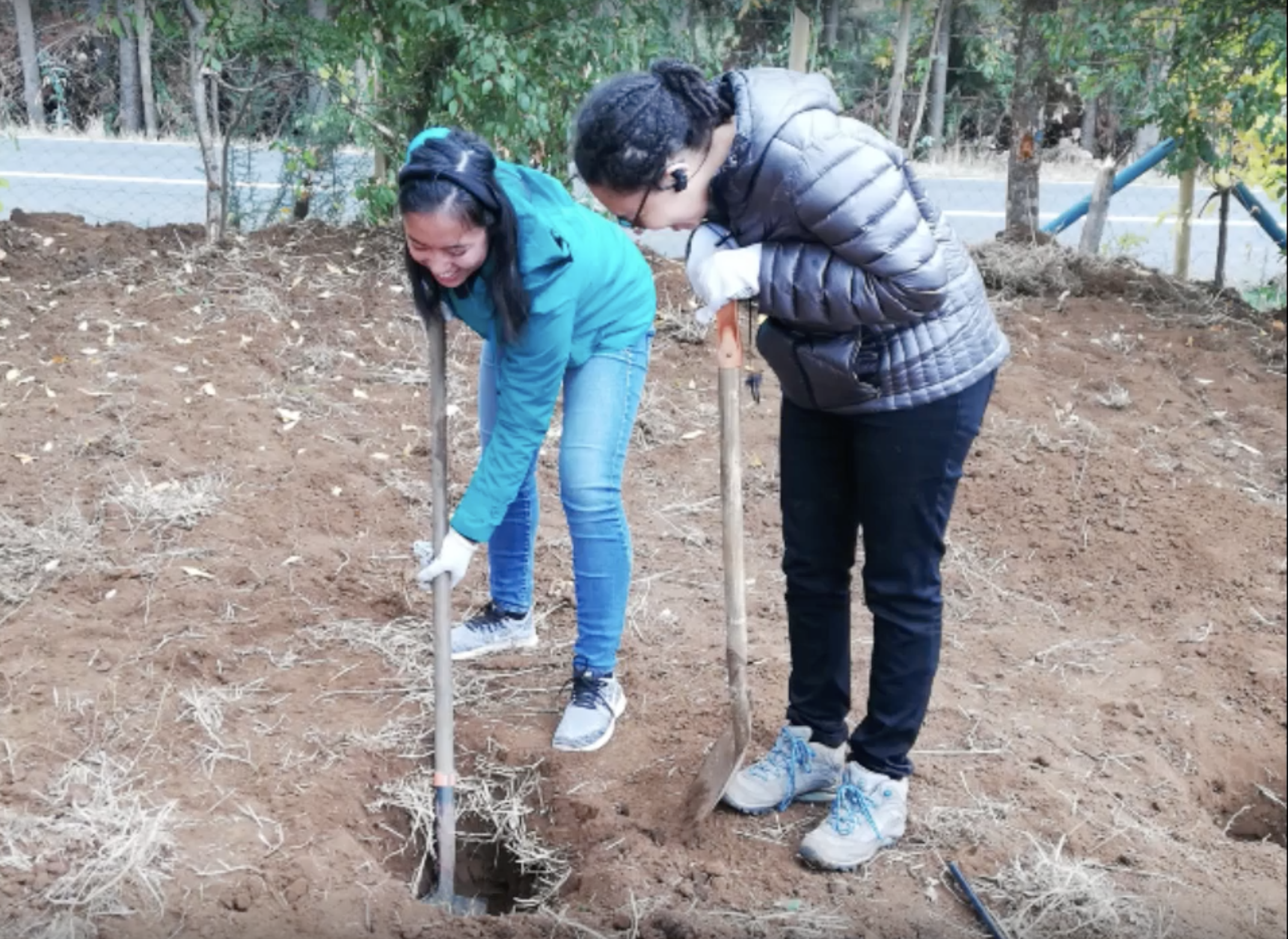
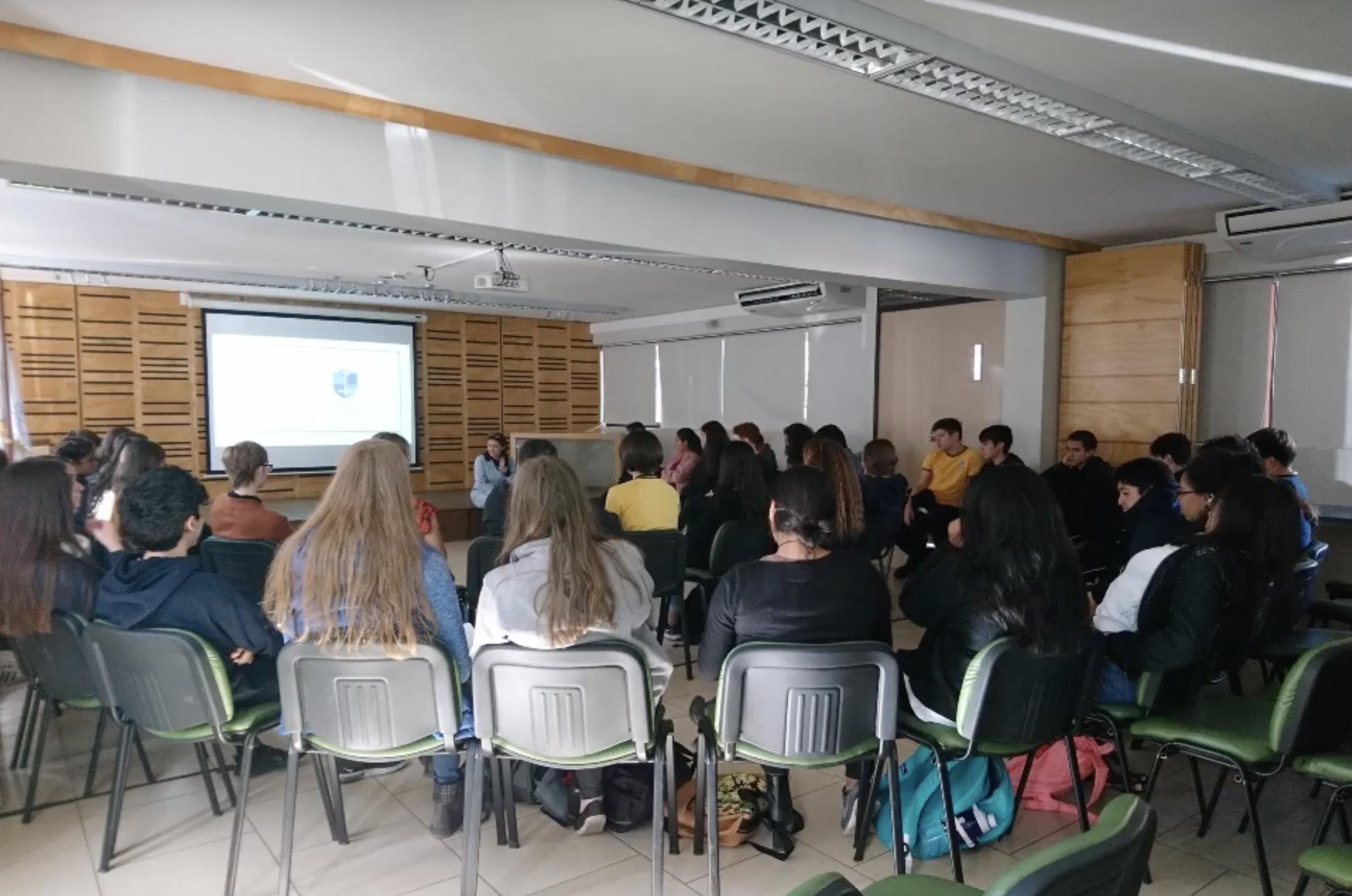
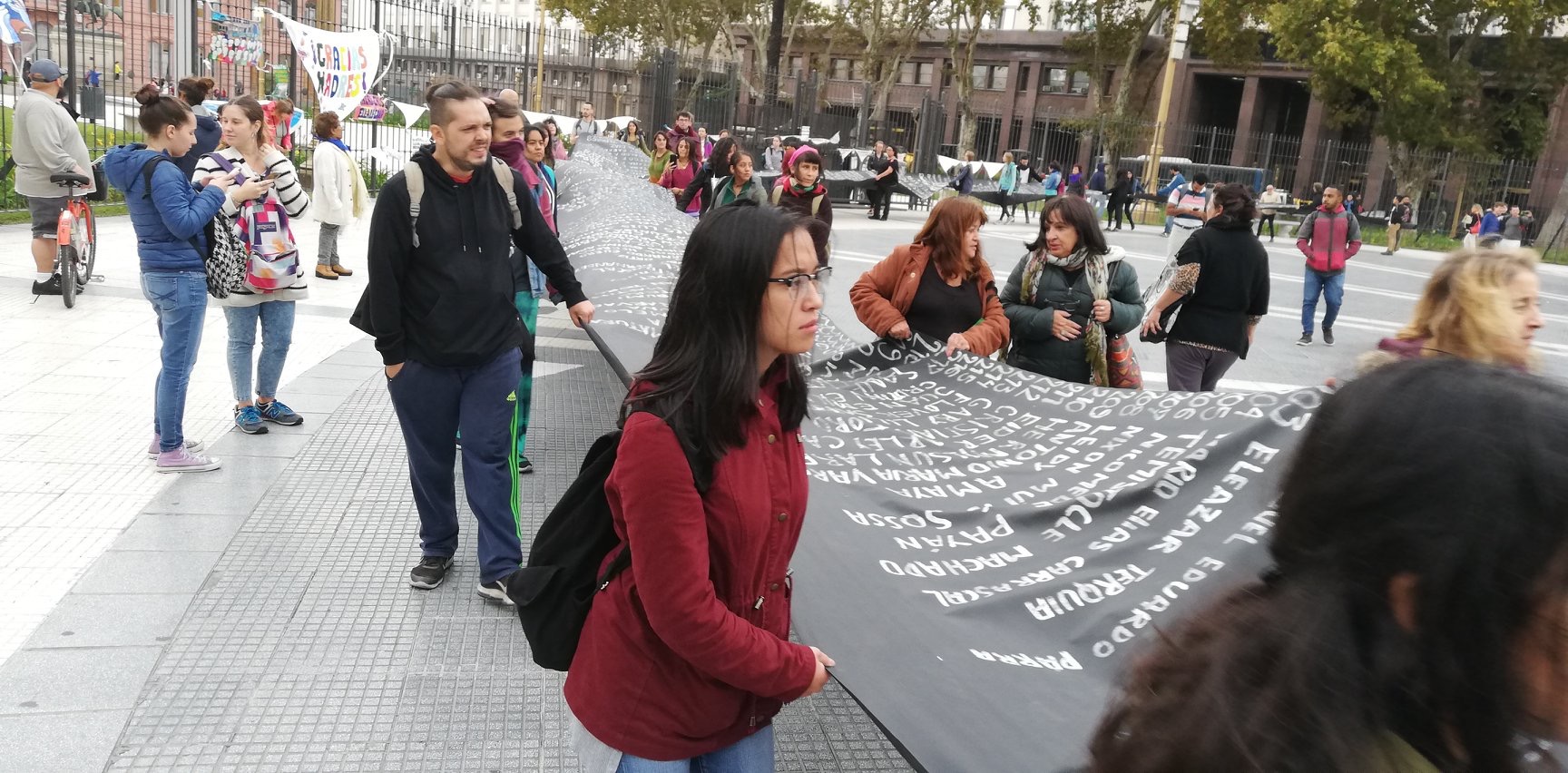
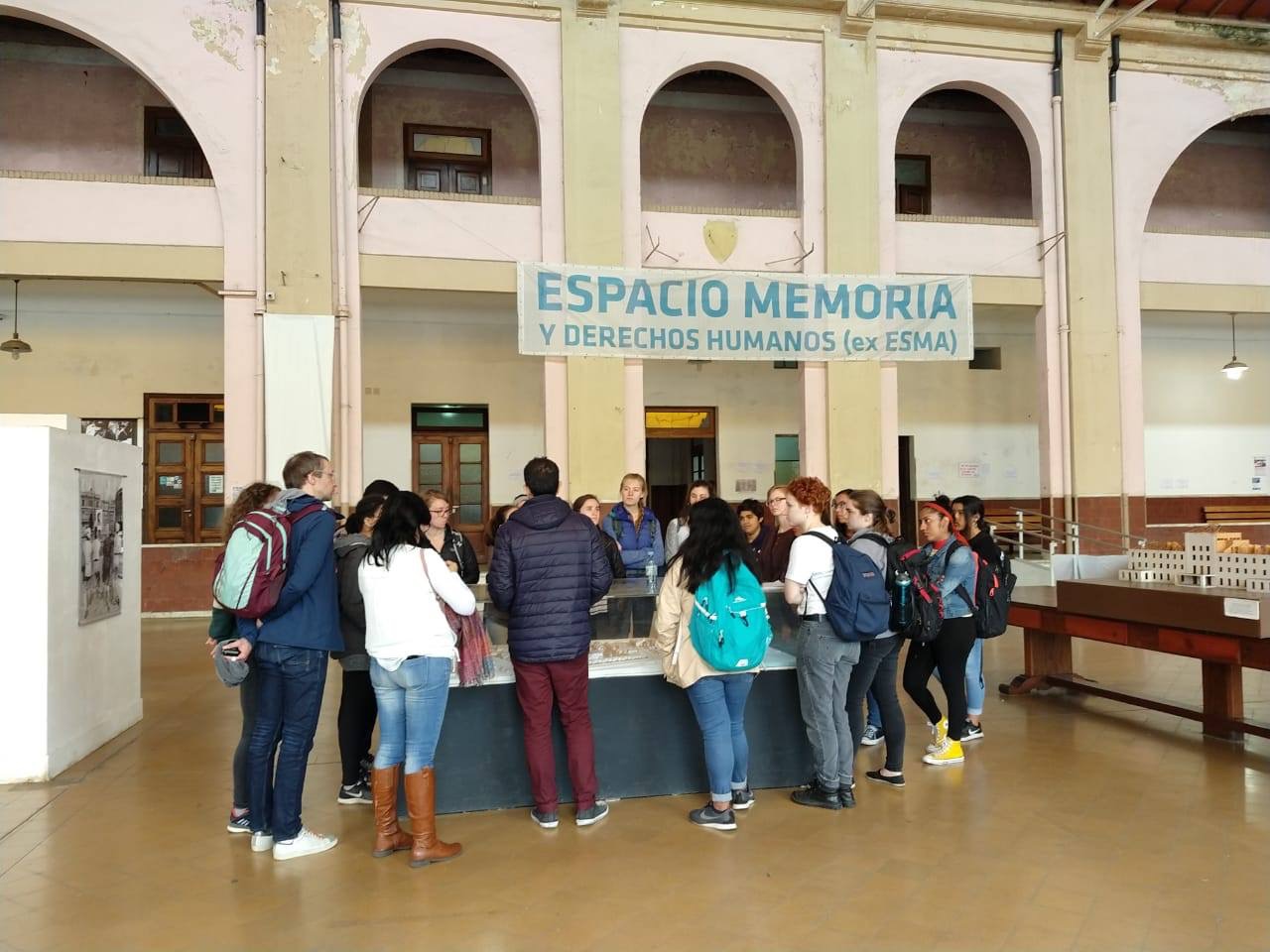
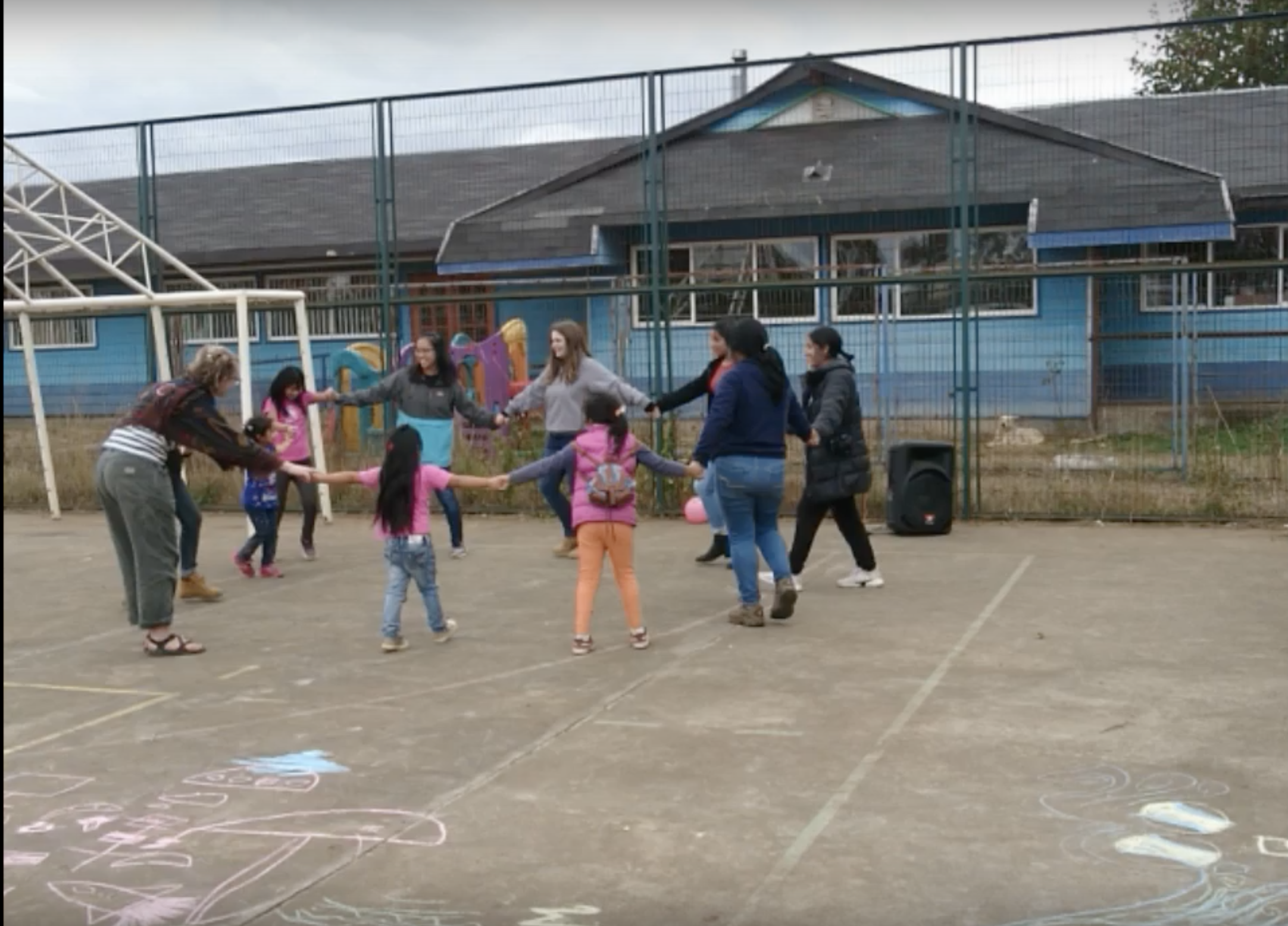
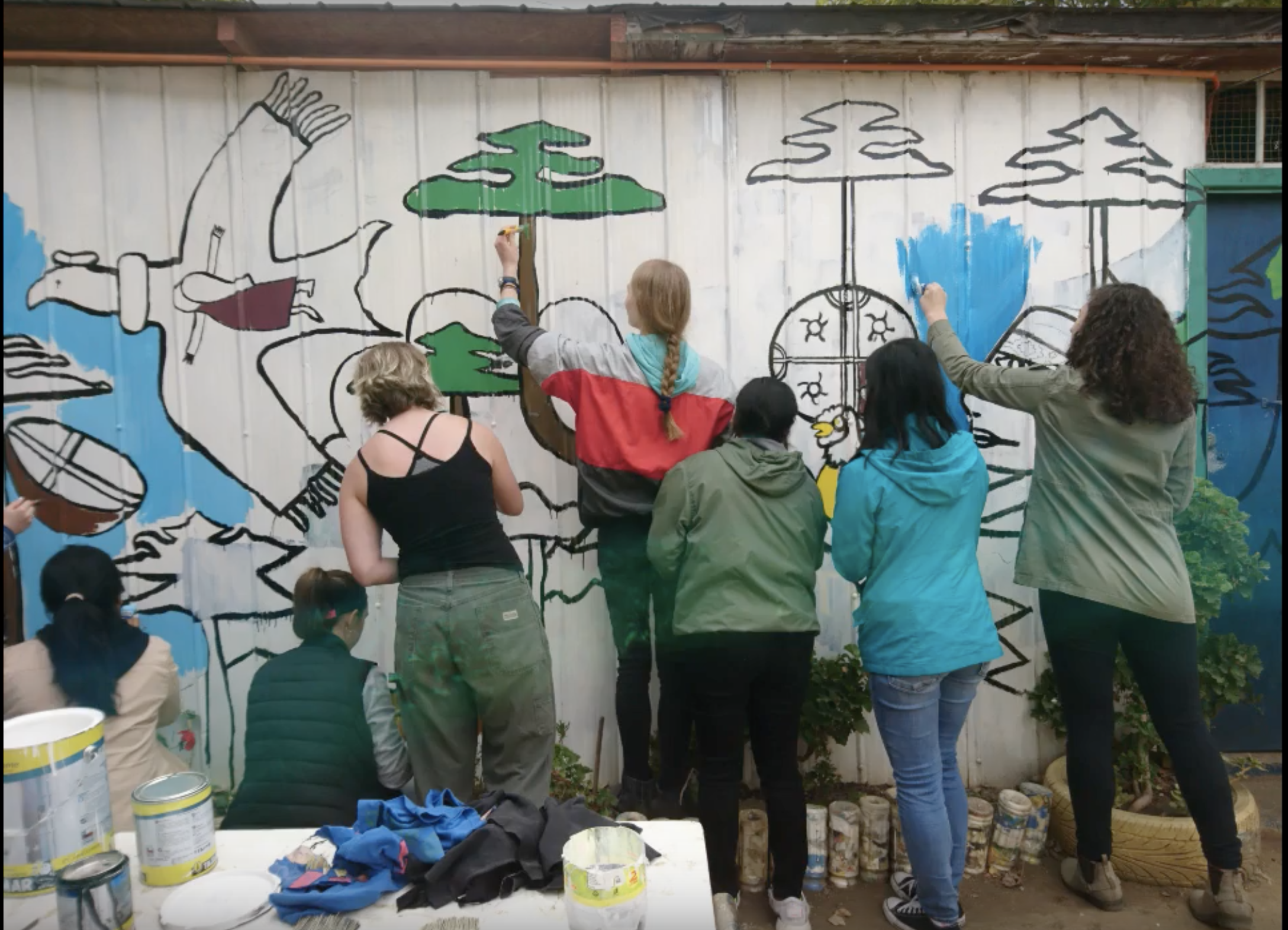
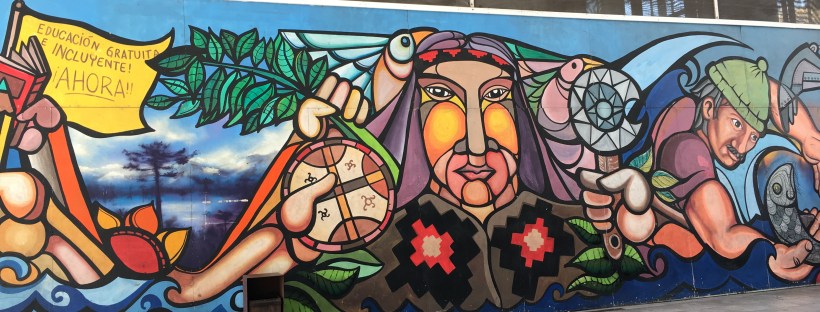
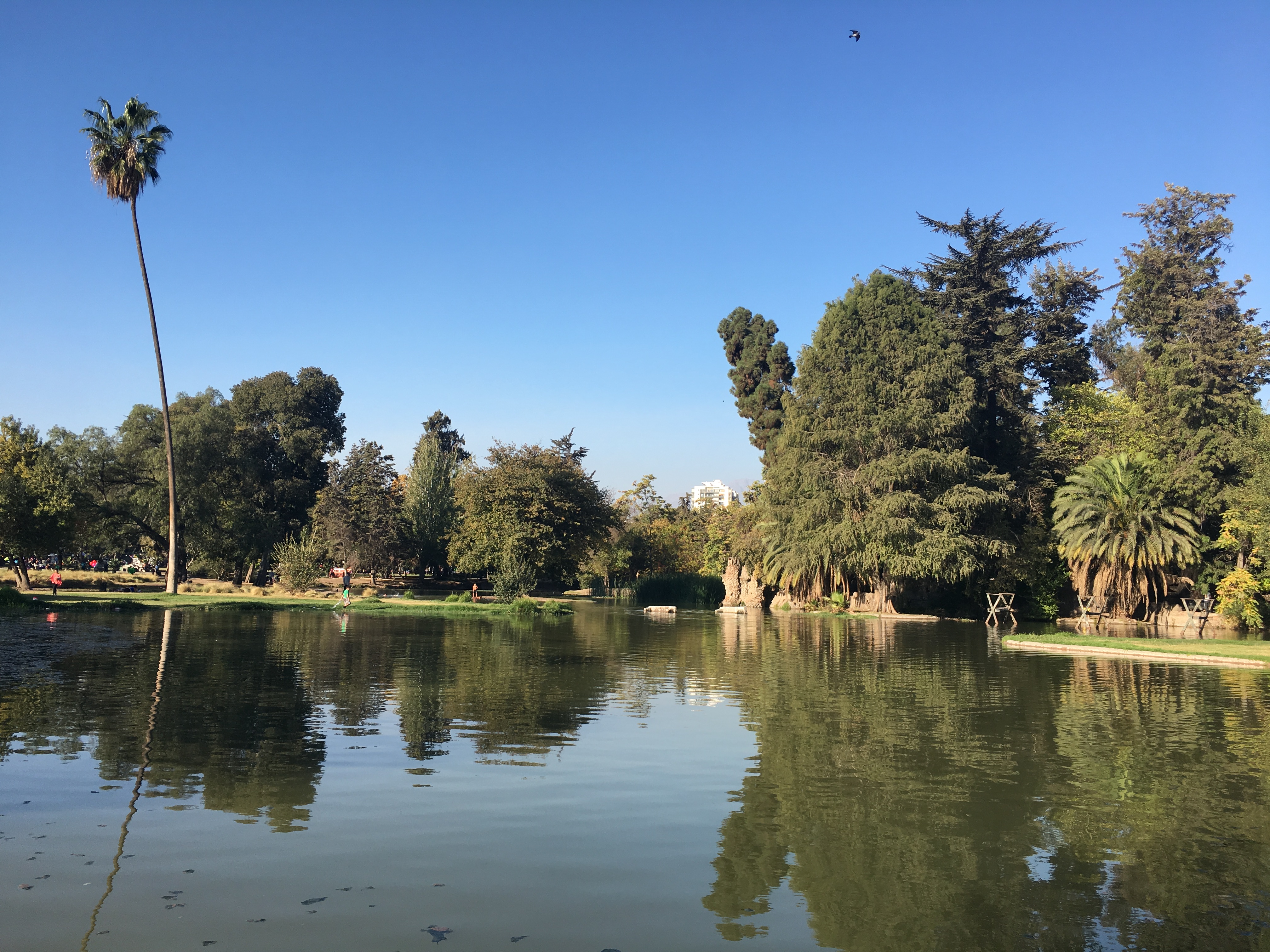
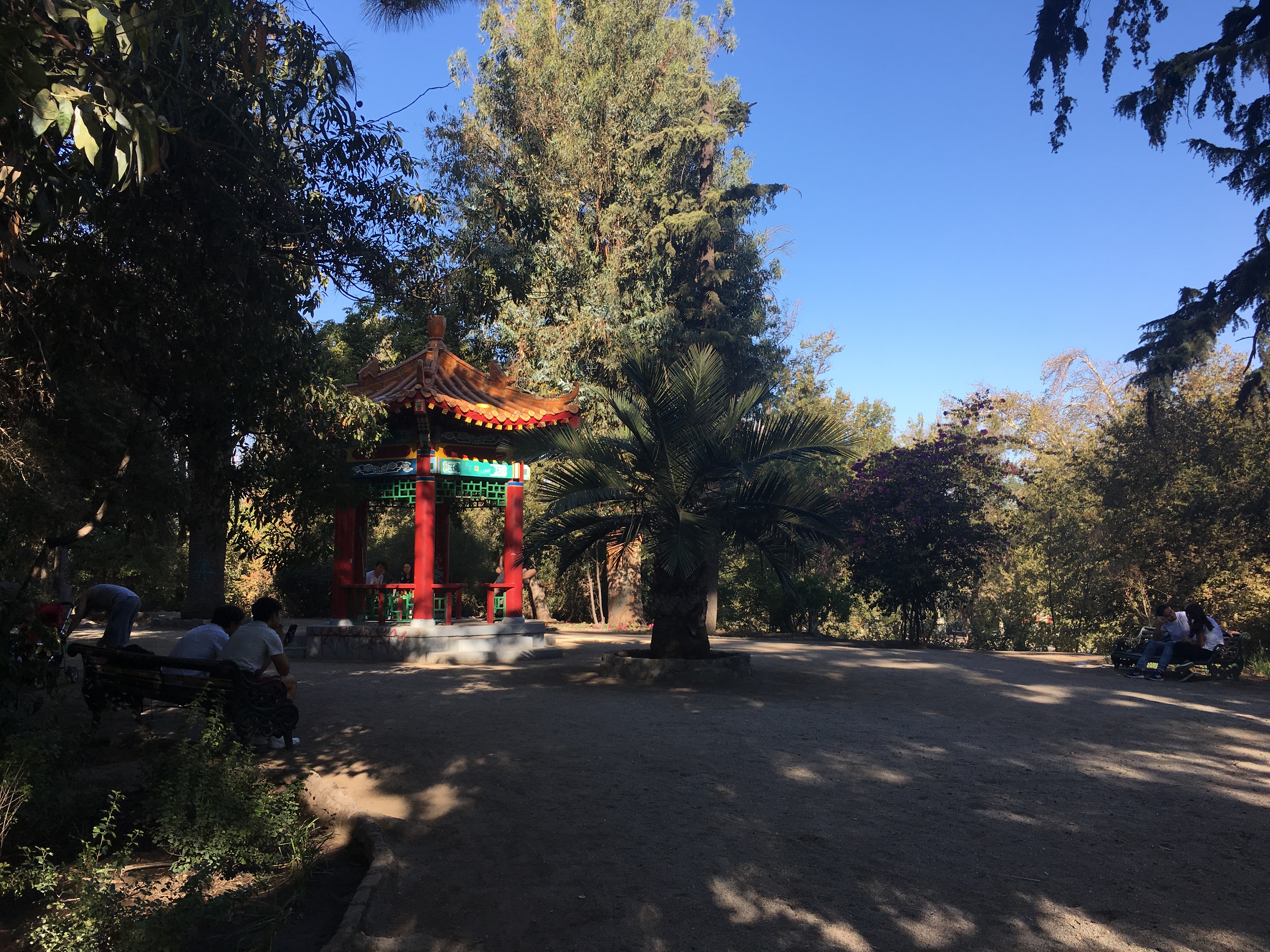
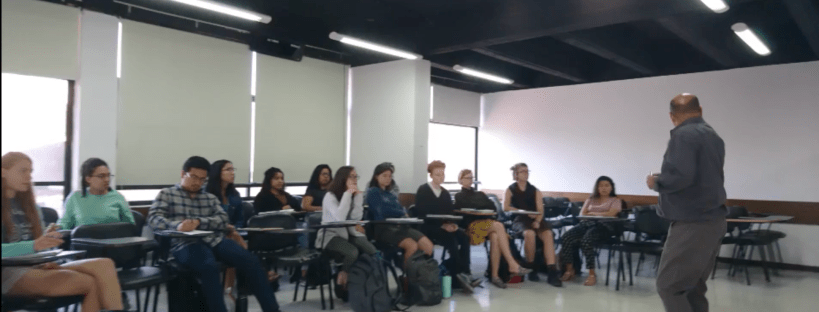
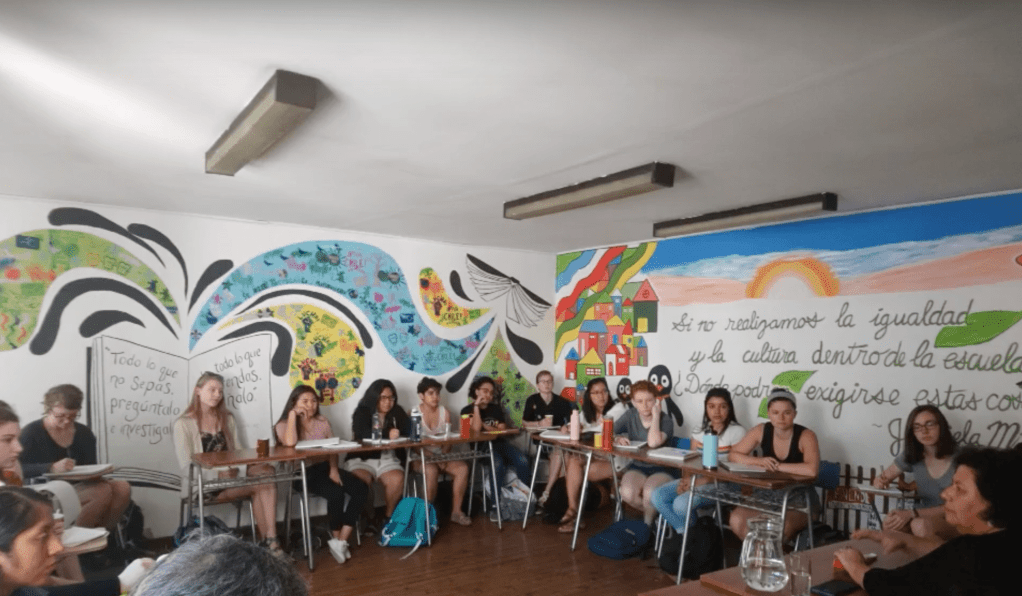
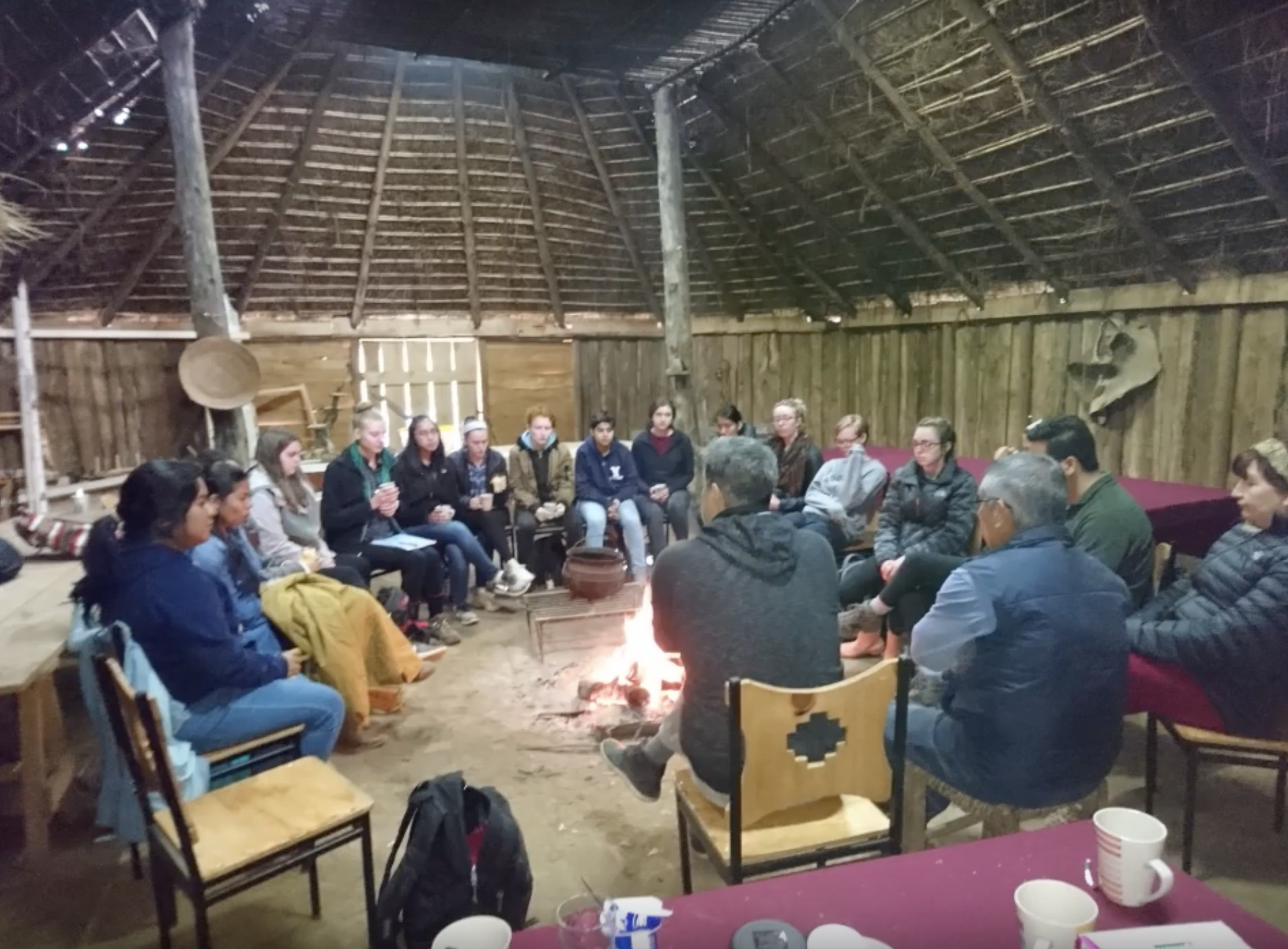
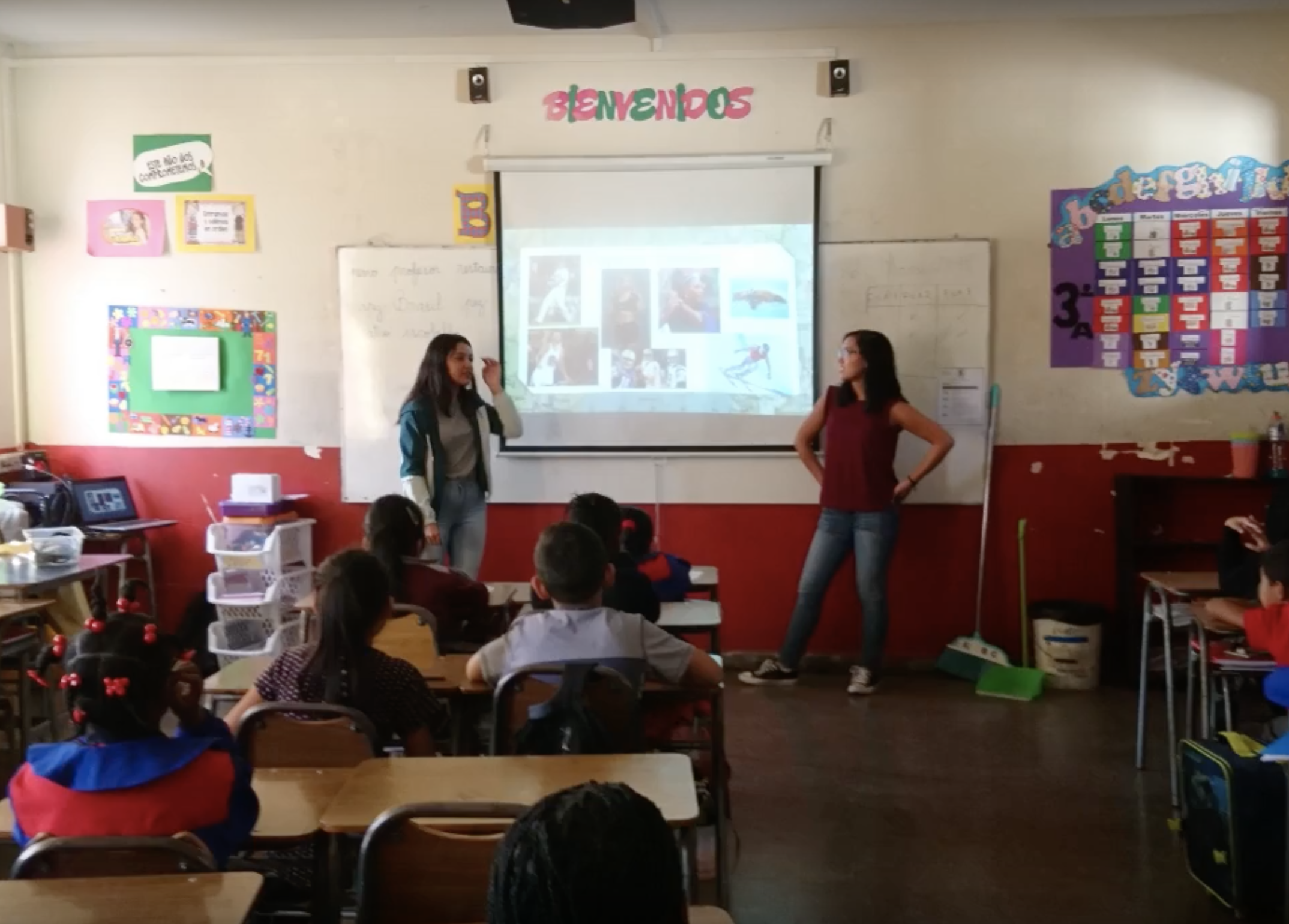
FACT: Study abroad is NOT a vacation! Living in a foreign country with practically strangers at the beginning is hard enough, plus an academic load. The program I was with, SIT Comparative Education and Social Change, was intense with an emphasis on experiential learning. We visited tons of schools and took three excursions. The month of April I was living out of my suitcase with three different host families in each city. It was a rigorous schedule that at times felt like a 40-hour job between classes and school visits, in addition to papers and presentations throughout. The final phase of the program consisted of an Independent Study Project or Internship. My Independent Study Project researched the teaching of the Pinochet dictatorship through arts where I taught lessons in three different schools in Santiago and interviewed several professors. While I did have fun times and usually only post pictures on my social media from these fun times, I realize it can give off the illusion that study abroad is just a vacation – which can be very false! Check out SIT if you’re looking for an intensive, but very rewarding program!
Note: Thanks to our program directors who captured some great learning moments! Remember that learning takes place in a variety of ways and places!
Chile: Places to Visit

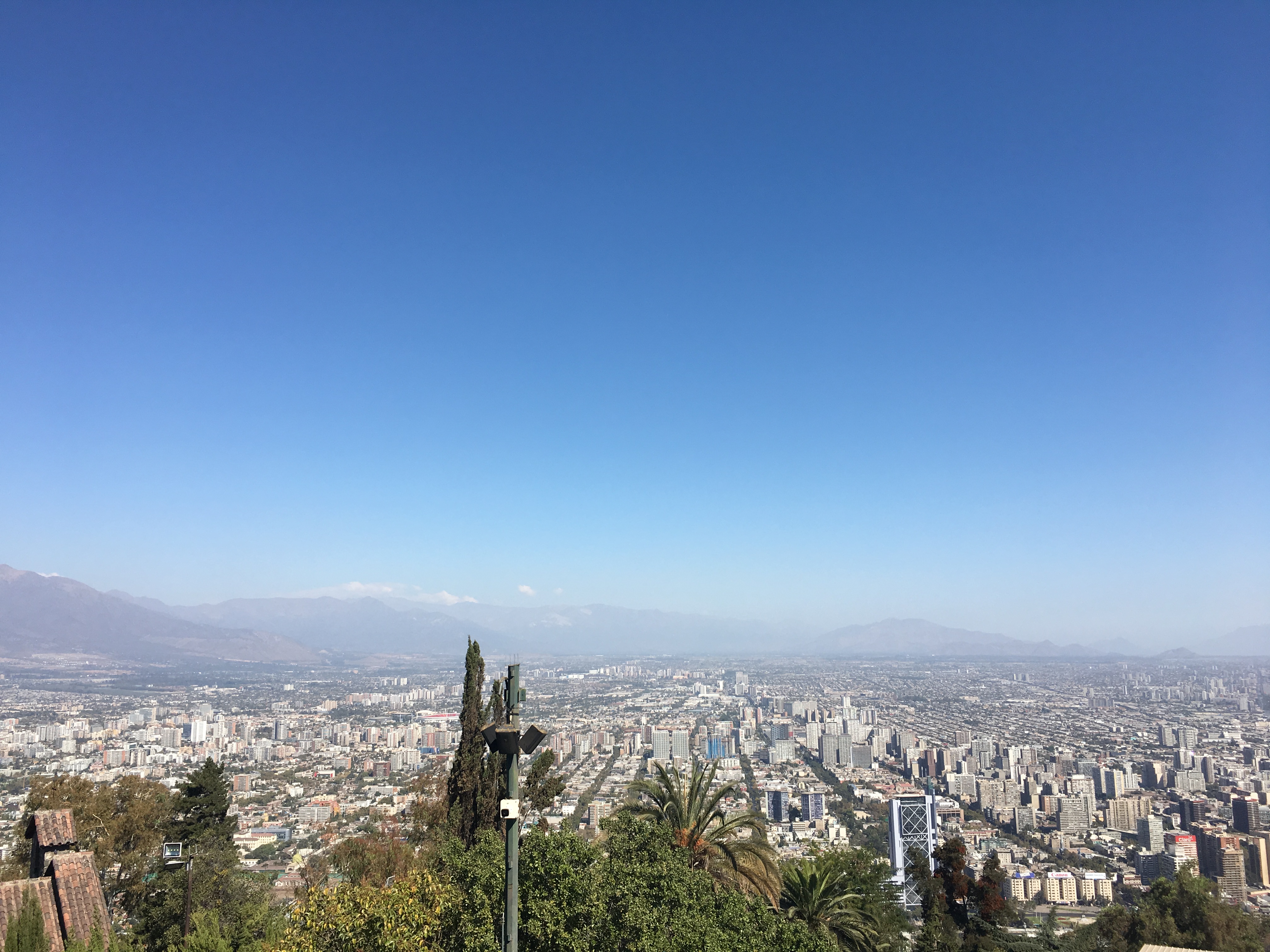
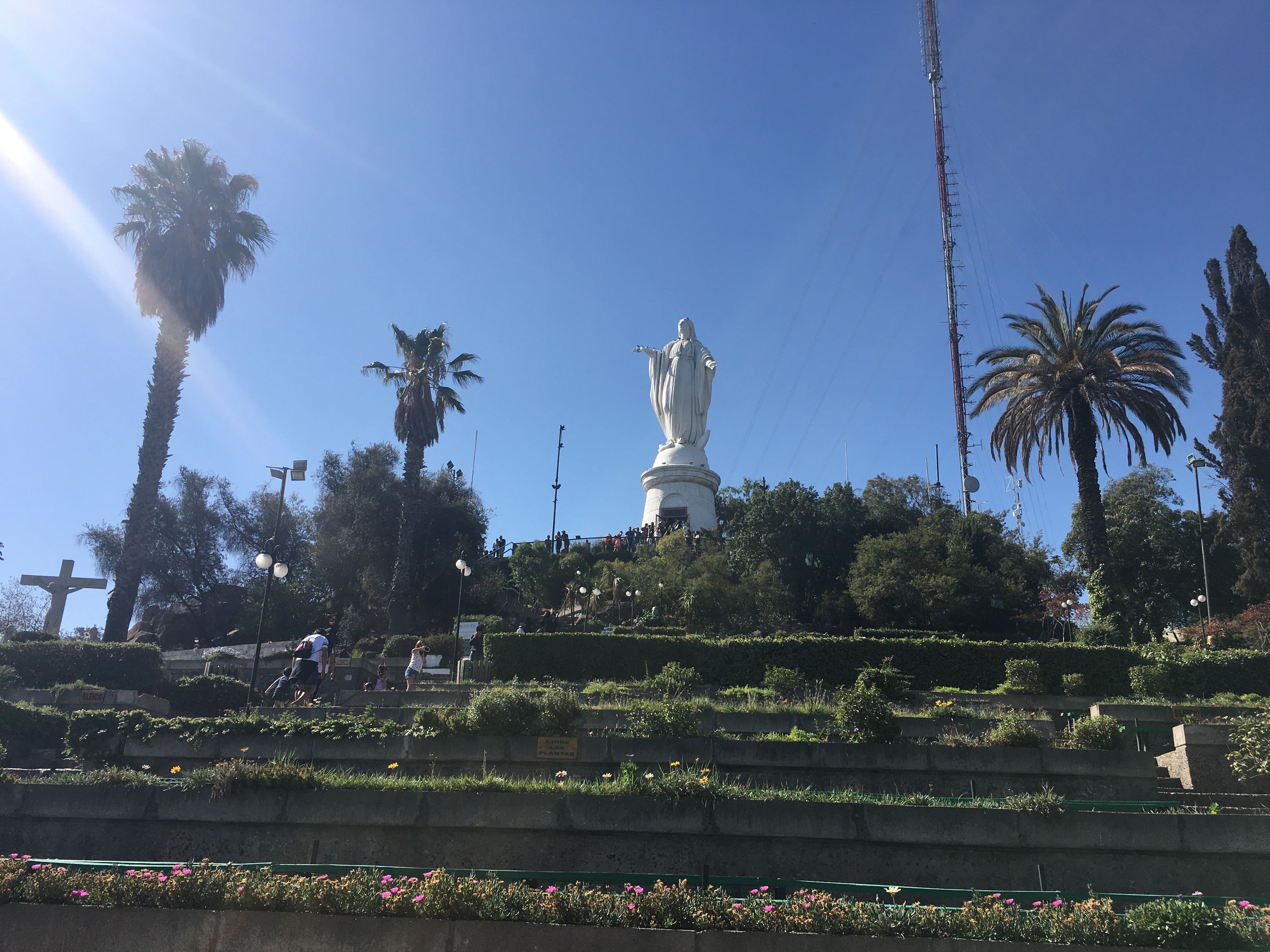
Cerro San Cristóbal 

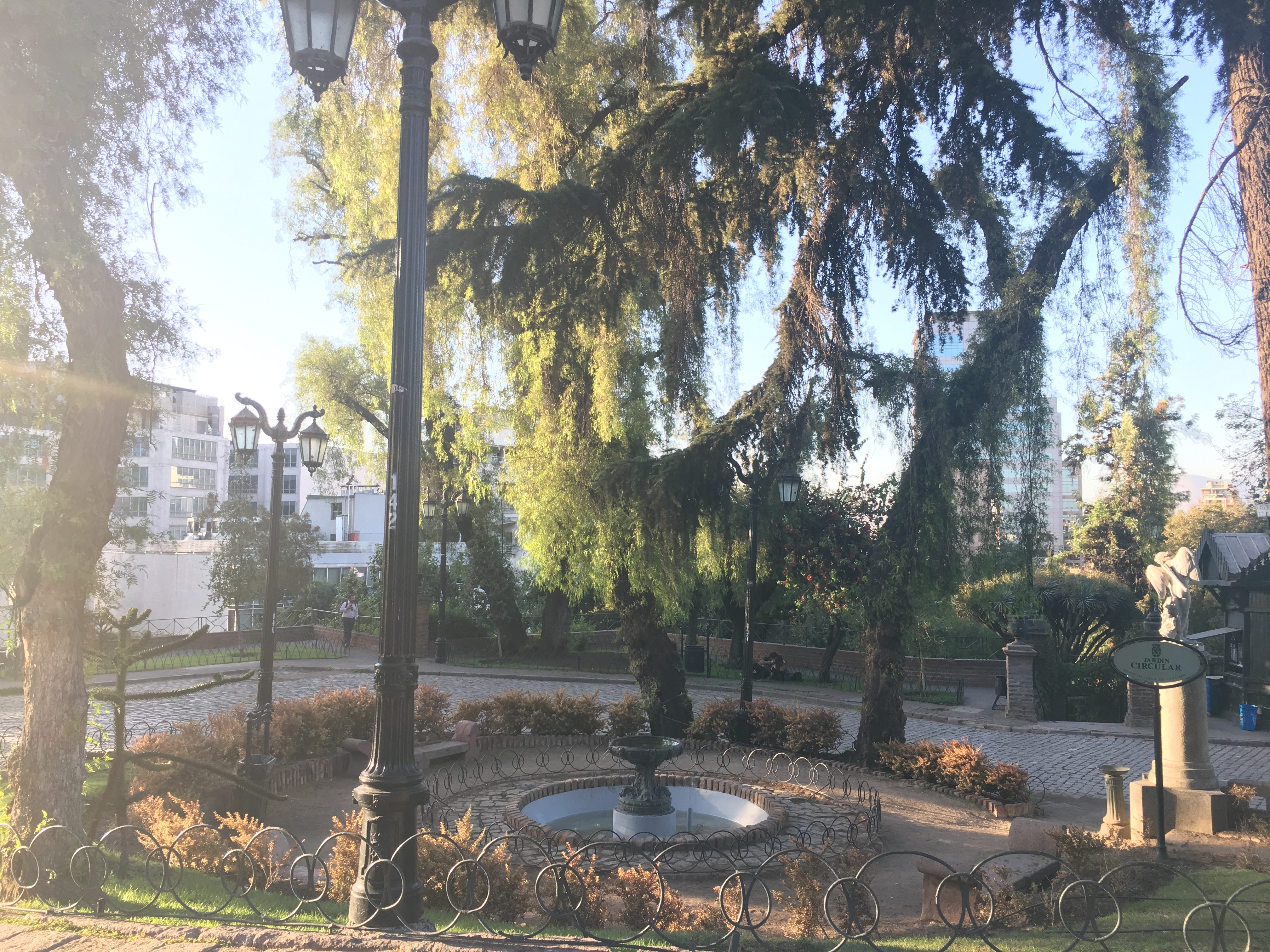
Cerro Santa Lucía 

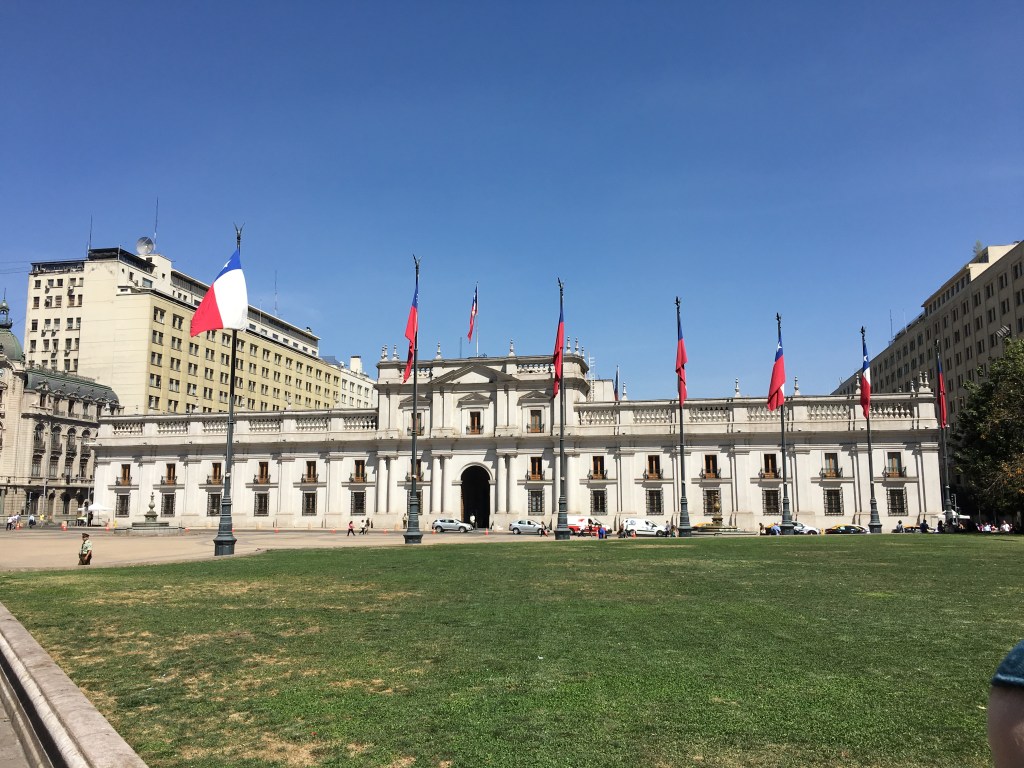
La Moneda 

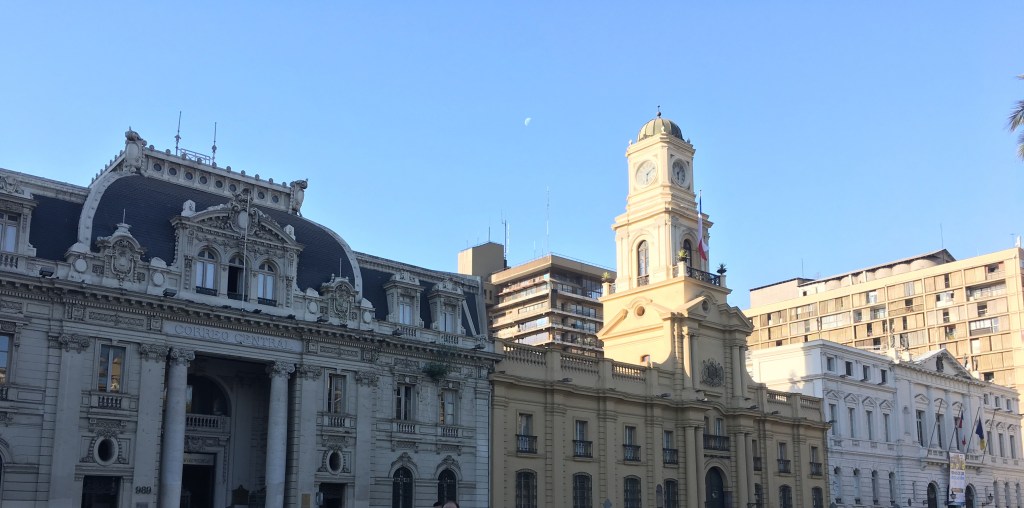
Plaza de Armas

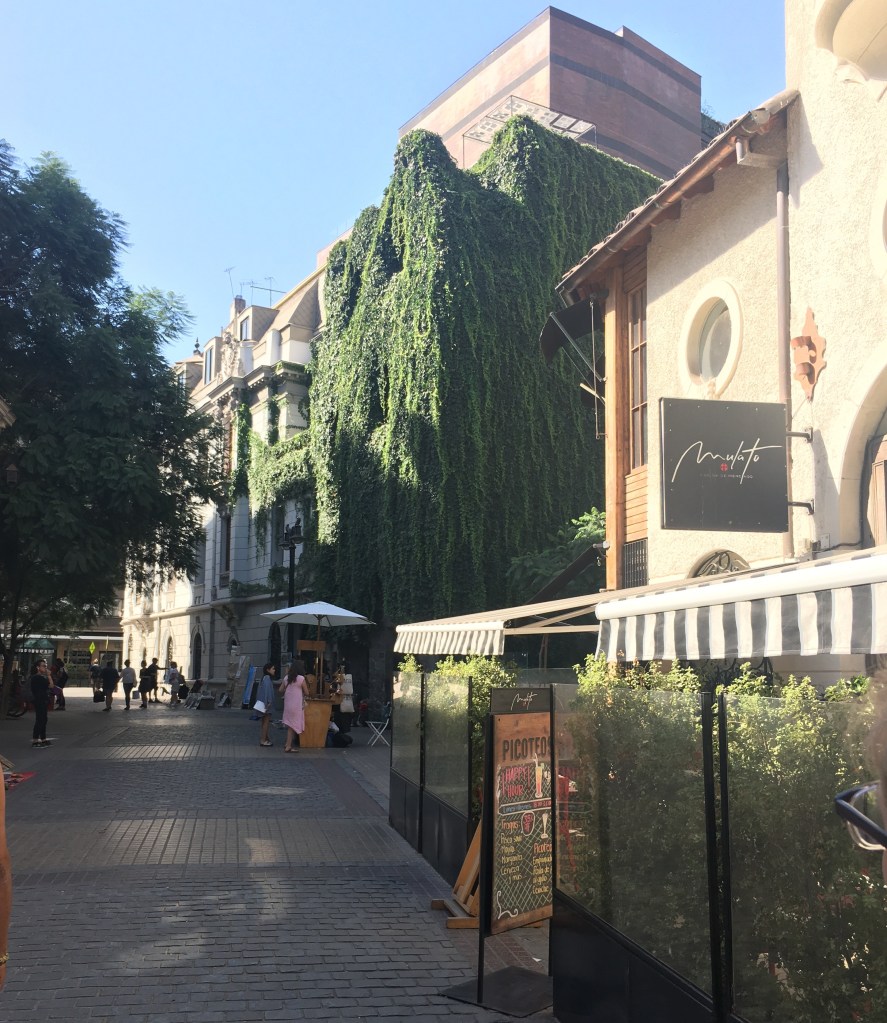
Barrio Lastarria (shops, restaurants, cafes, cultural centers)

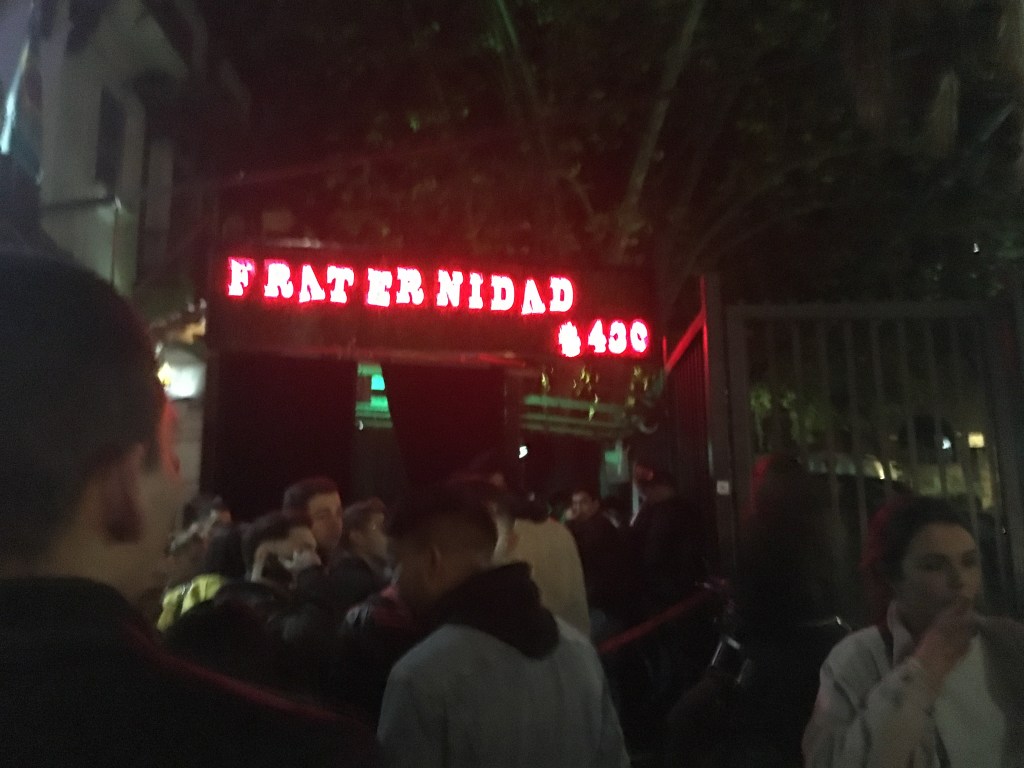
Barrio Bellavista (restaurants, boutiques, bars, clubs)

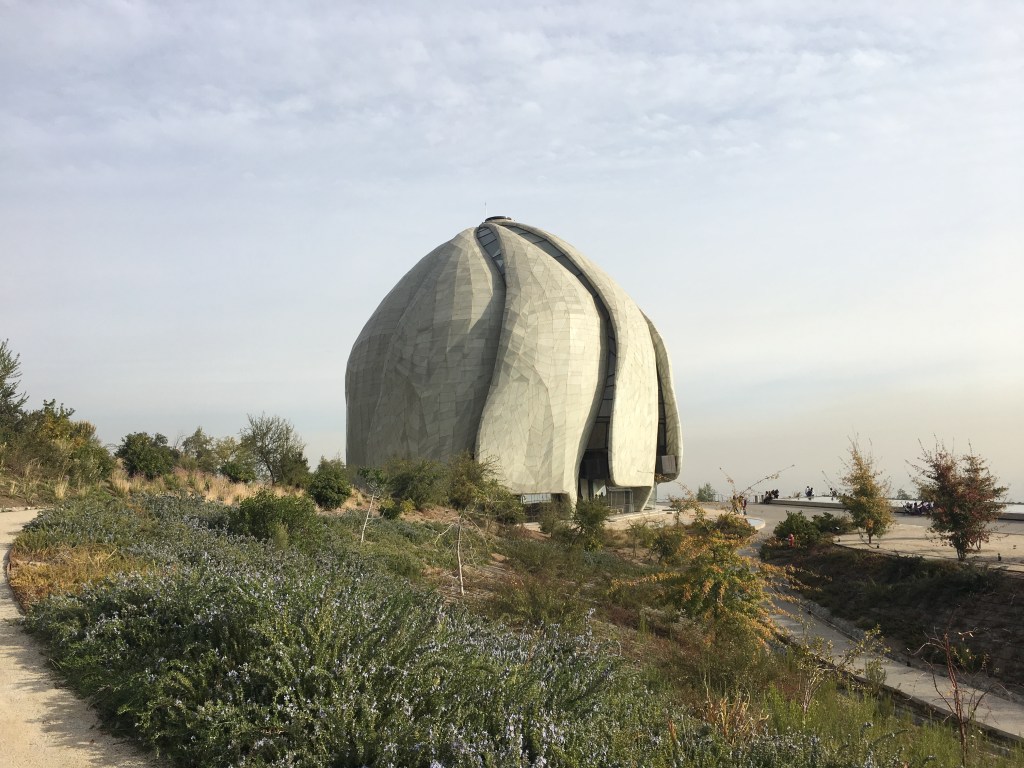
El Templo Bahá’í

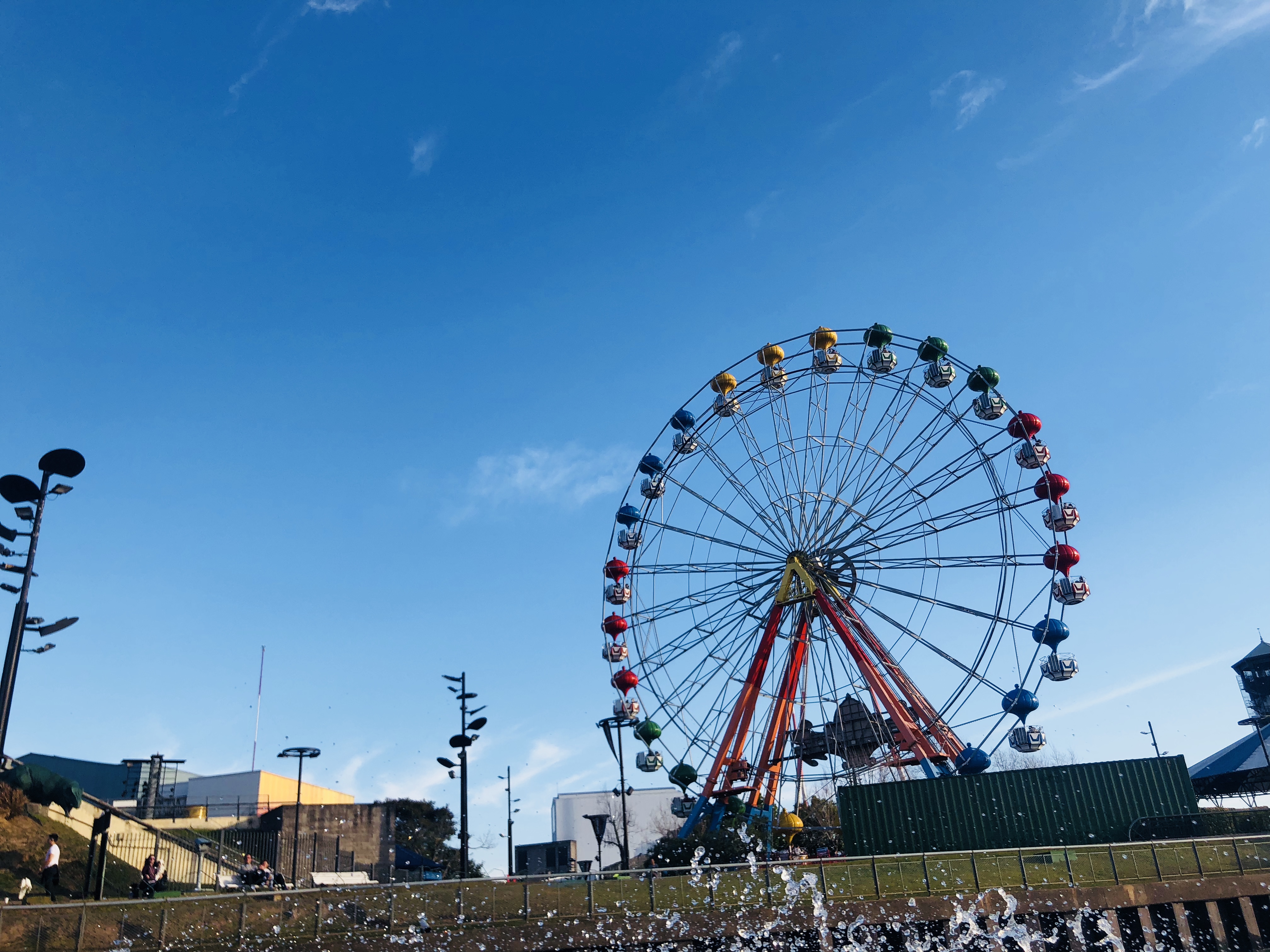
Fantansilandia, amusement park

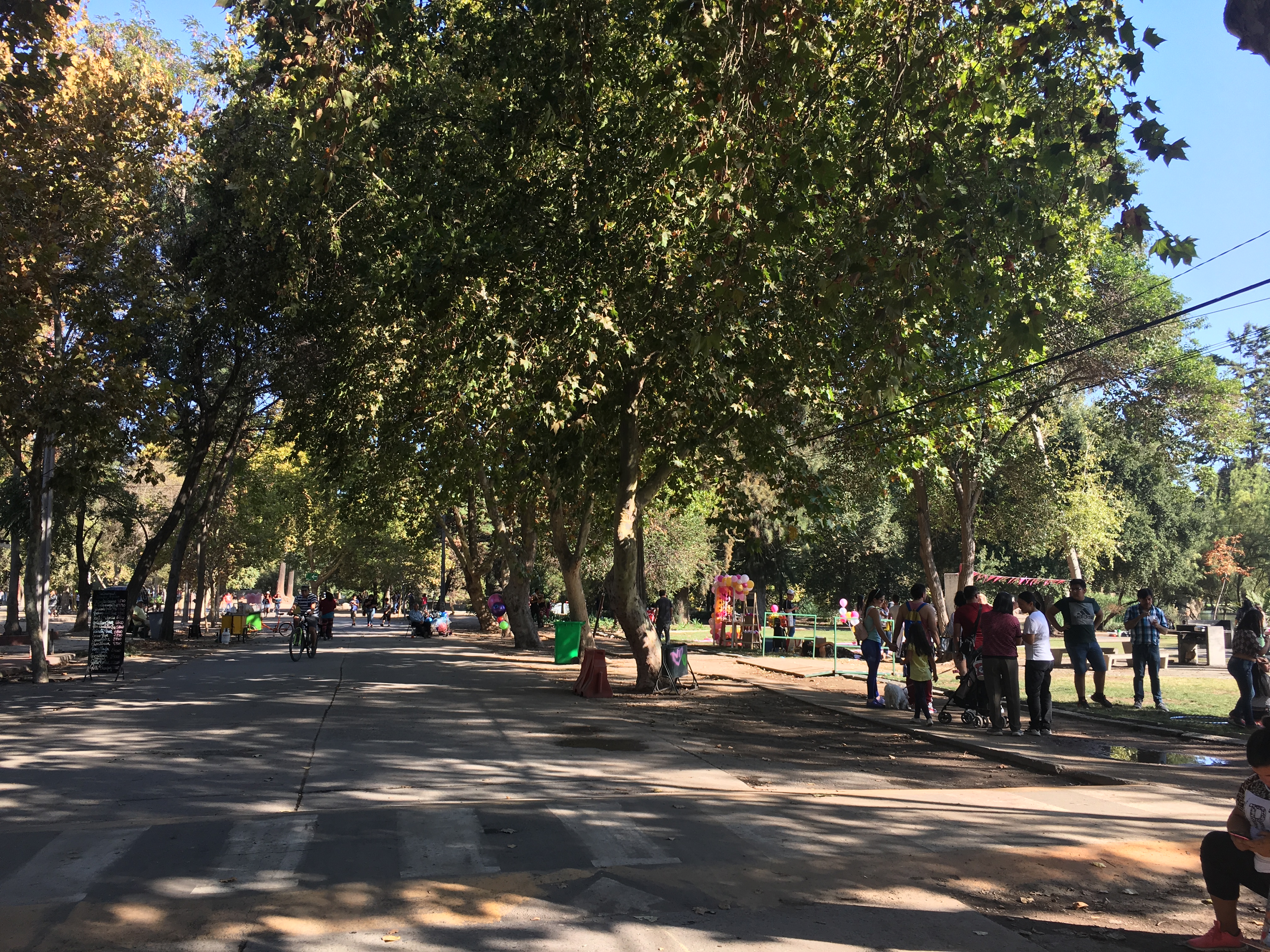
Parque O’Higgins 

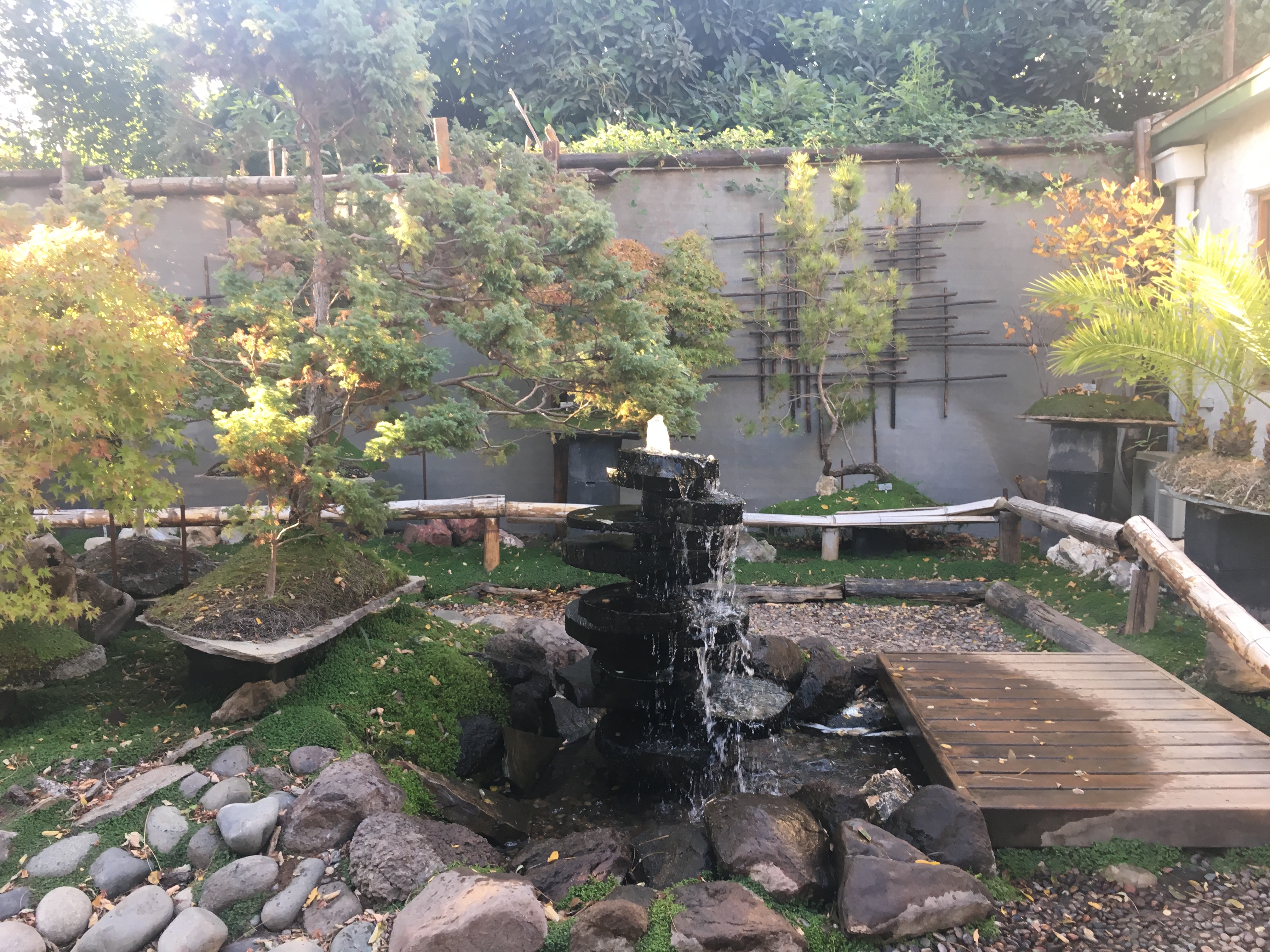
Feria de Los Dominicos (Pictured is a small garden space among the many rustic shops)

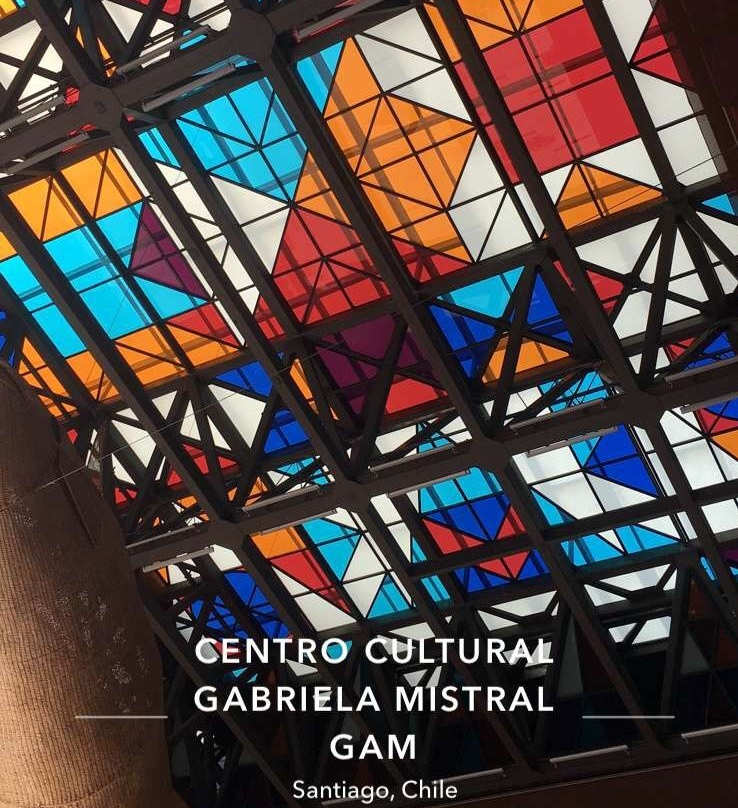
Centro Cultural Gabriela Mistral 

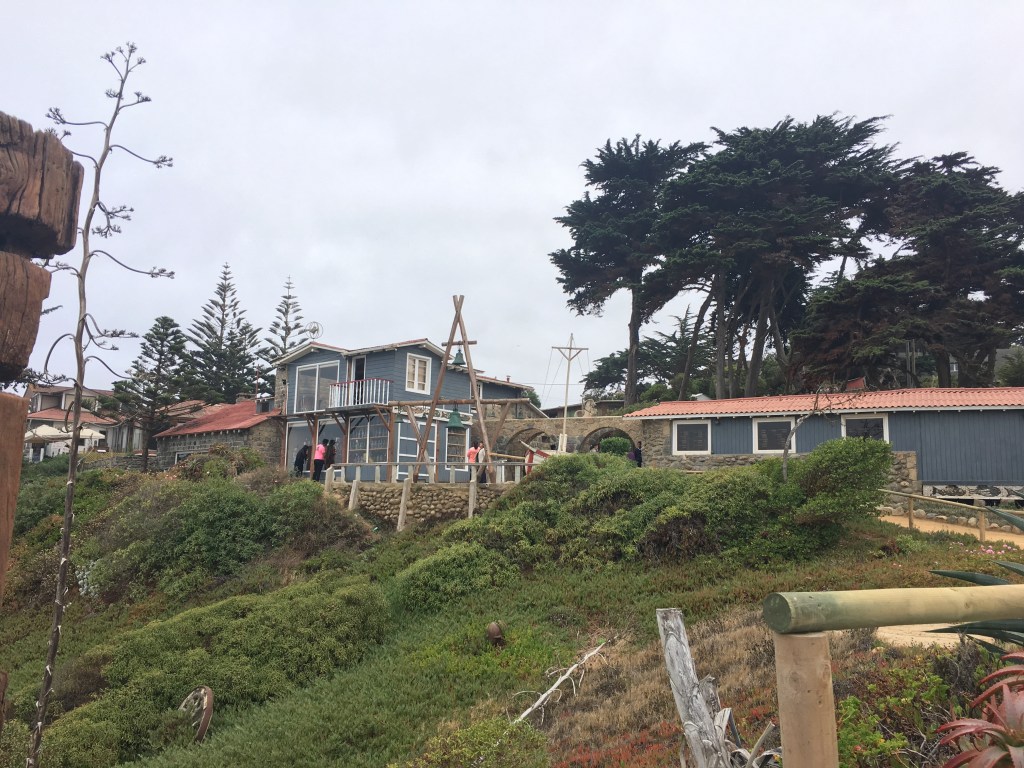
Pablo Neruda houses (There are three! Pictured below is his house located at Isla Negra)

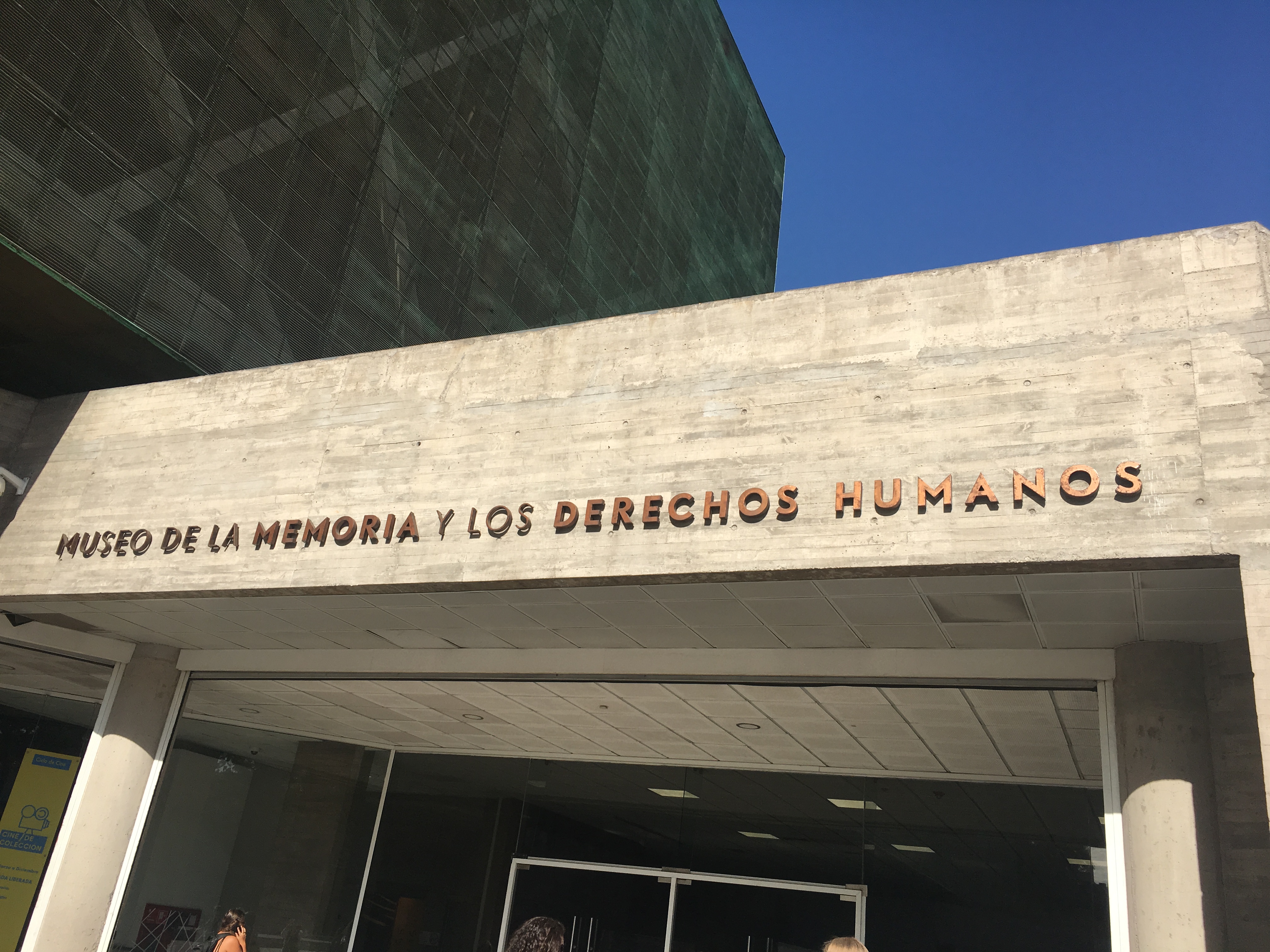
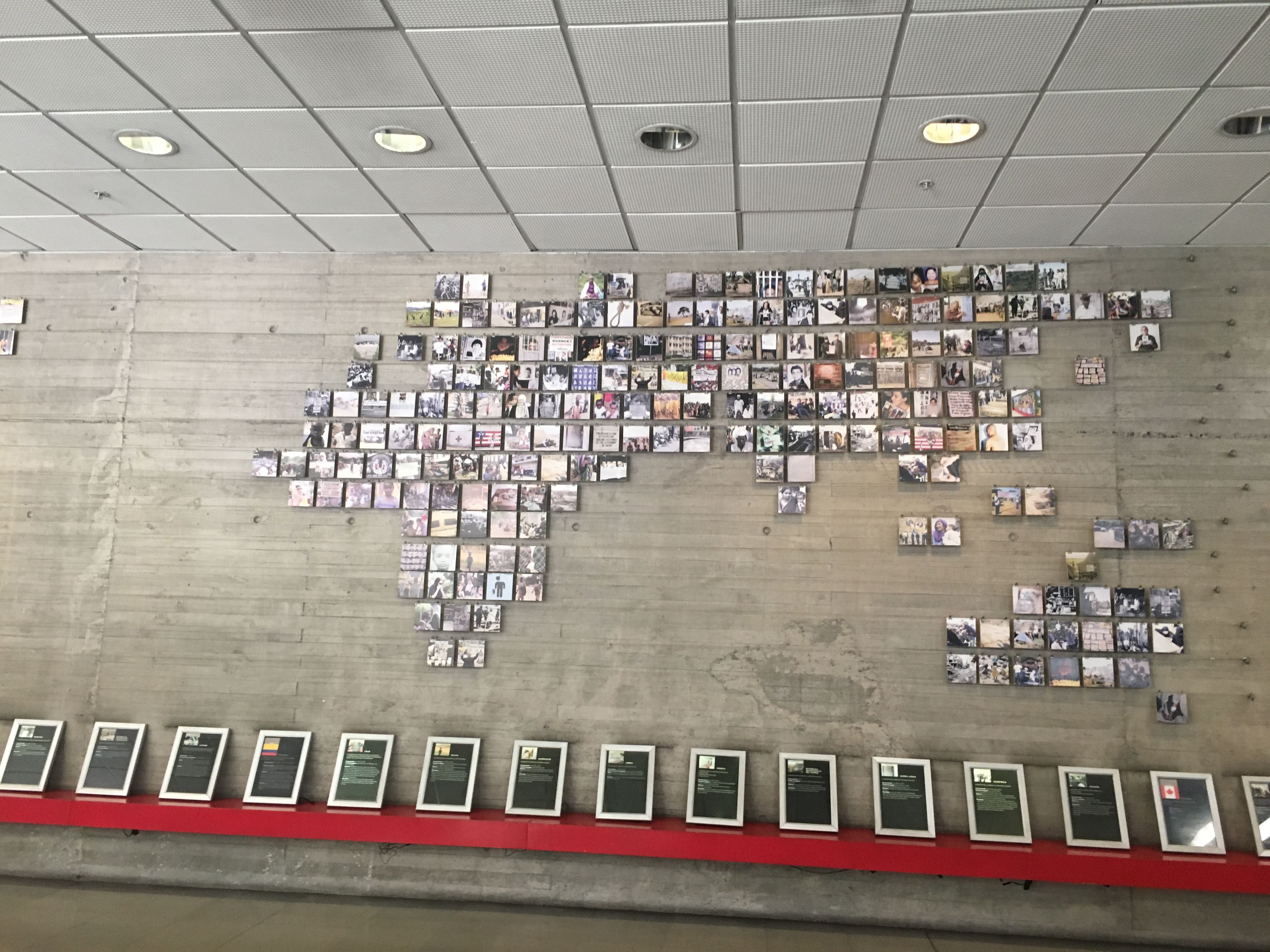
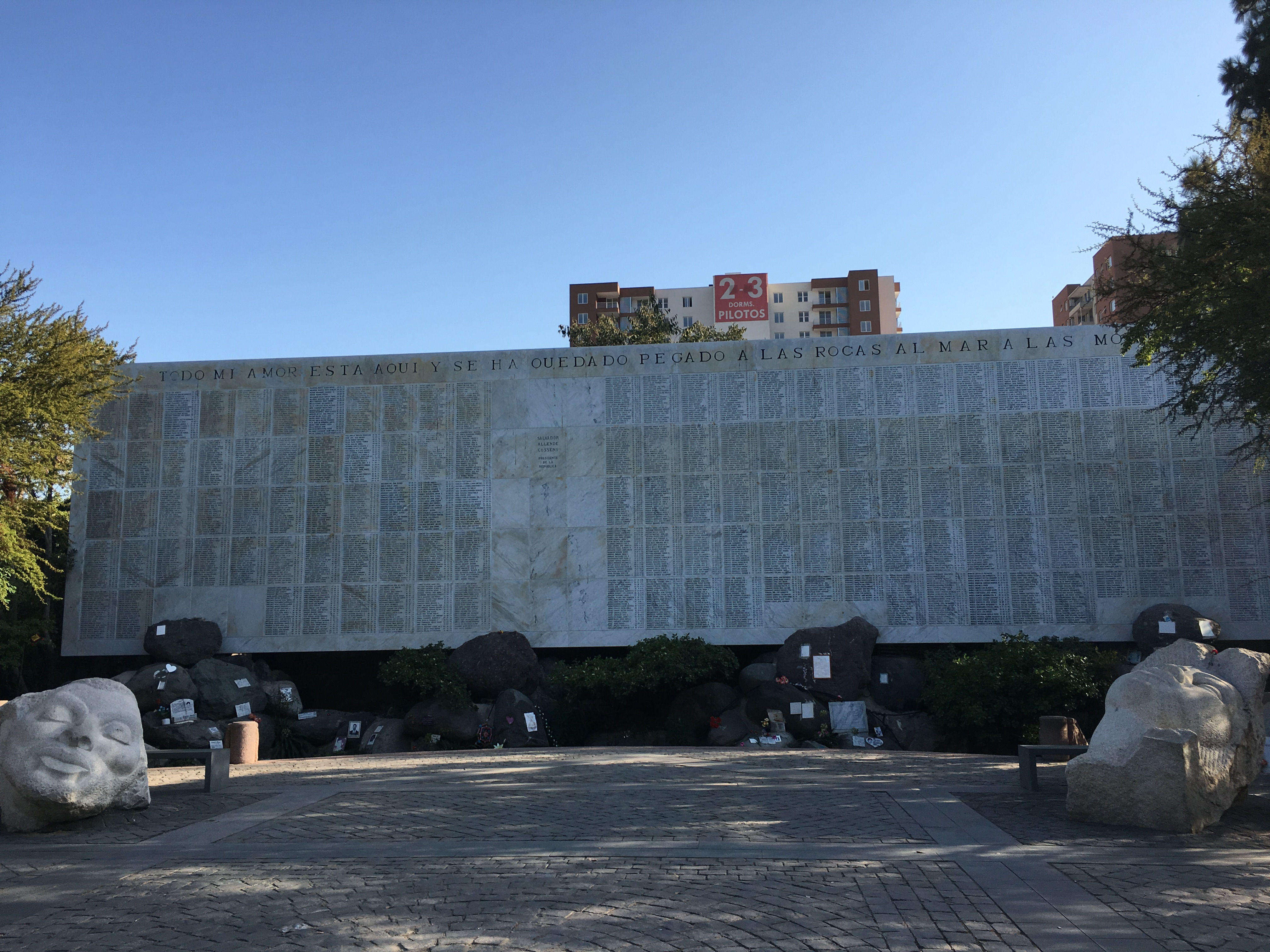
Museo de la Memoria y los Derechos Humanos 

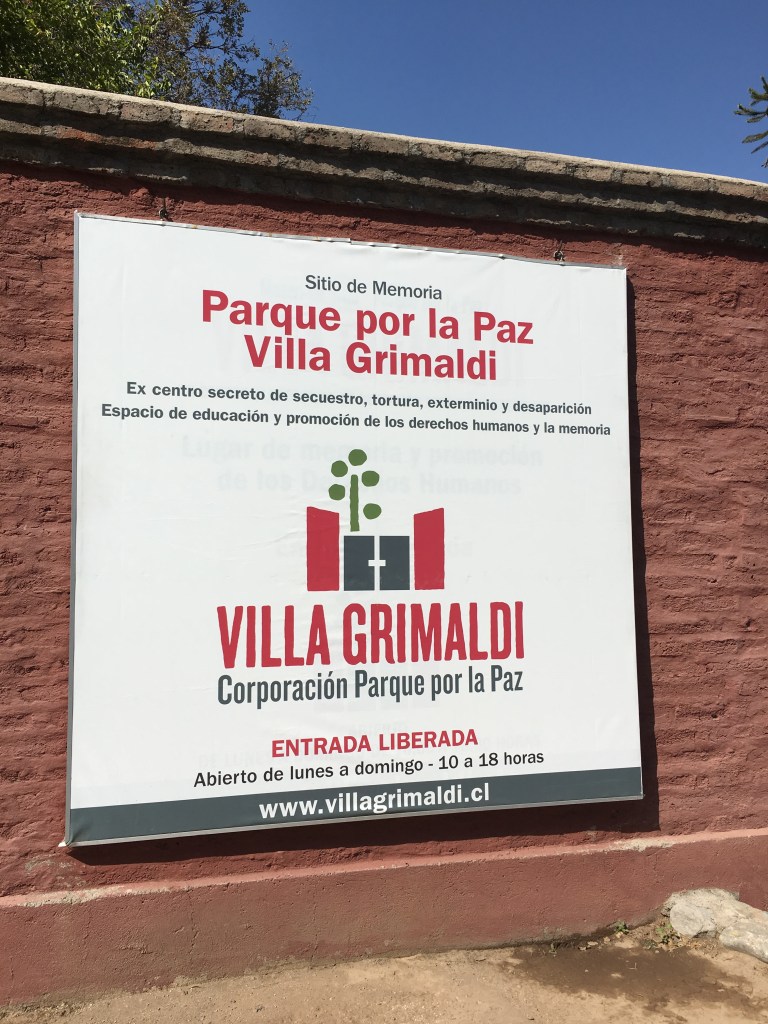
Villa Grimaldi 

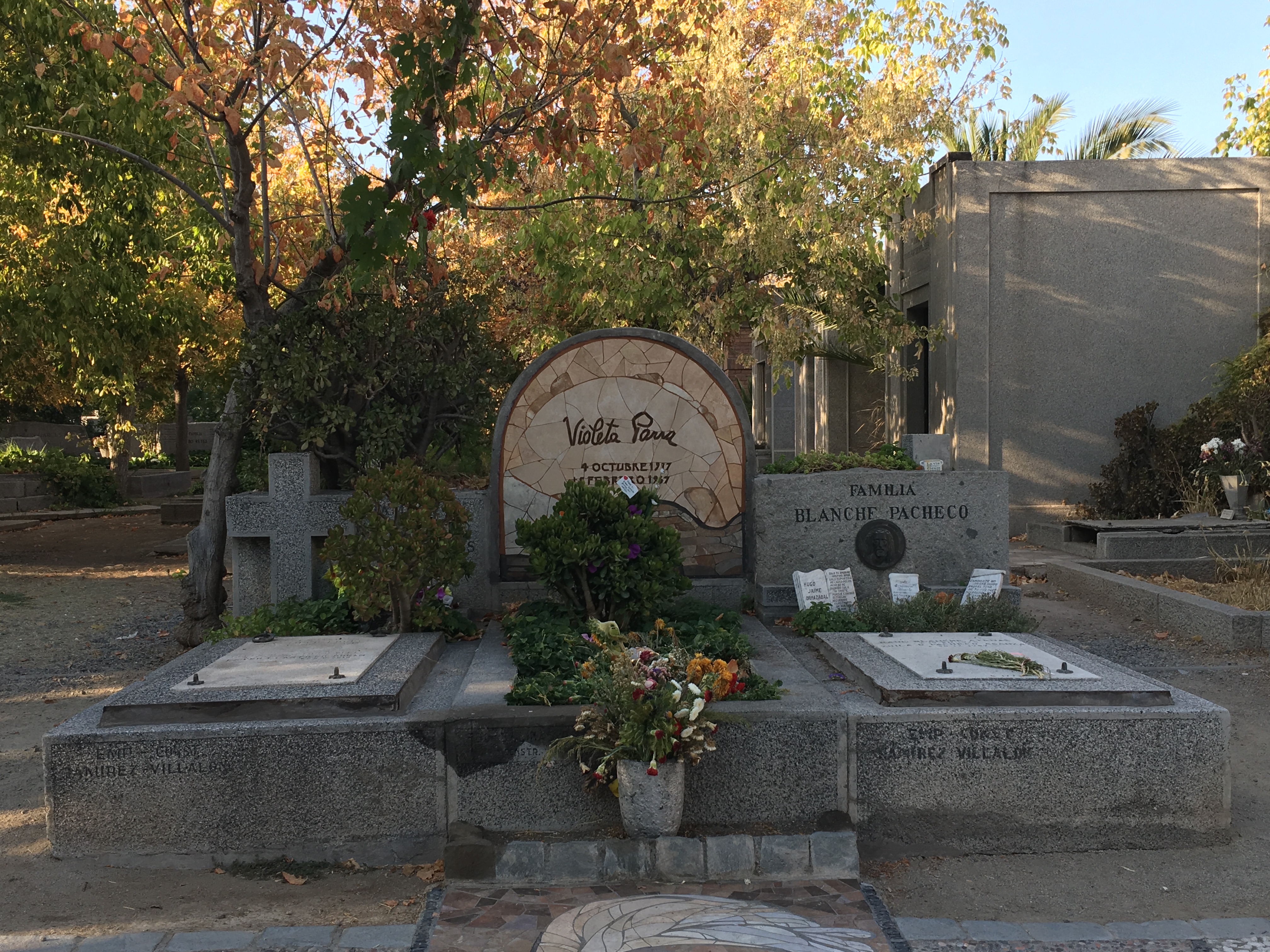
The Cementerio General de Santiago

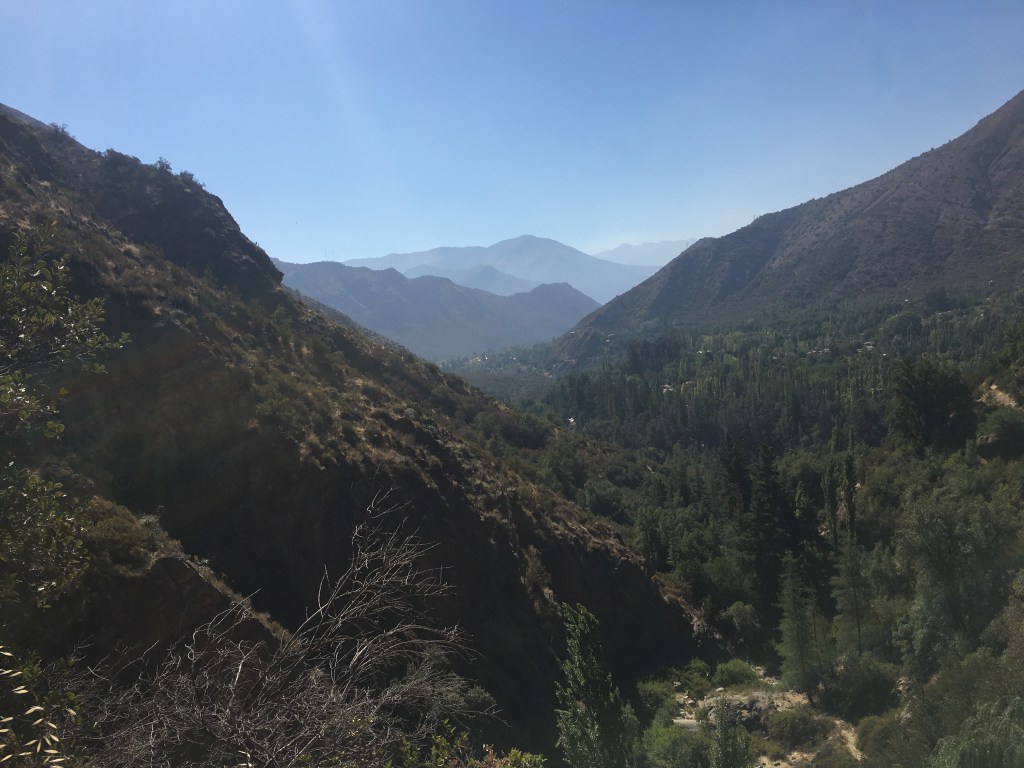
Cajón del Maipo (Hiking region towards the mountains just outside of Santiago)


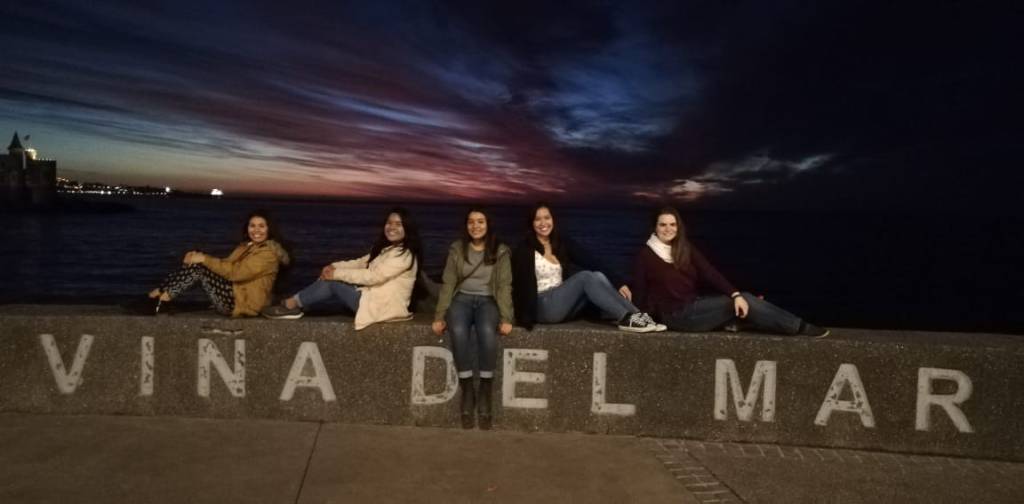
Places in Viña del mar (about an hour and a half from Santiago near the coast)

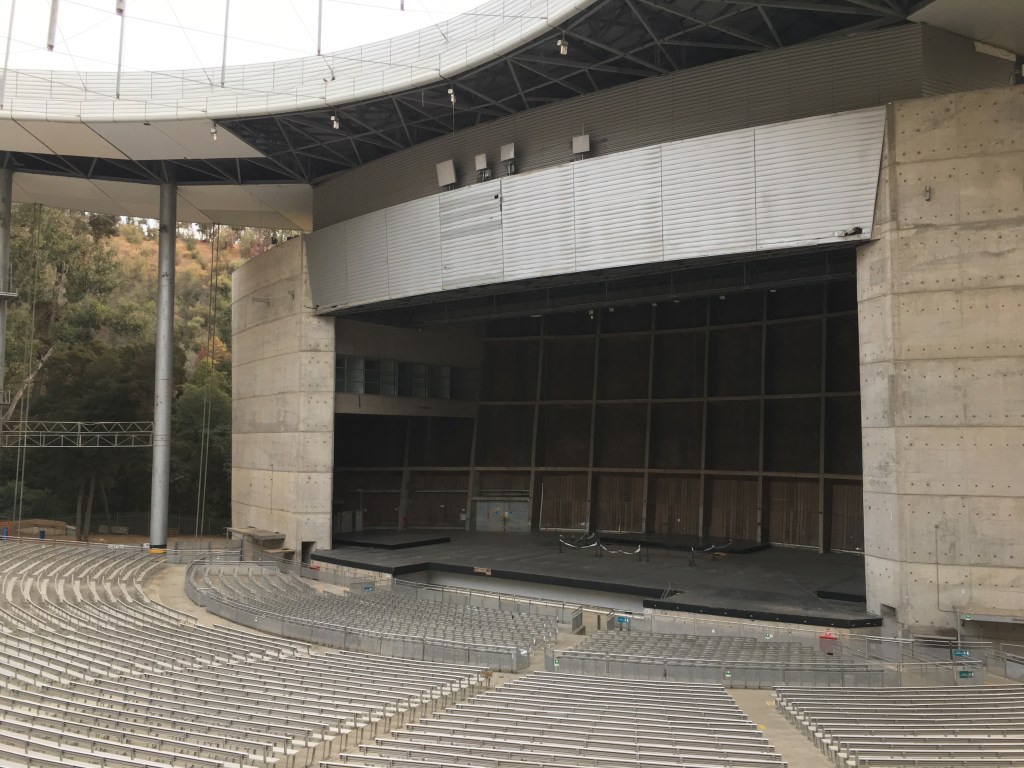
Quinta Vergara (Park and amphitheater where the Festival Internacional de la Canción de Viña del Mar takes place, the largest music festival in Latin America).

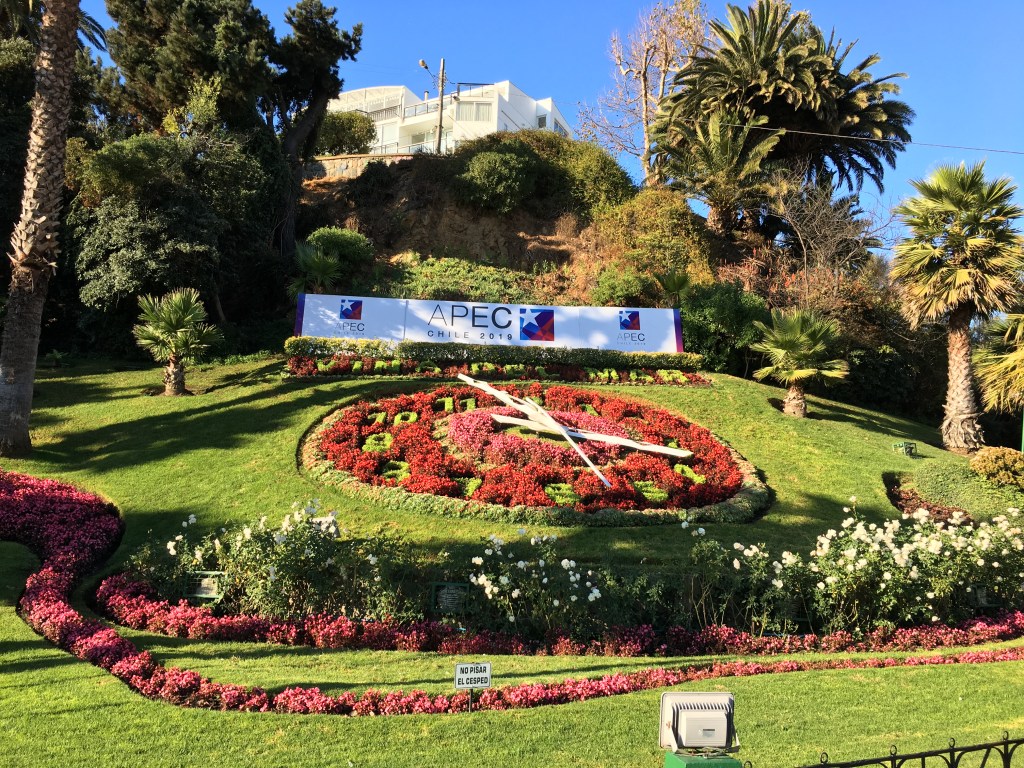
Reloj de Flores 

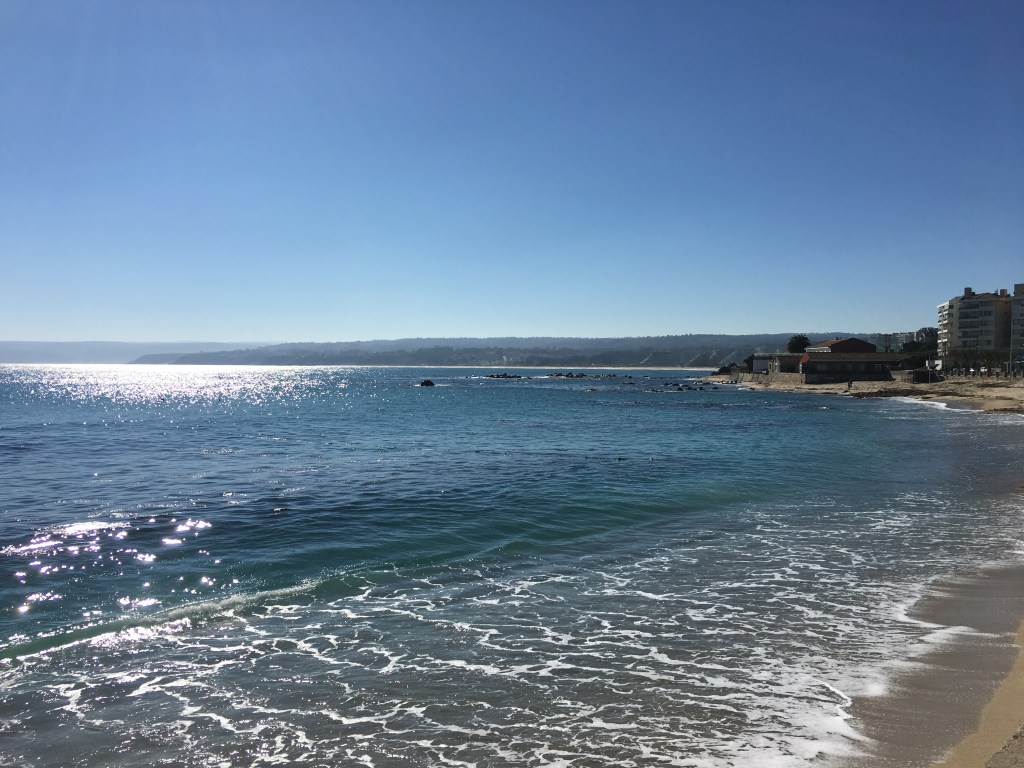
La playa (Visit any beach there!)

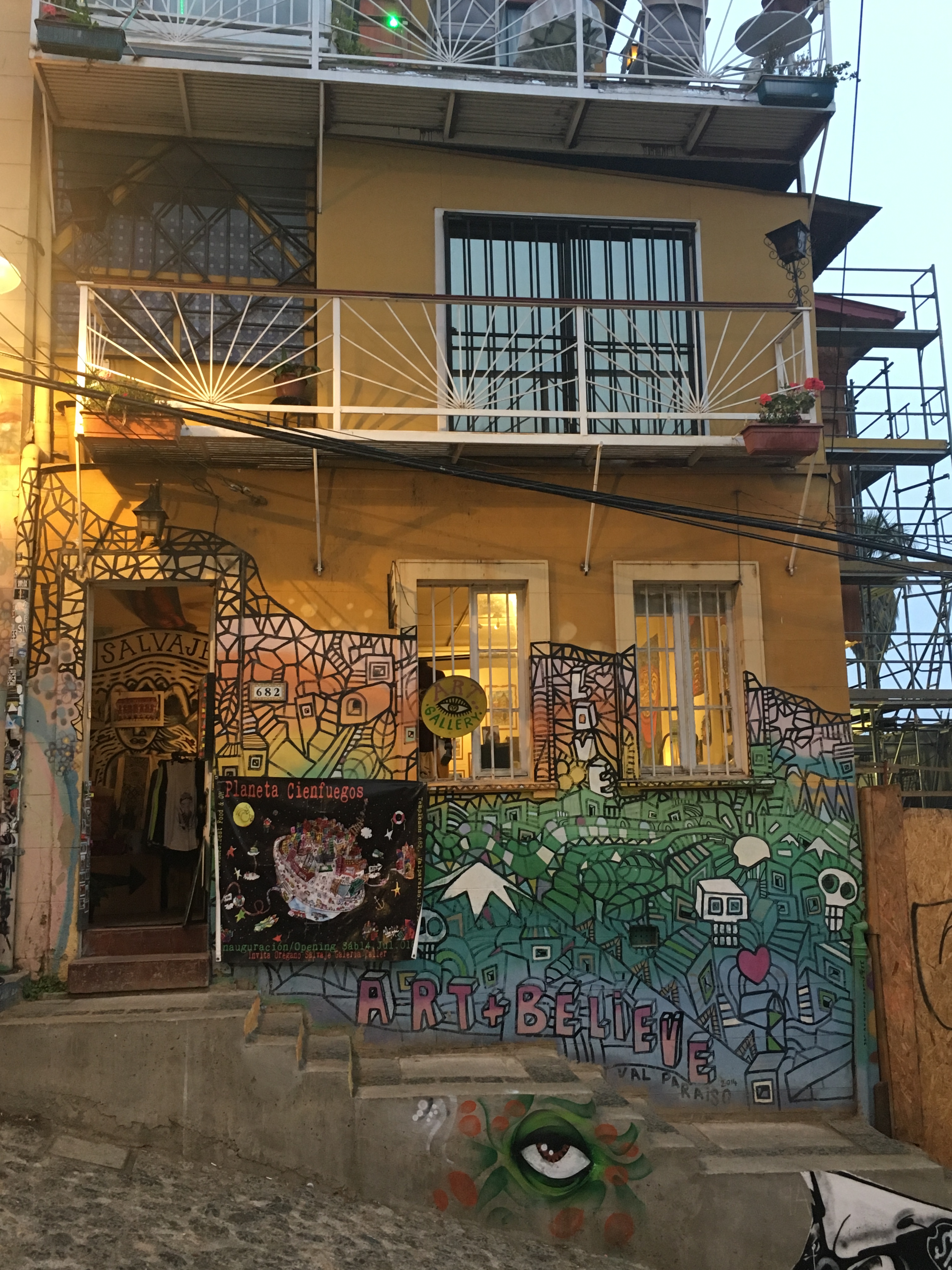
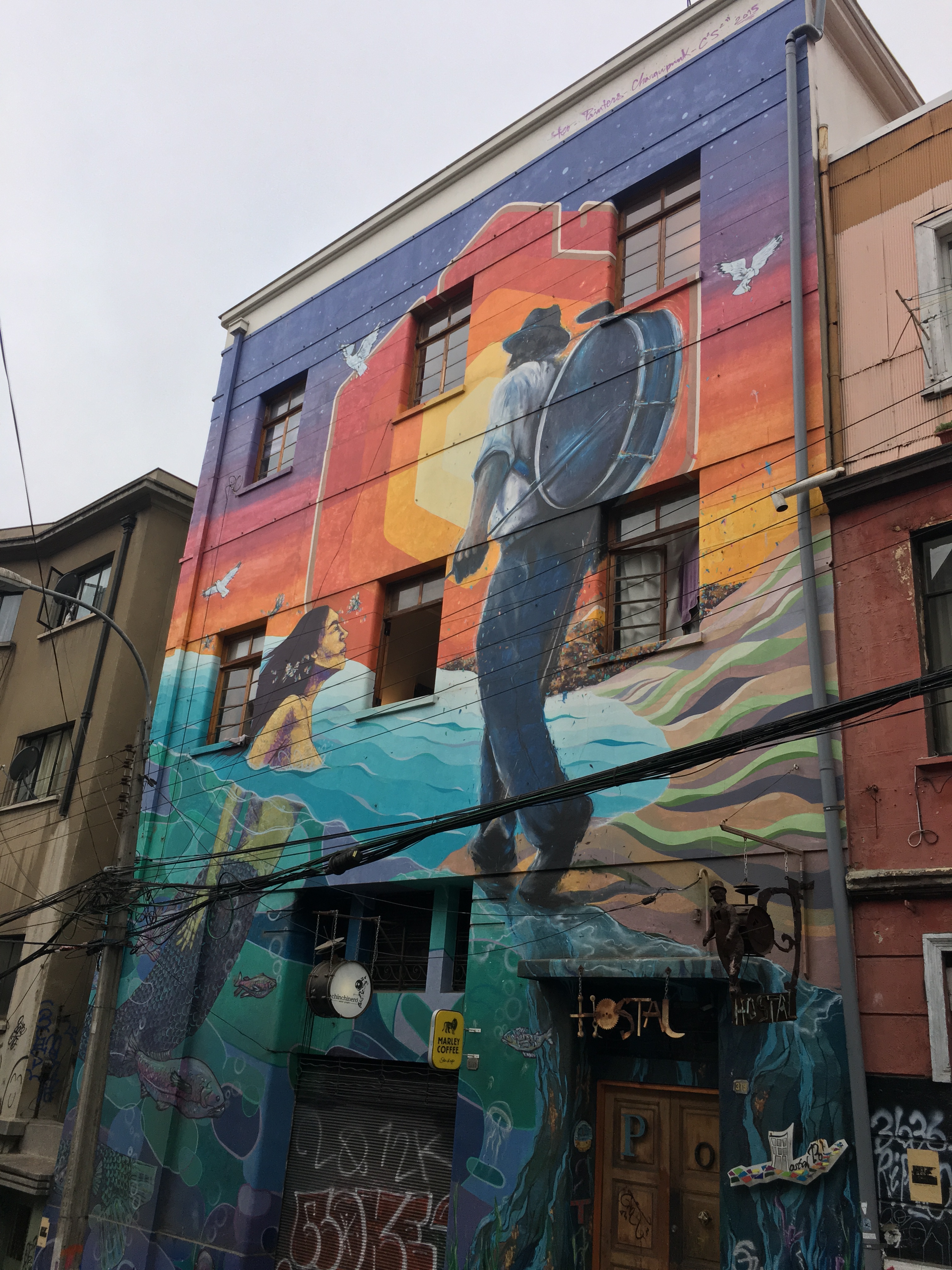
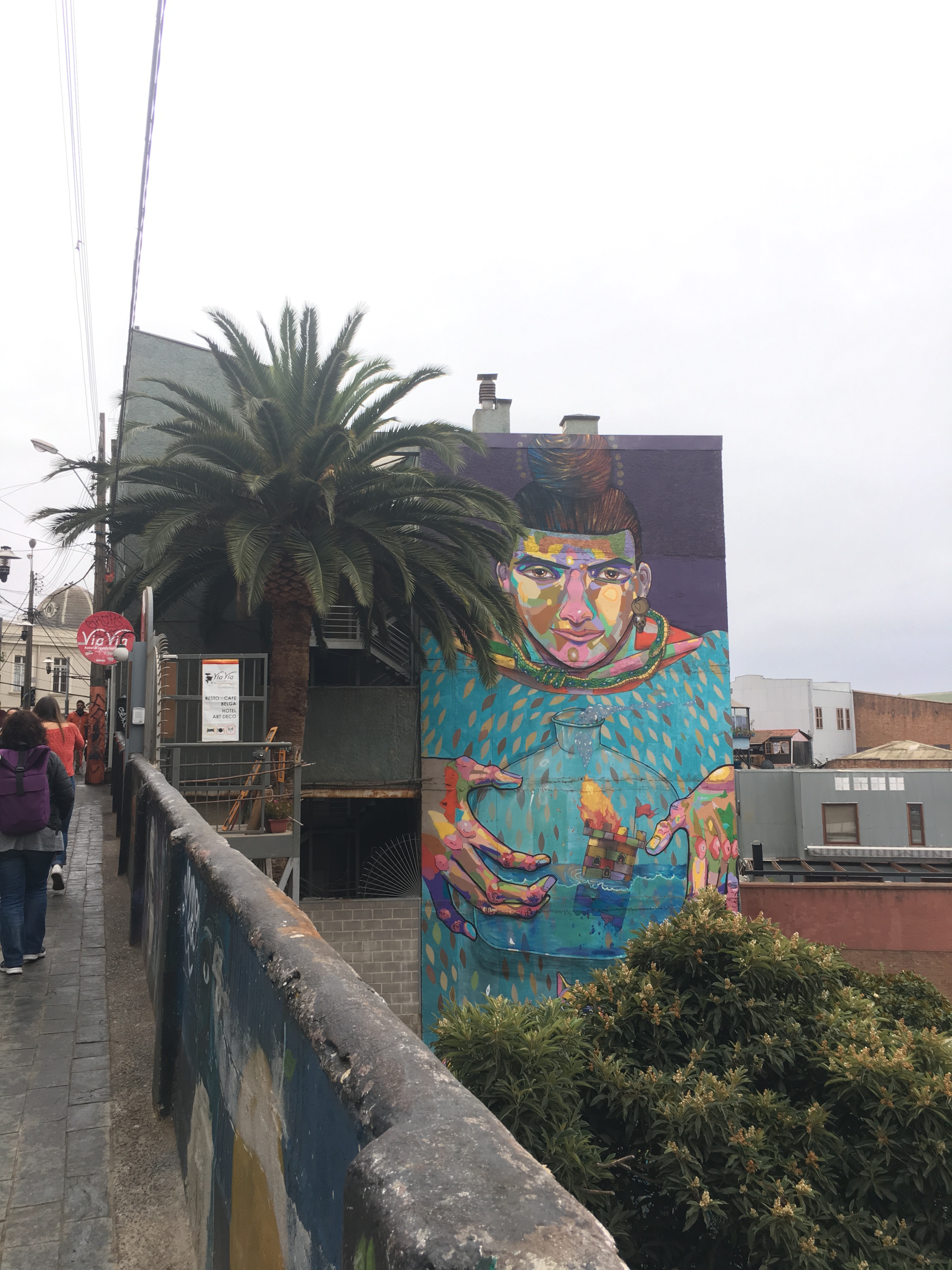
Valparaíso is another city about 10 minutes away from Viña del mar that features cool, colorful buildings, tons of murals, unique shops, and quaint restaurants. Algarrobo is another beach city similar to Viña del mar that is around that region. I stayed in Algarrobo with the program twice. 


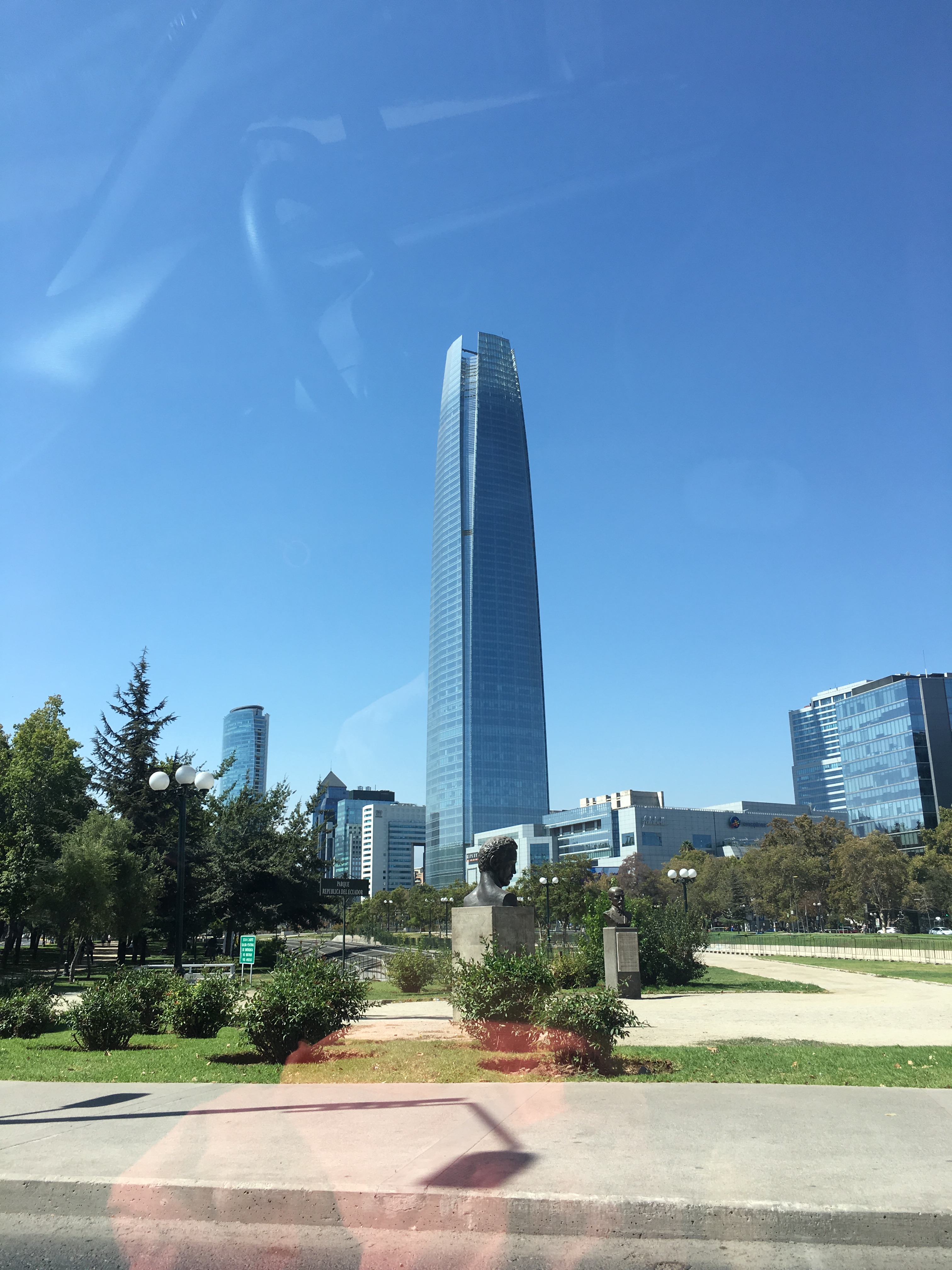
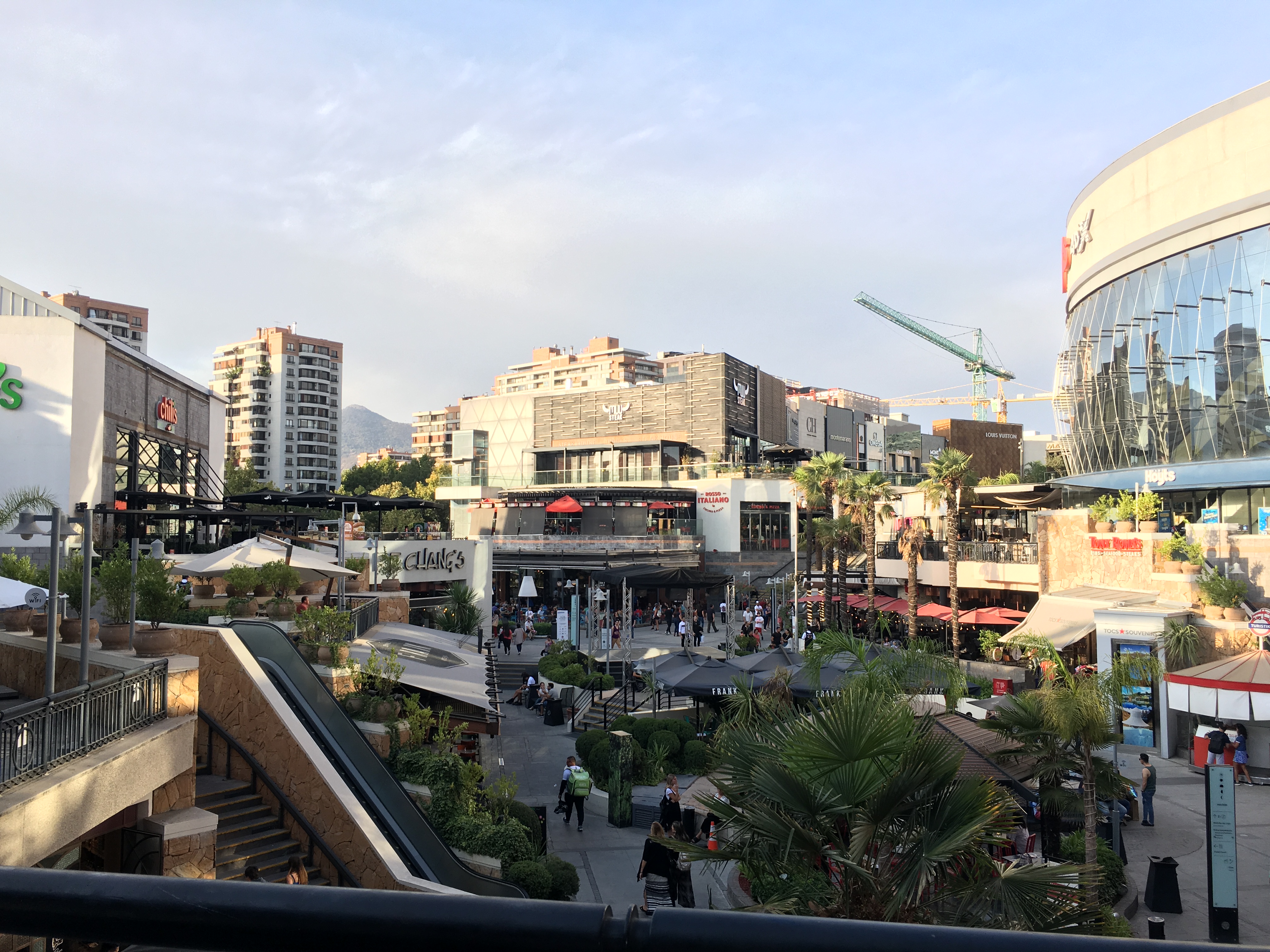
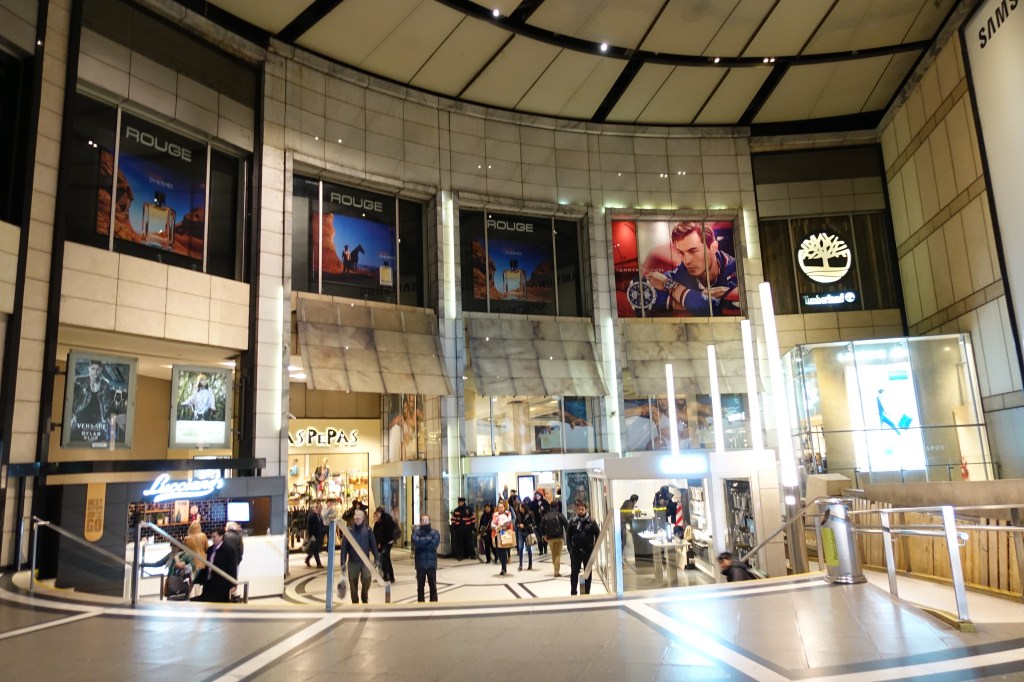
Malls: Parque Arauco, Costanera Center, Plaza Egaña, Alto Las Condes 

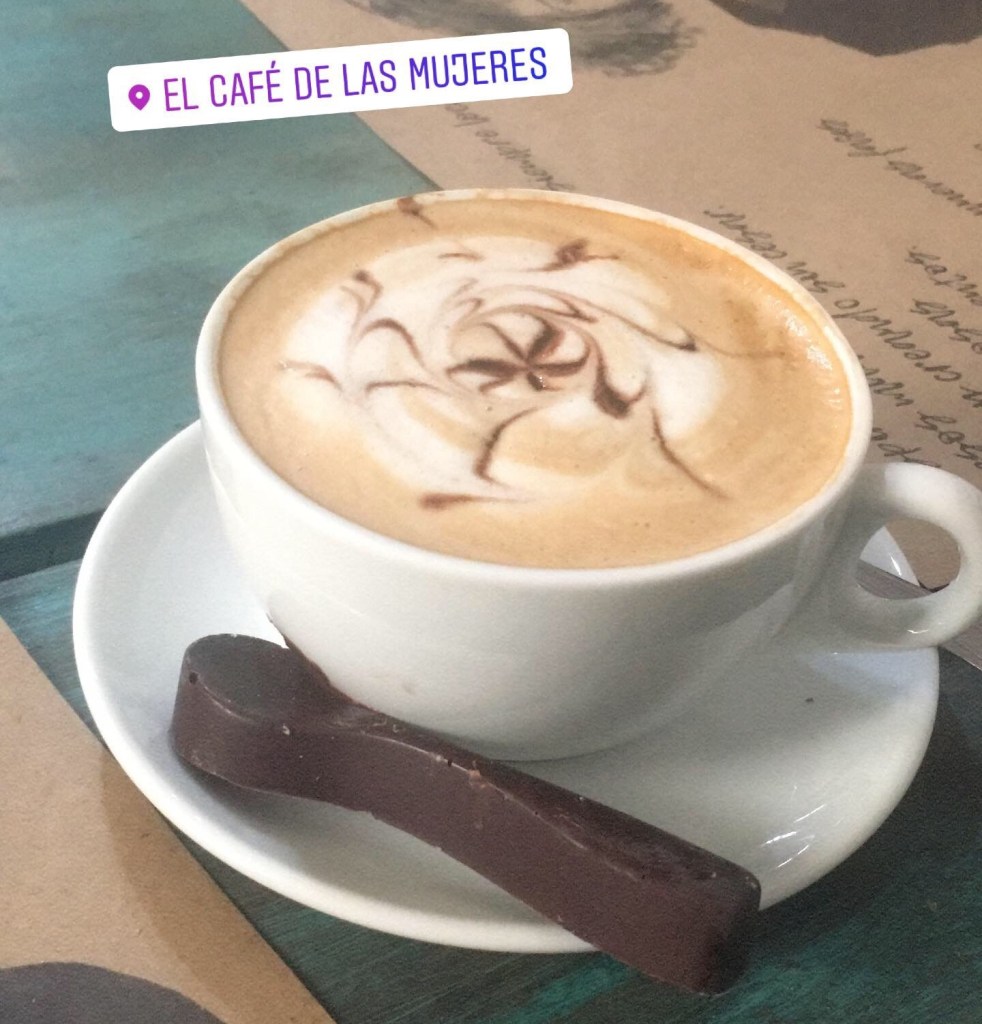
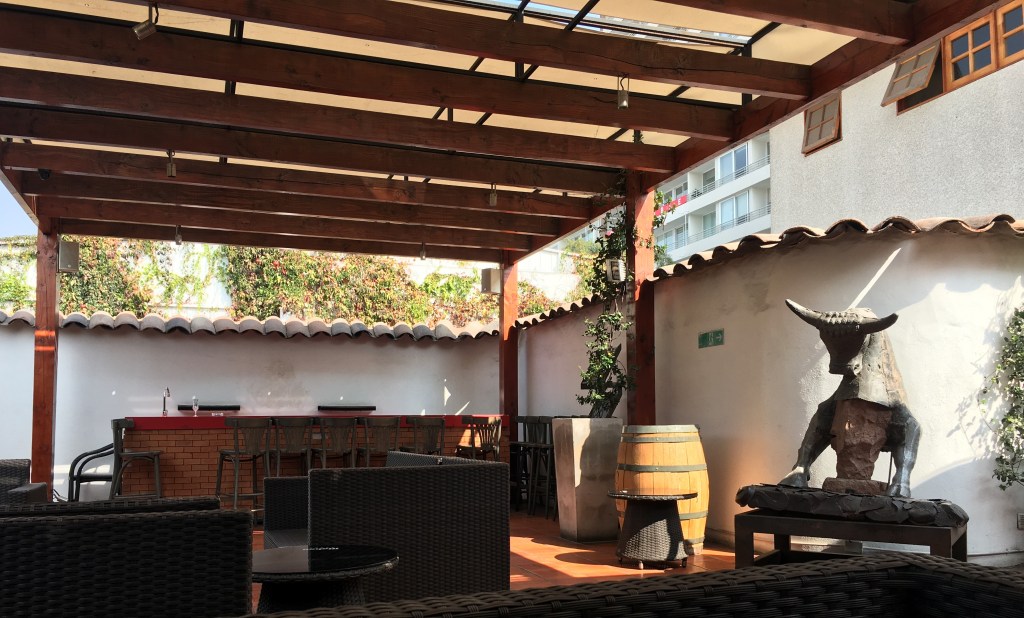
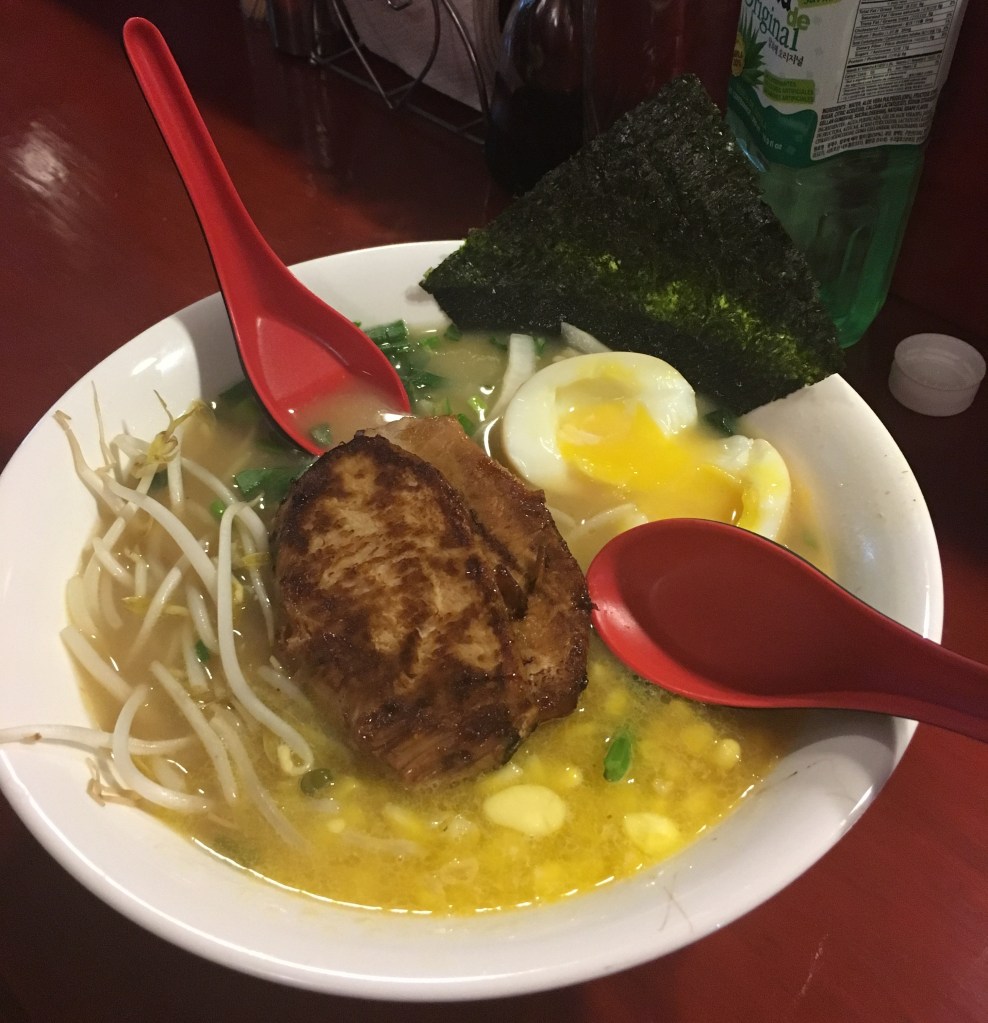
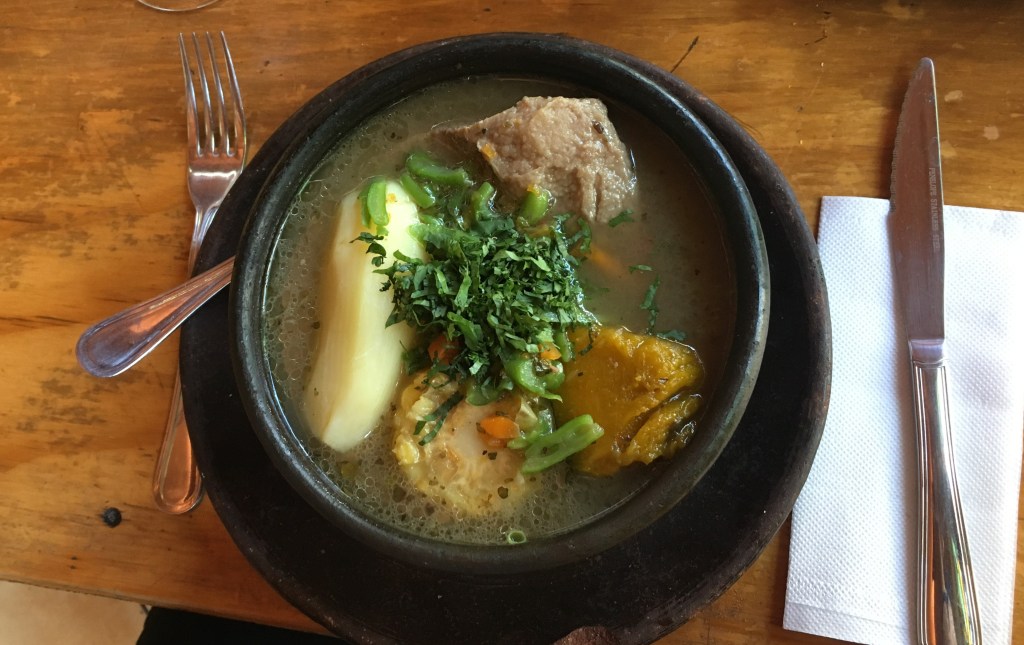
Top restaurants: Eladio, Tang ren jiu lou, El Café de las Mujeres, Tommy Beans, Valpo Ramen. Also, eat Peruvian food while there, it’s delicious! If you get the chance, try some traditional Chilean food such as sopaipillas, pebre, humitas, cazuela, and calzones rotos just to name a few!

Other places: other people in the group went to vineyards around Santiago and a trip to San Pedro de Atacama. 

This is only a list of some of the places I visited. There are sooo many more places and museums that I did not get around to visiting. Time goes by fast, so plan accordingly. I advise doing a little research about the city before you go, but keep an open mind and ask locals about cool places to visit and eat – they know best! There are too many people that make an unrealistic list of places they want to visit and then are let down when not everything on the list is checked off by the end. When I went to Buenos Aires, our wonderful in-country host person had a booklet made for us with various places to visit. In Chile, my host mom gave me a lot of recommendations for places to visit. Google searches can be helpful, but don’t be afraid to reach out and ask past students/fellows and locals about where to go! Additionally, everyone has their own interests, so go to places that interest you!

Buenos Aires: Places to Visit

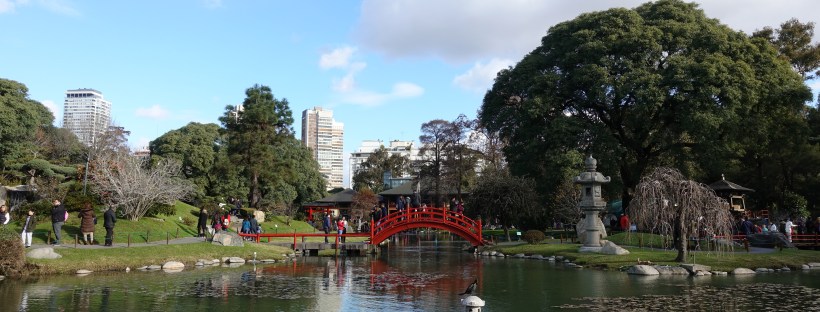
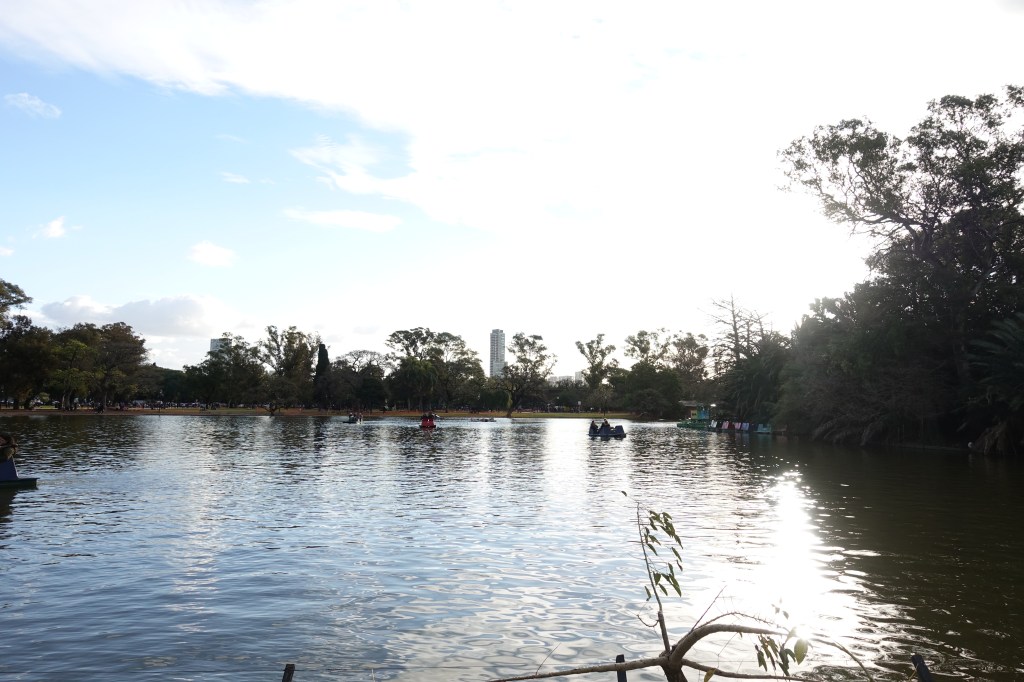
Parque Tres de Febrero, also known as Bosques de Palermo. Weekend activities include paddle boats, bike riding, roller skating, etc. El Rosedal, Planetarium, and Jardín Japonés are all in this park.

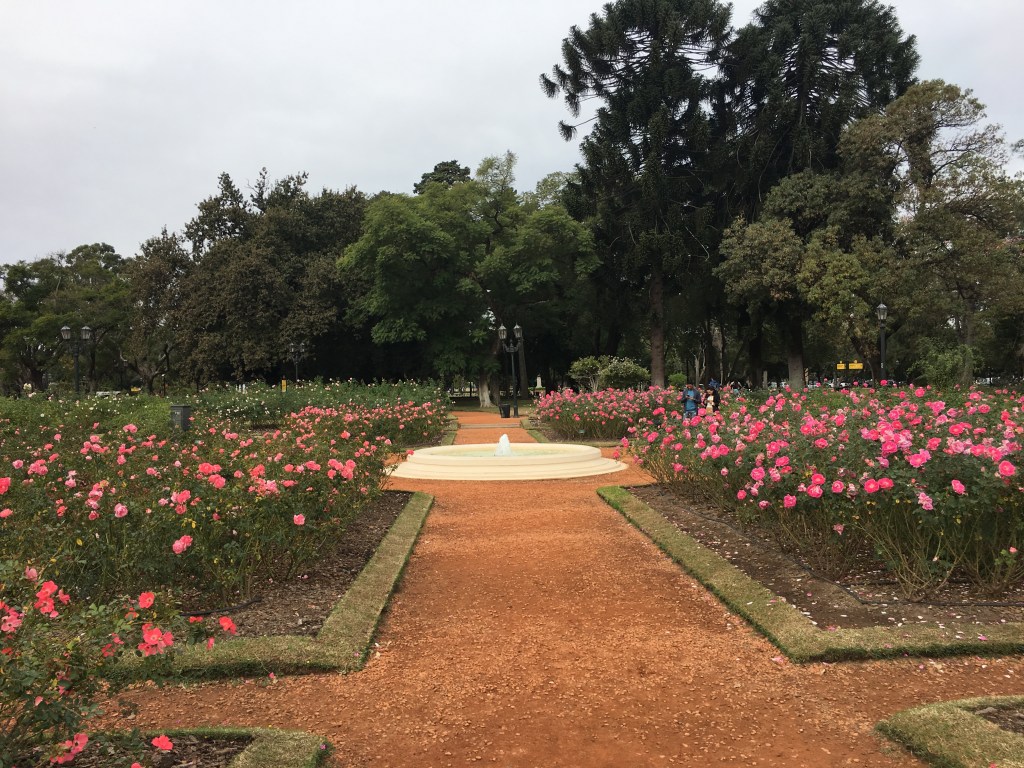
El Rosedal

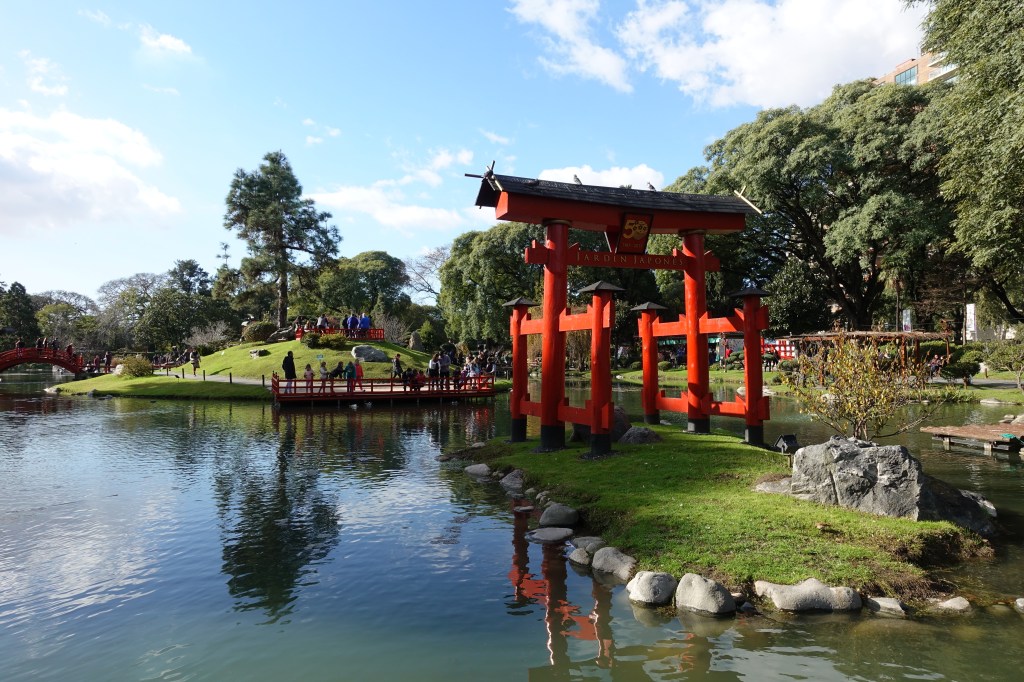
Jardín Japonés (entry fee)

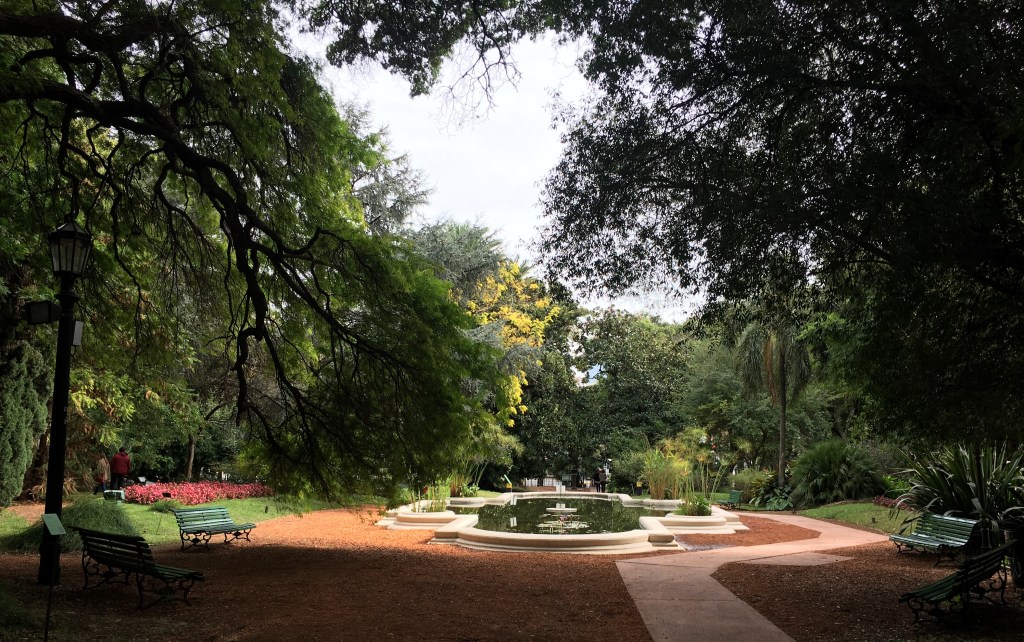
Jardín Botánico

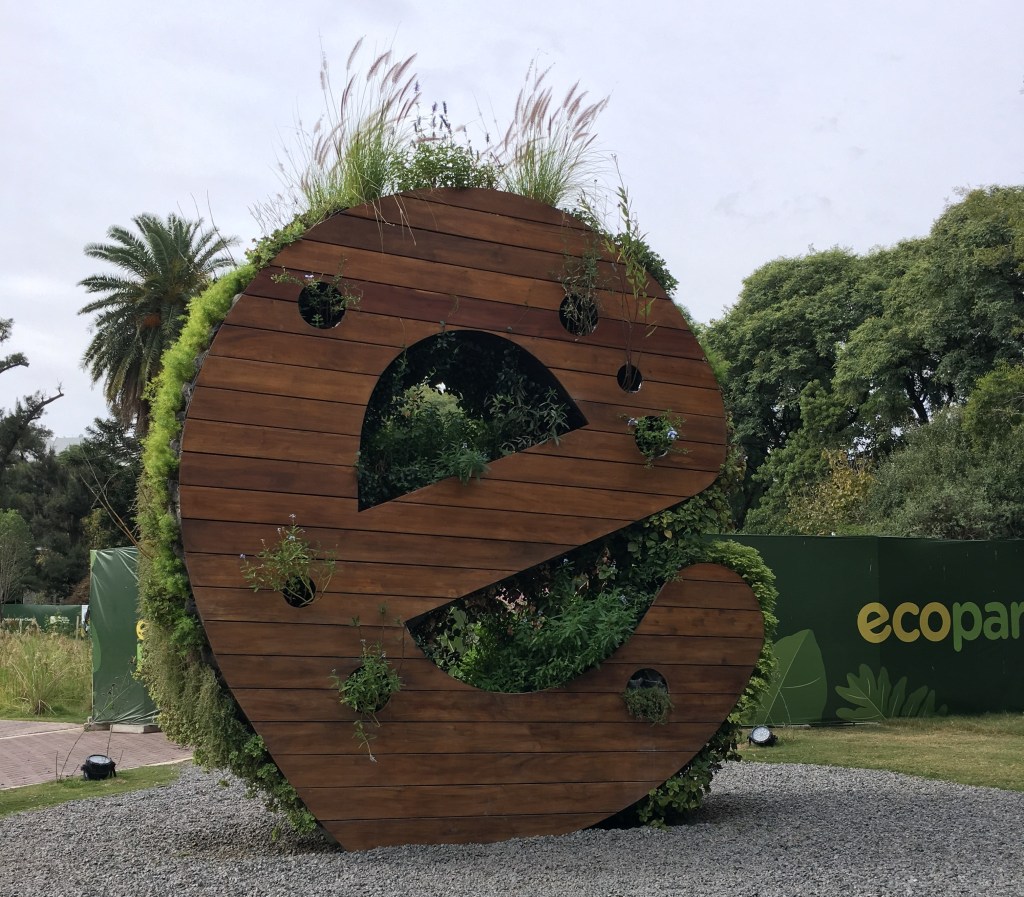
Eco parque

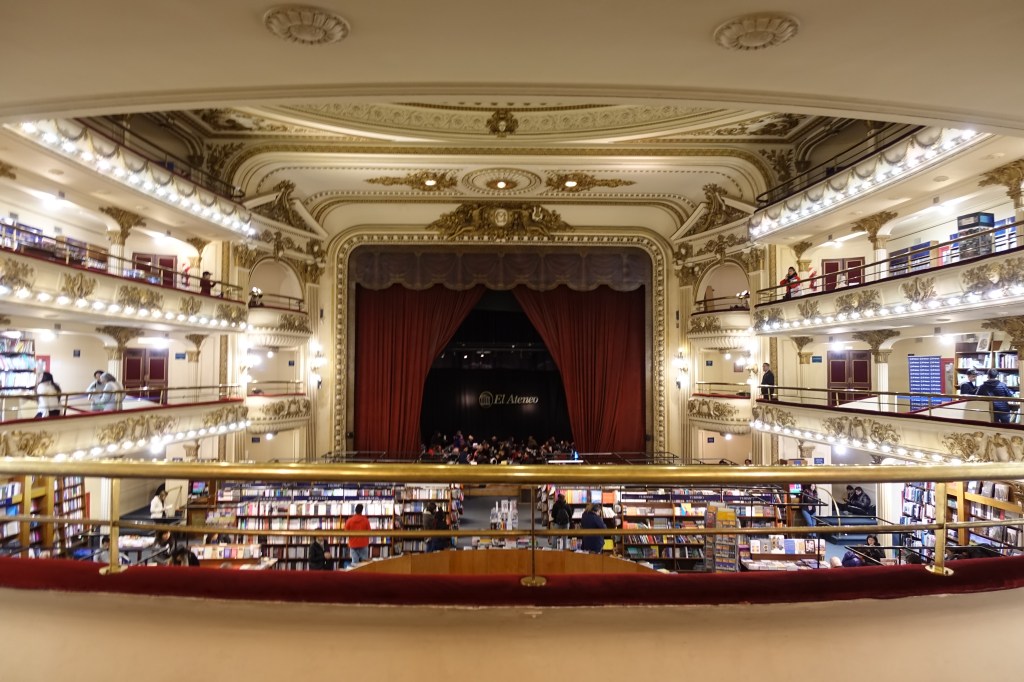
El Ateneo Grand Splendid

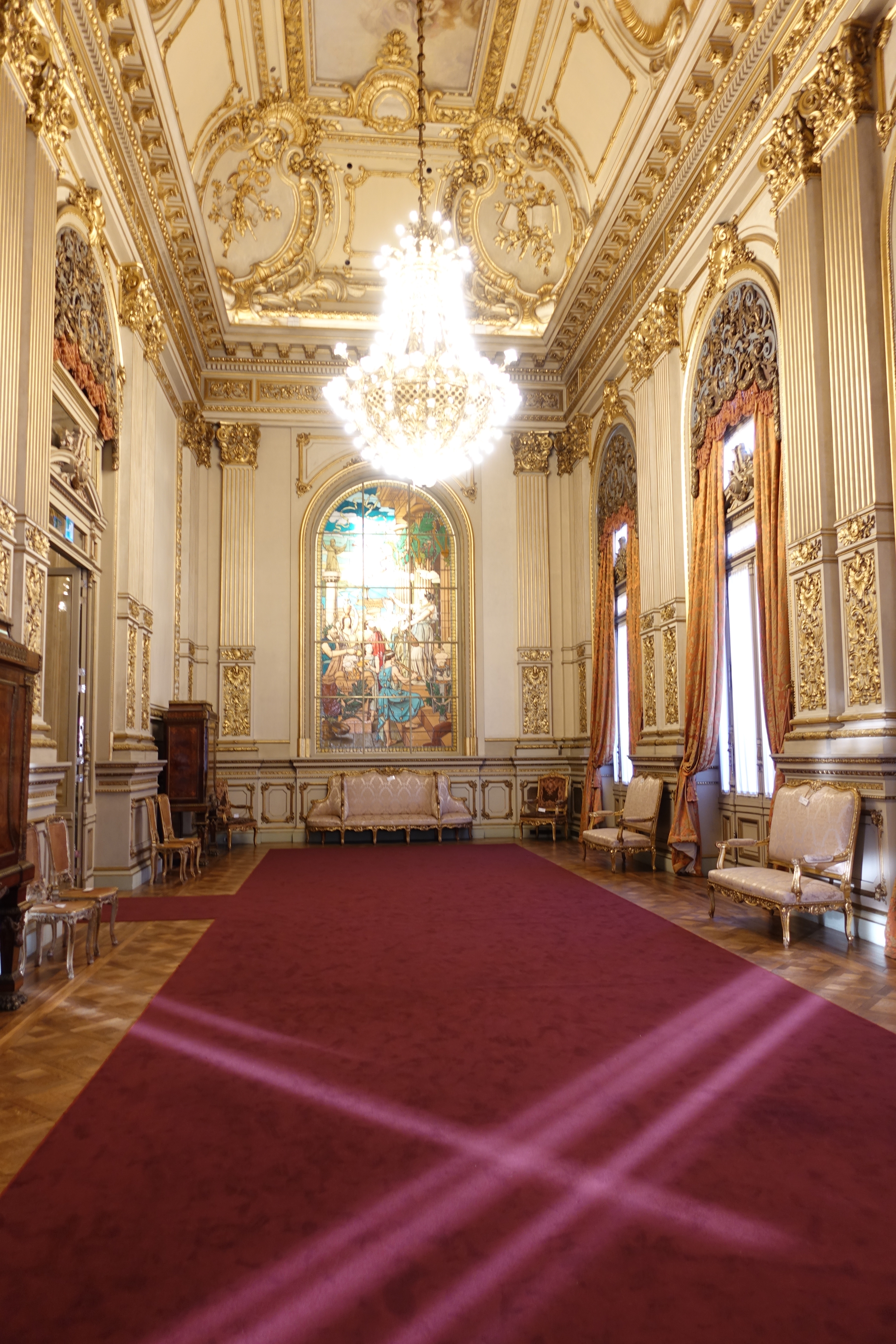
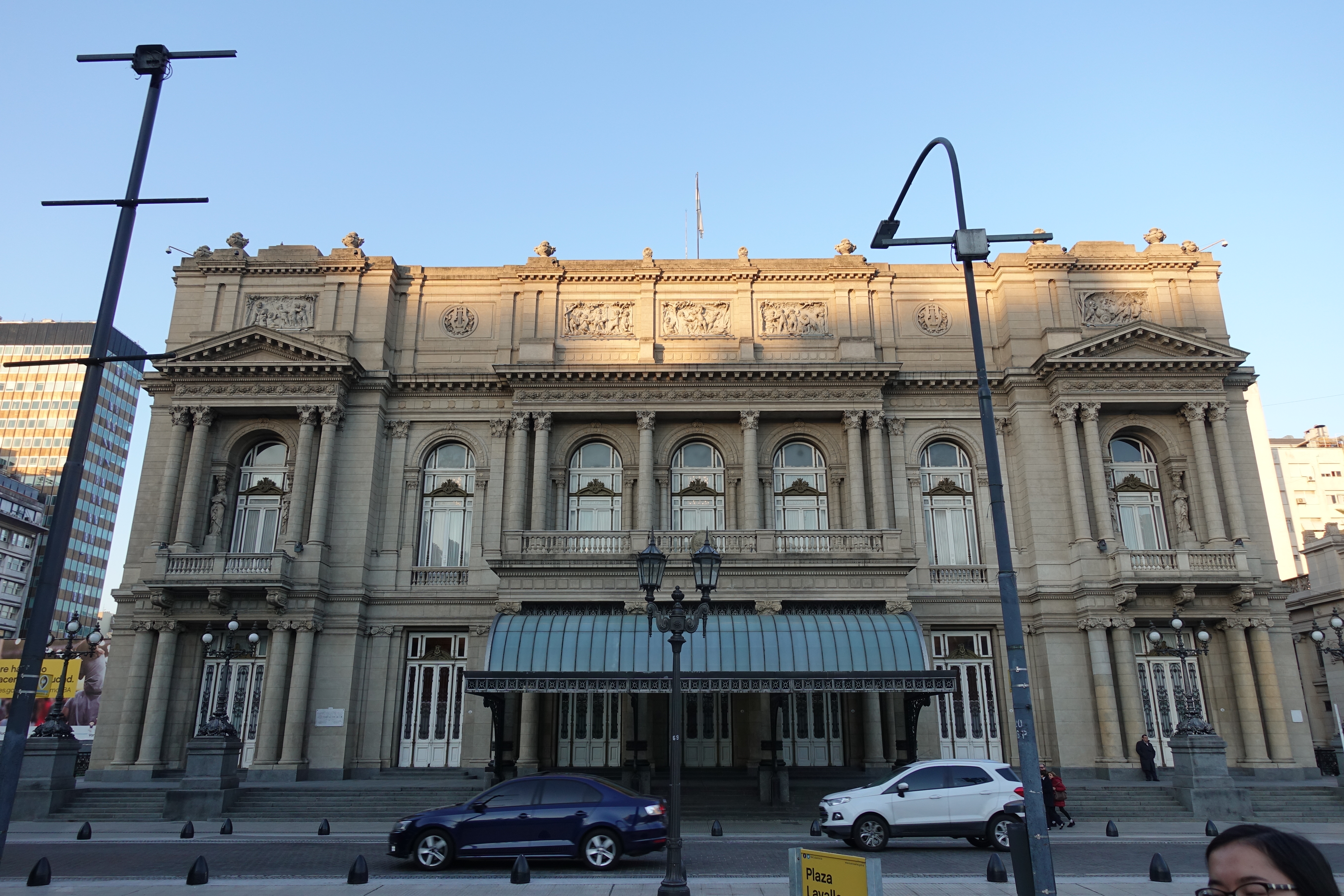
Teatro Colón (guided tours for a fee)

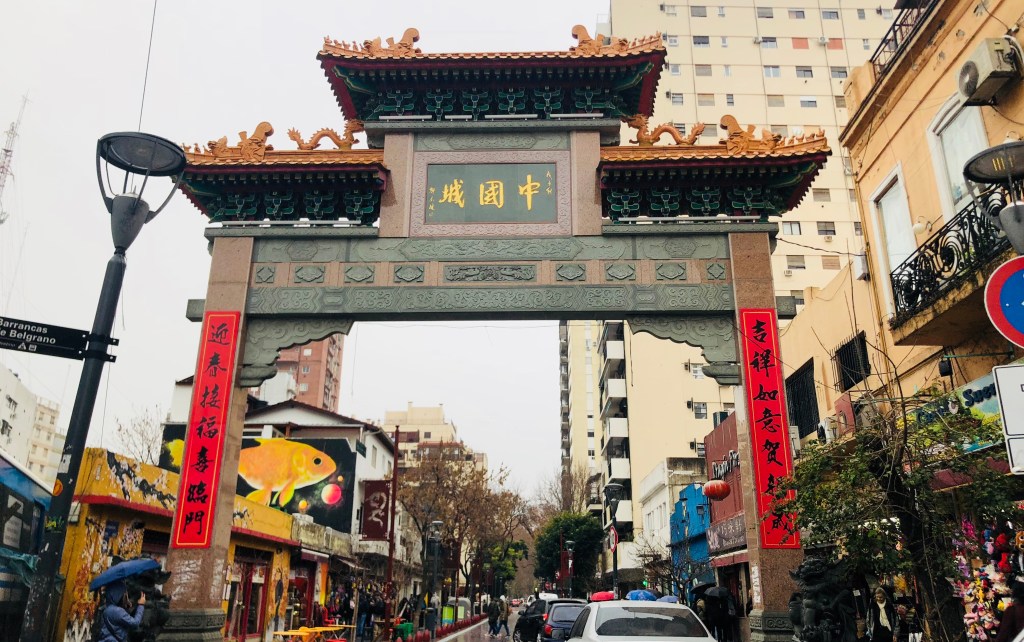
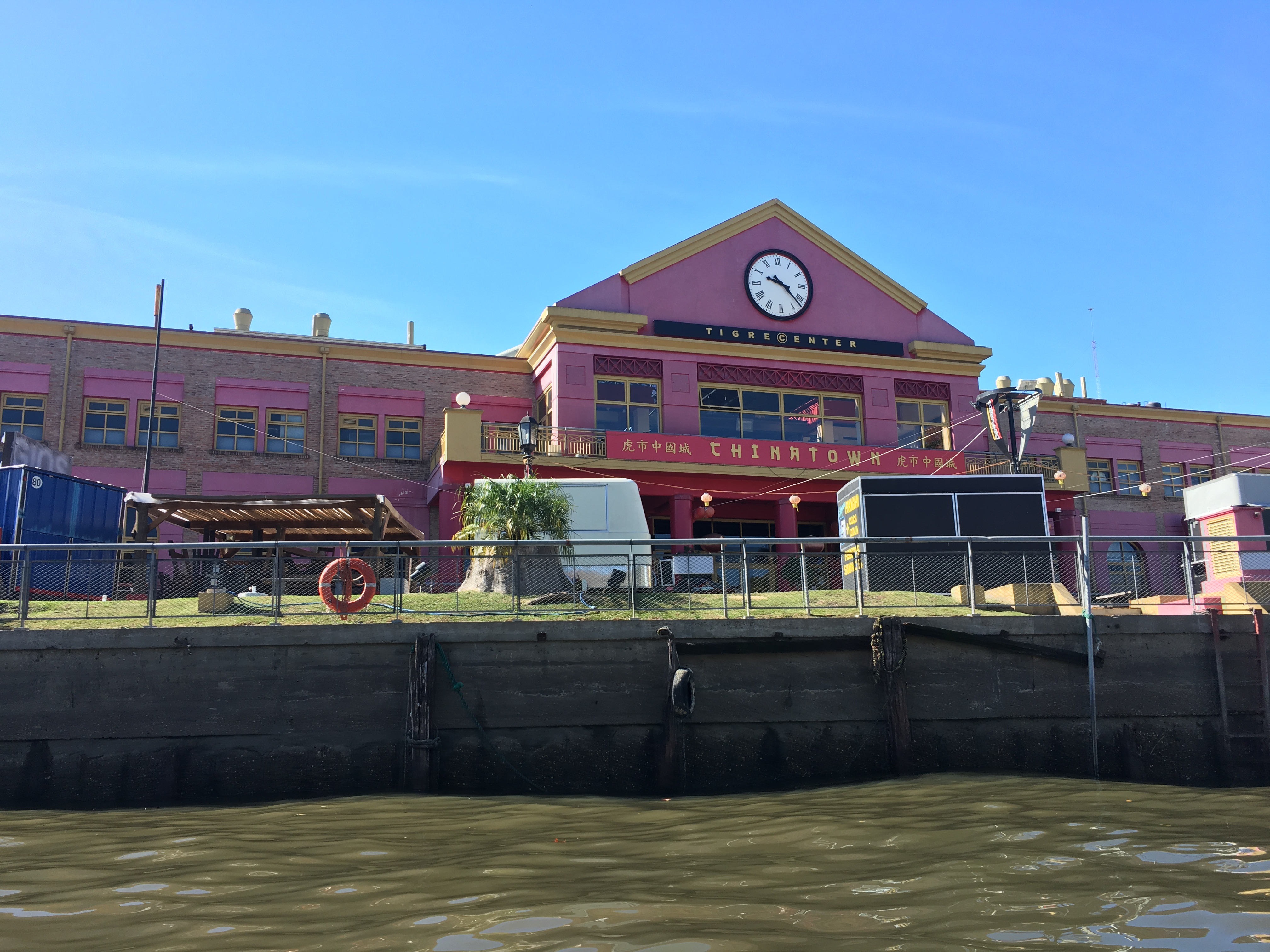
Barrio Chino

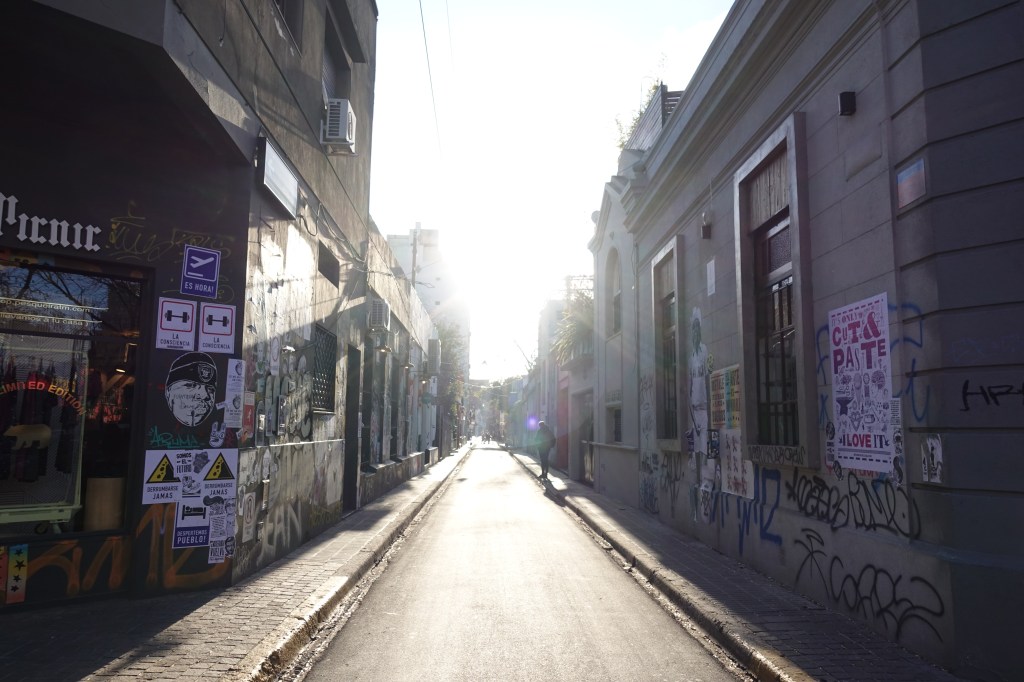
Palermo Soho (neighborhood with restaurants, bars, clubs, shops, and a feria on weekends)

Museo Evita/Eva Perón Museum (no photos permitted in the museum)

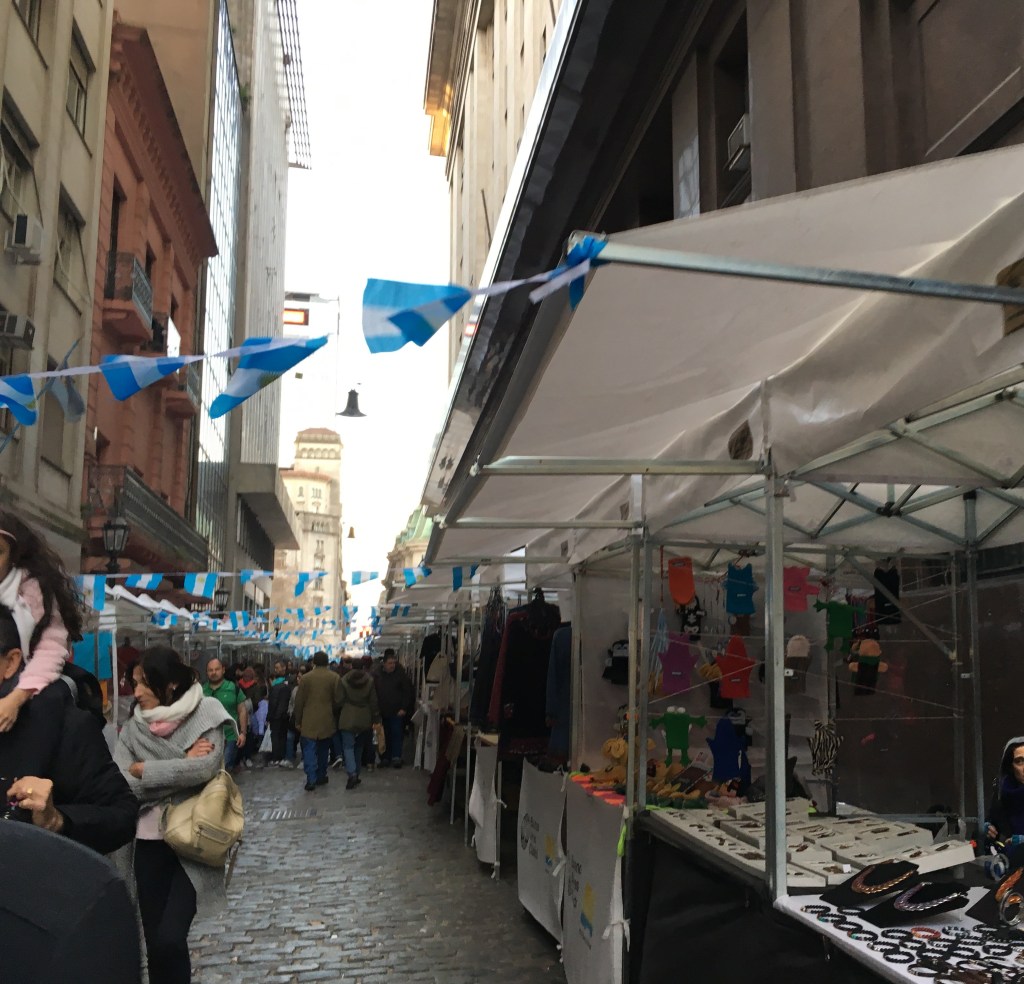
San Telmo (There is a huge feria there on Sundays)

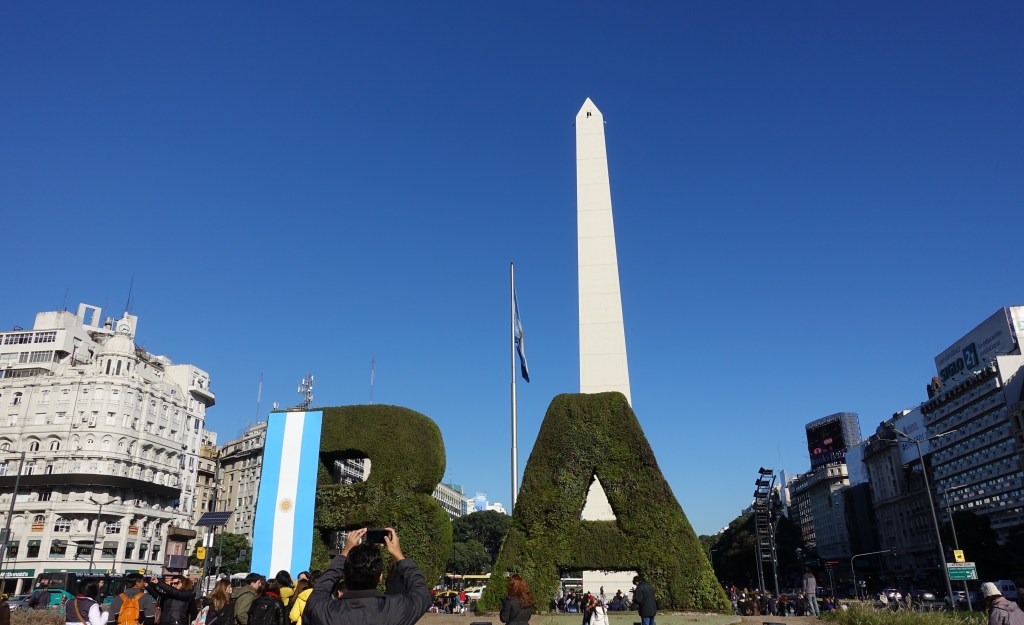
Obelisco

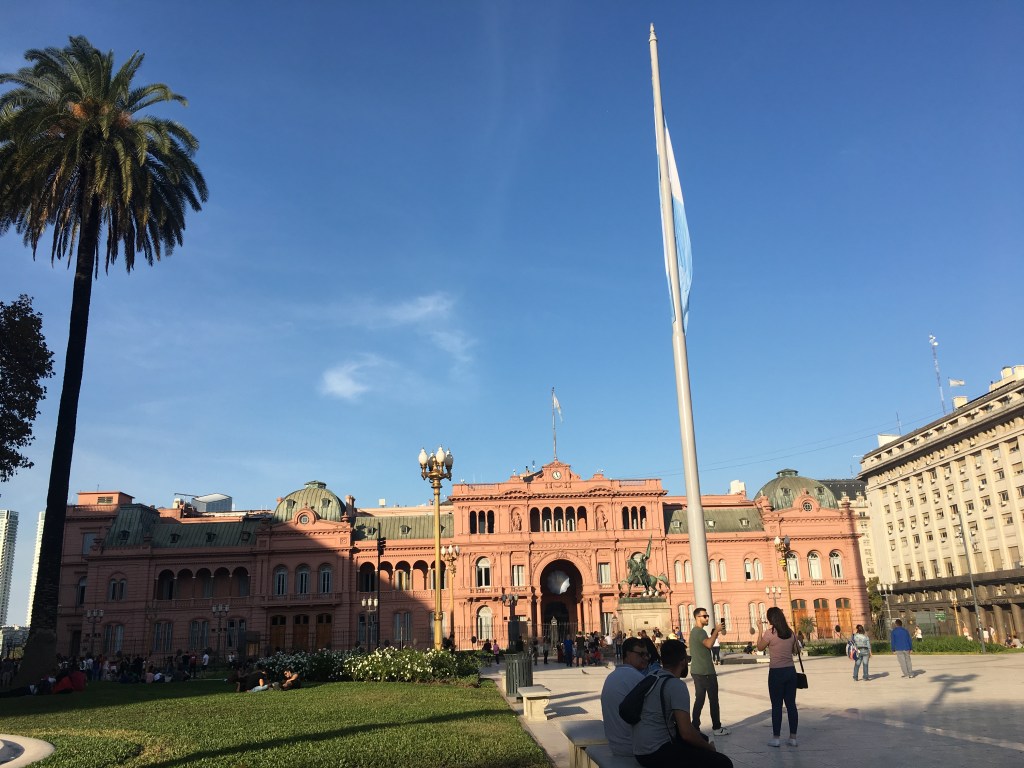
La Casa Rosada y Plaza de Mayo

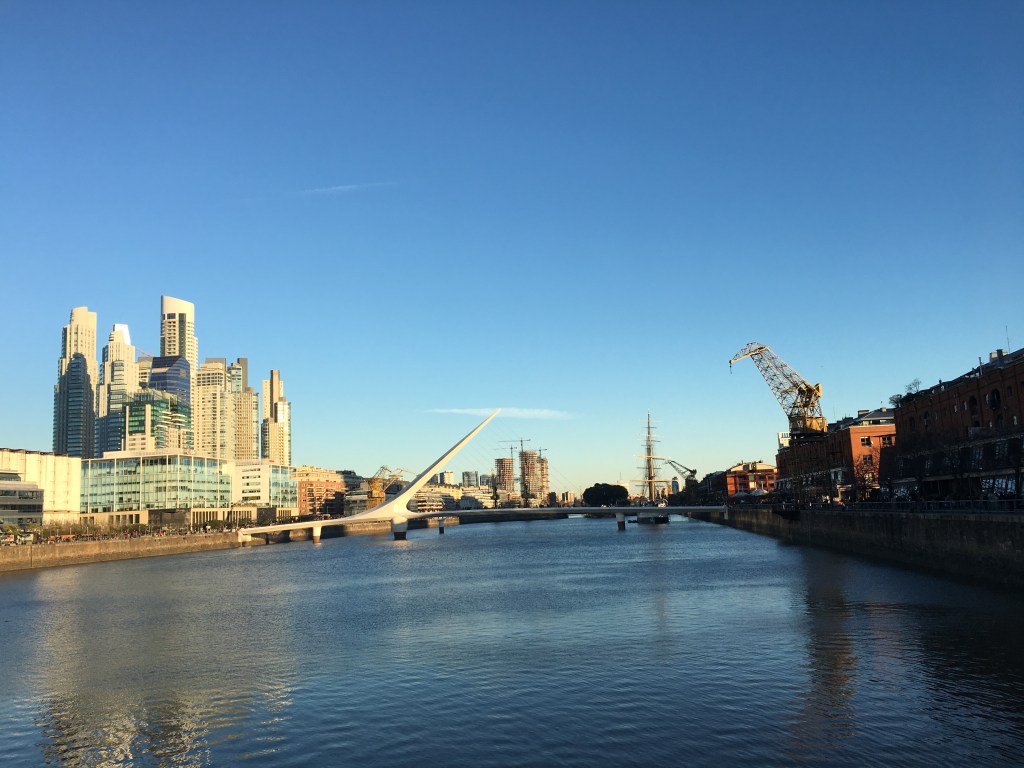
Puerto Madero 

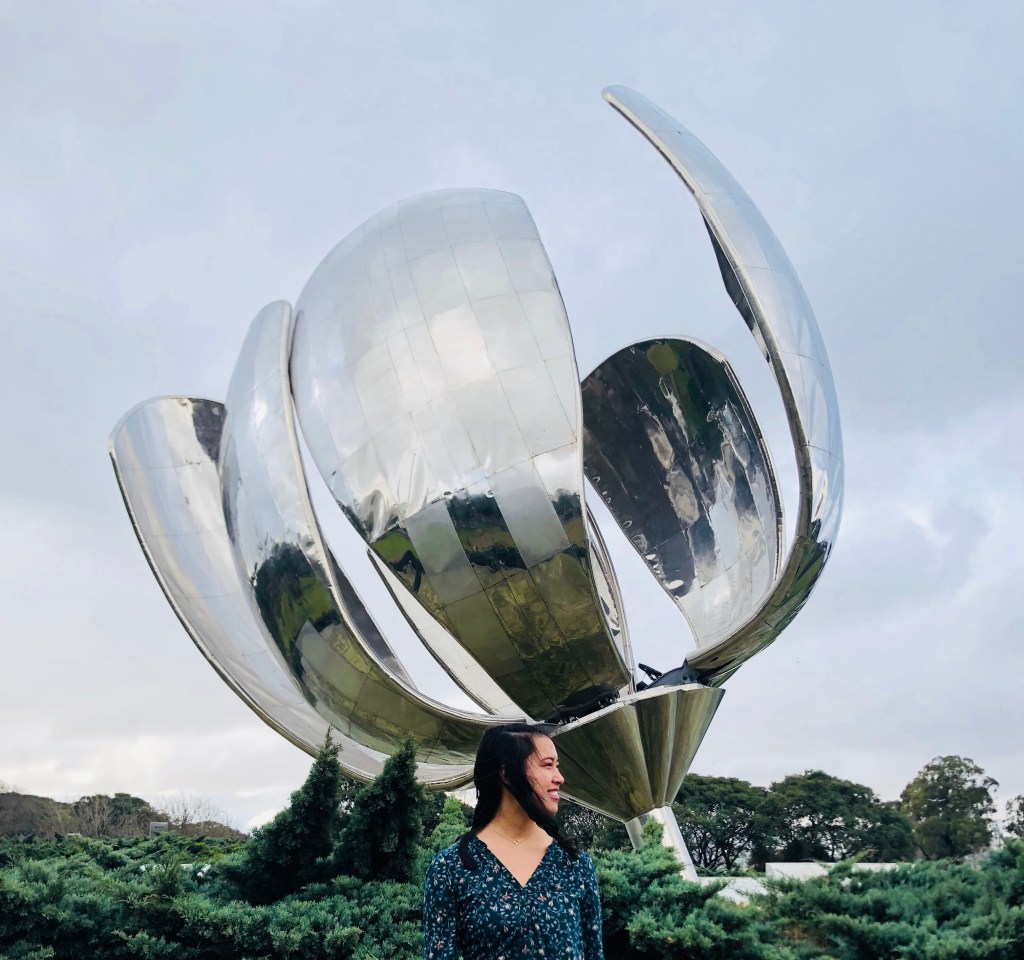
Floralis Genérica (literally just the flower statue but near the Museo Nacional de Bellas Artes and other tourists places)

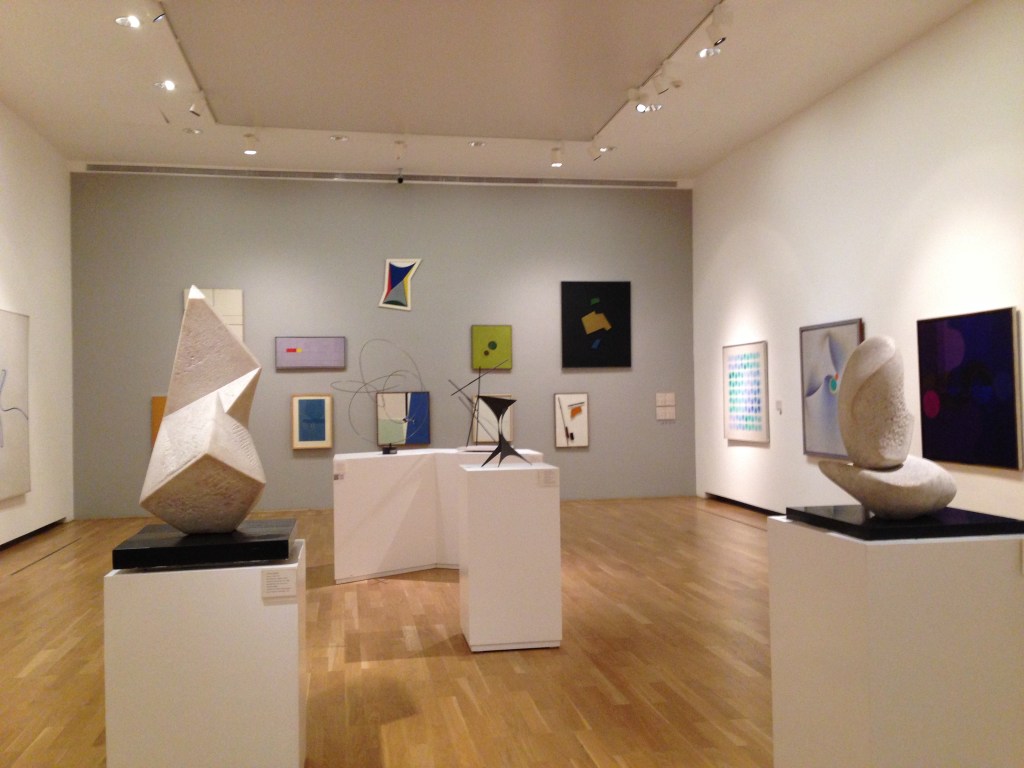
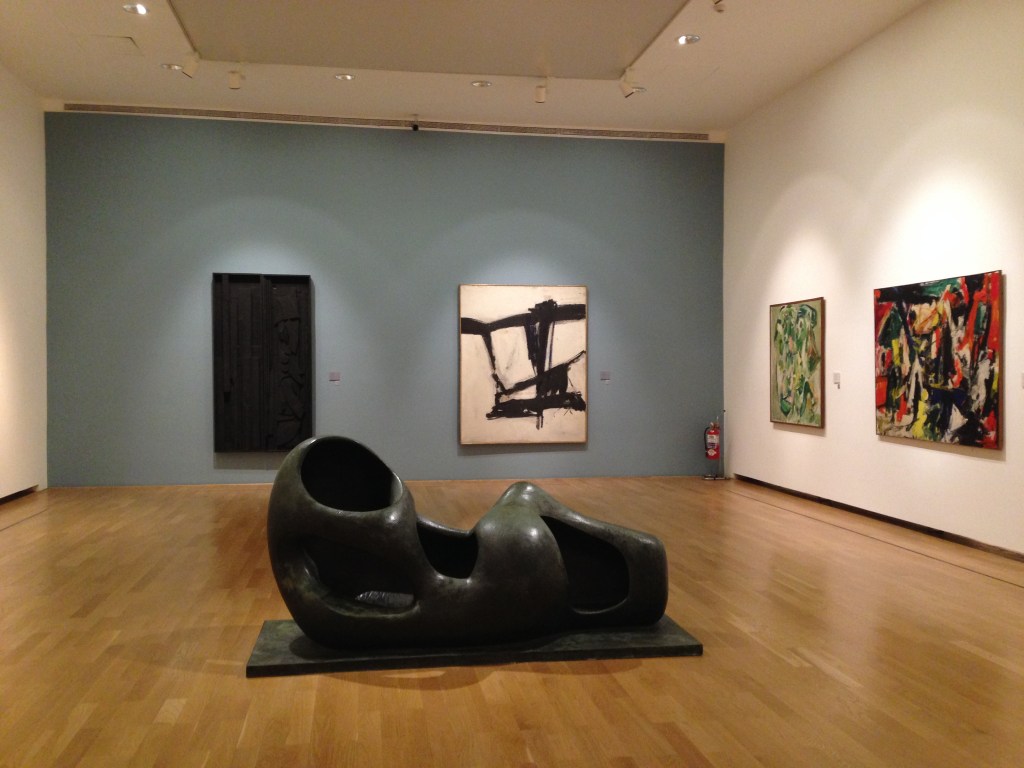
Museo Nacional de Bellas Artes (Museo de Arte Latinoamericano de Buenos Aires, also known as MALBA, is another popular art museum that I did not get the chance to visit)

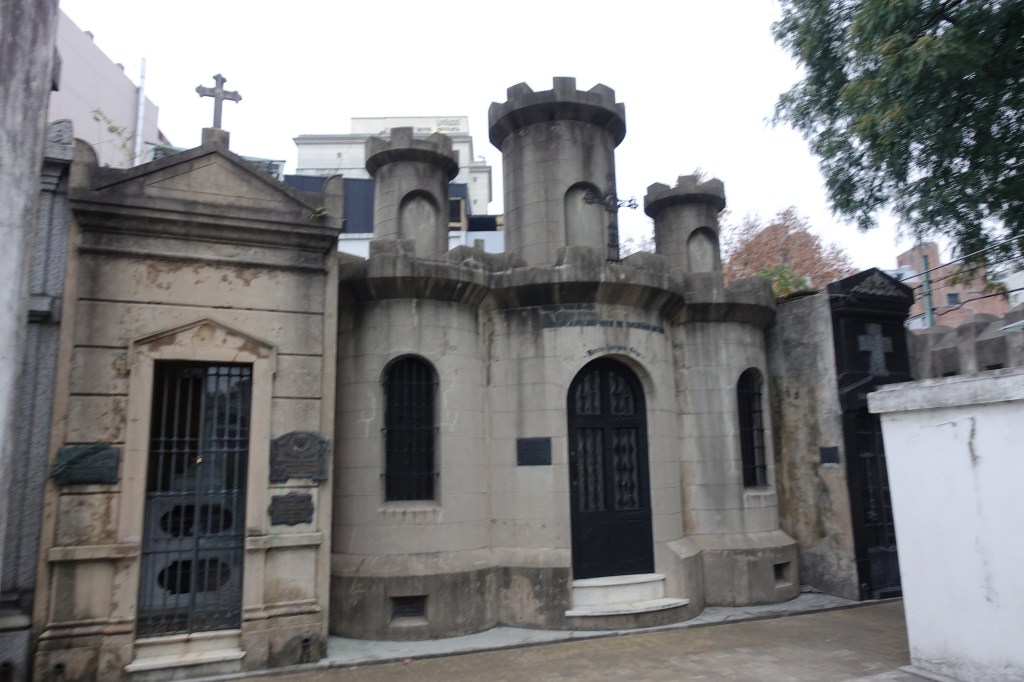
Recoleta cemetery (There’s also the Recoleta feria nearby on the weekends)

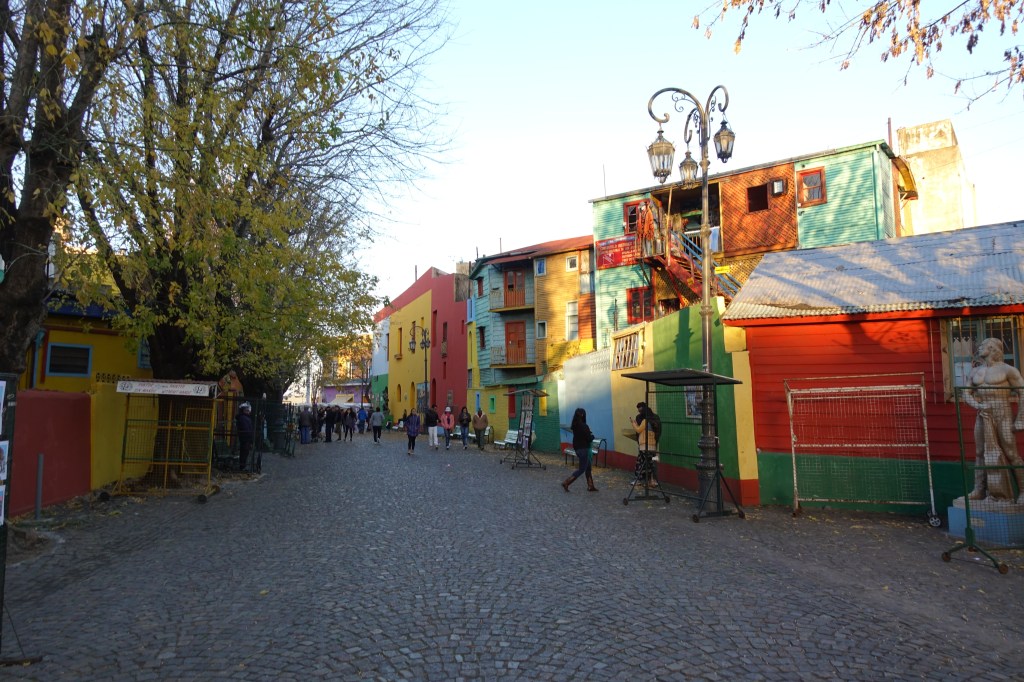
Barrio La Boca

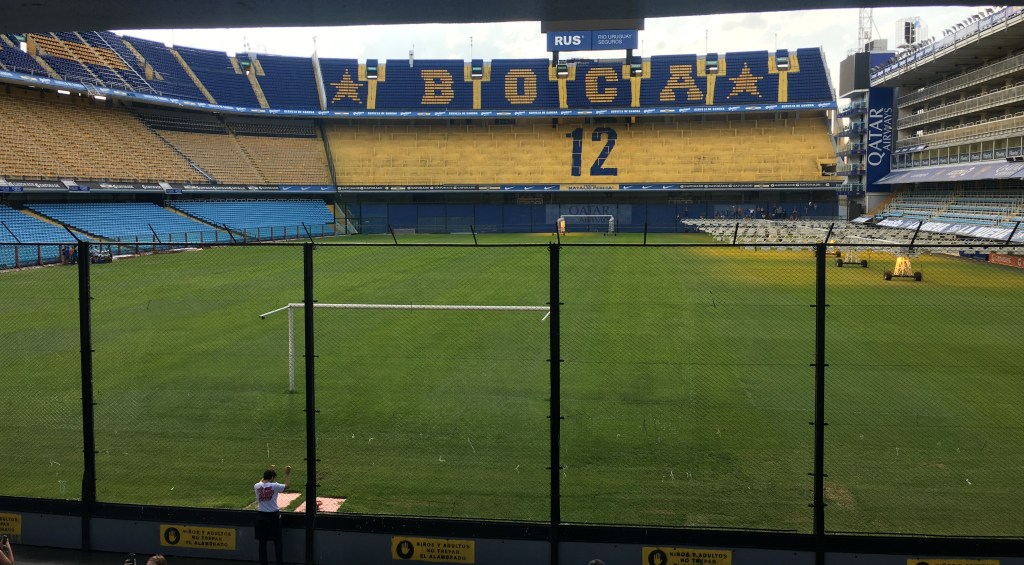
La Bombonera (Soccer stadium of the Boca Juniors, one of the most popular teams in Argentina)

Tigre (There is also a small Chinatown and an amusement park, Parque de la Costa. Feria on weekends)

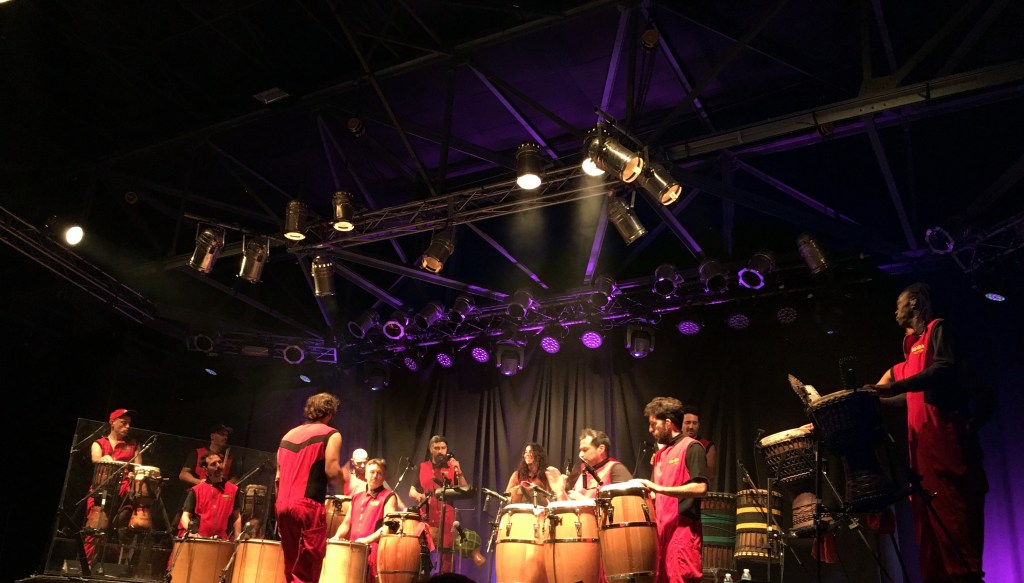
La Bomba de Tiempo

Tango show

Malls: Alto Palermo, Galerías Pacificos, Avenida Cabildo (Avenue with reasonably priced shops)

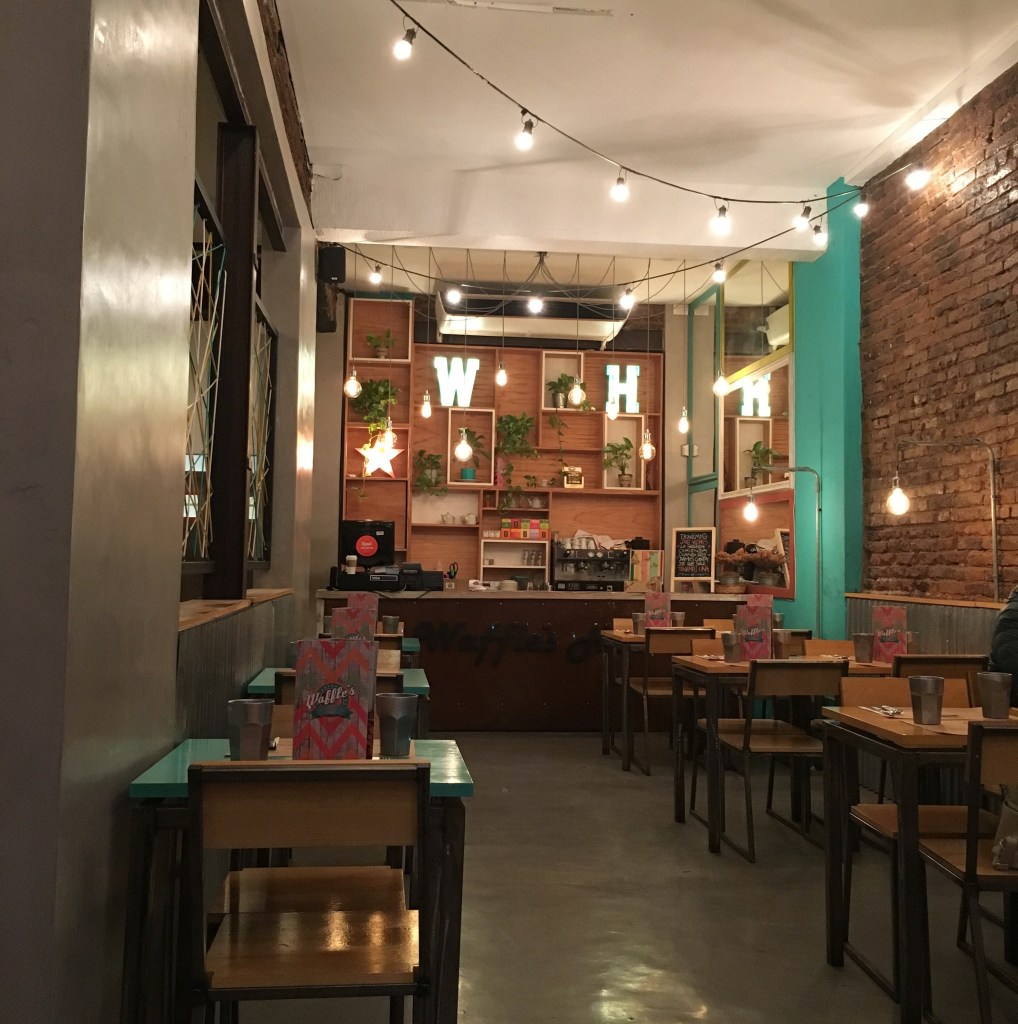
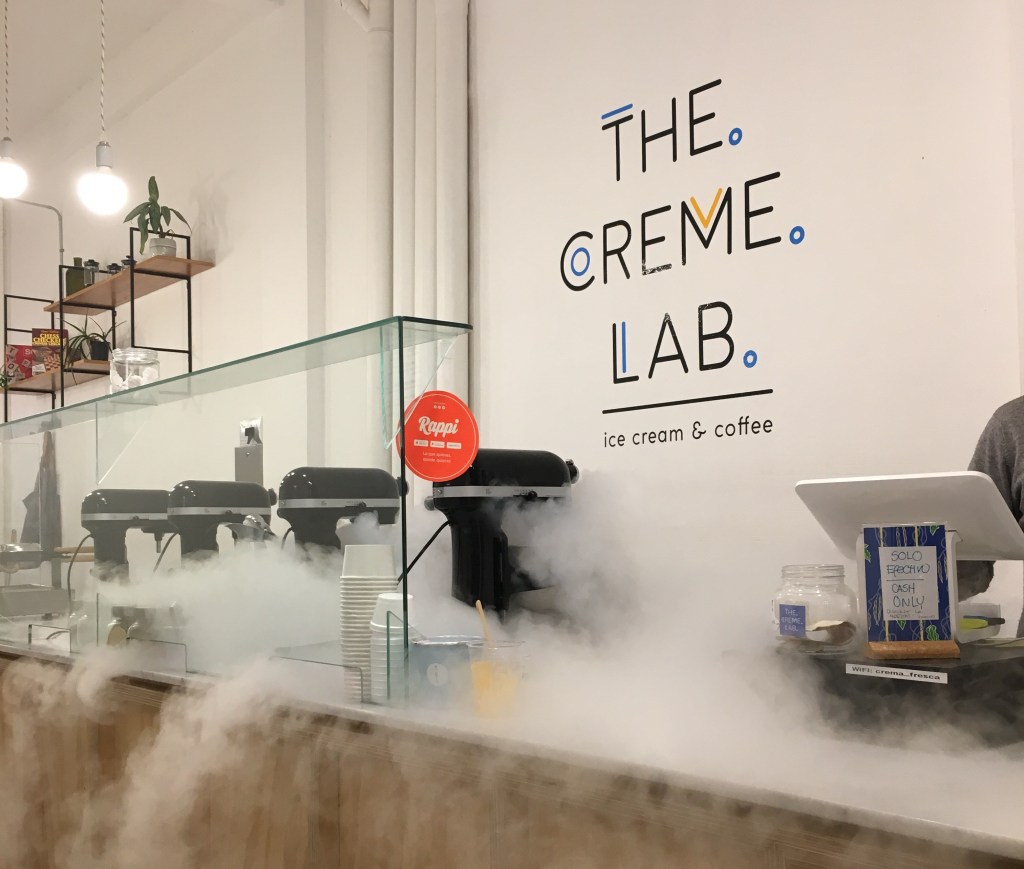
Top restaurants: Gourmet Porteño, La fábrica del taco, Waffle’s House (Palermo), The Creme Lab

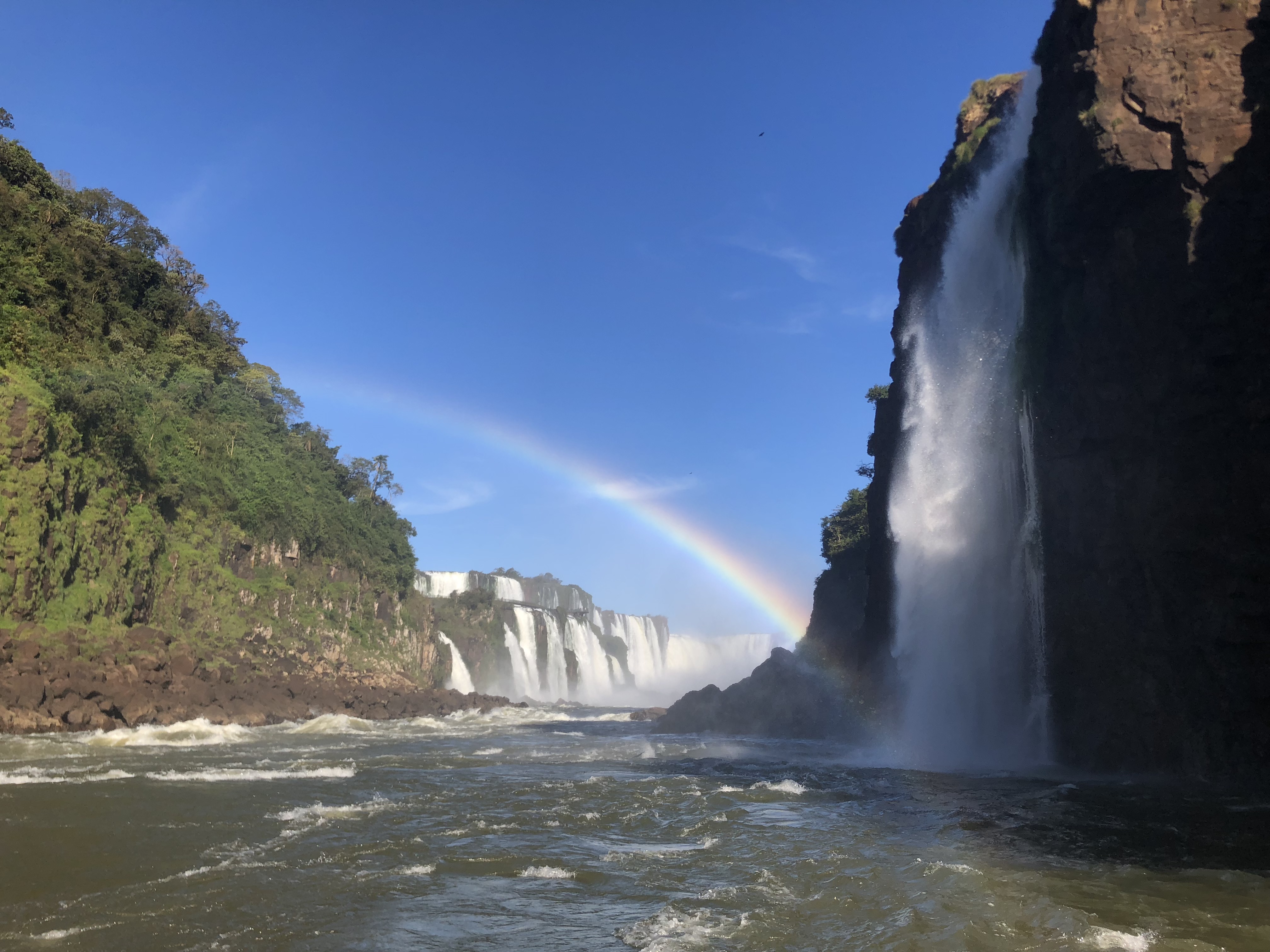
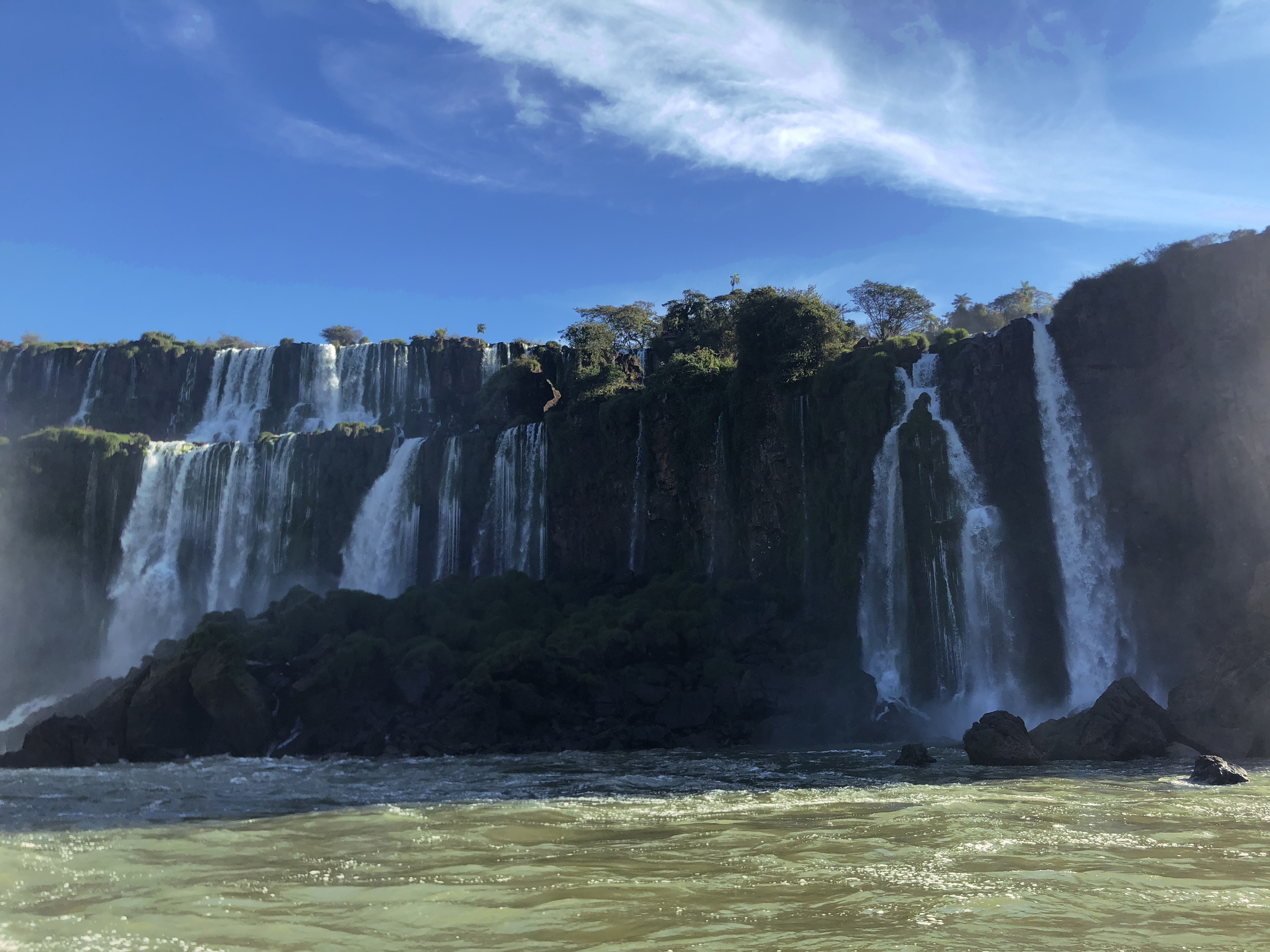
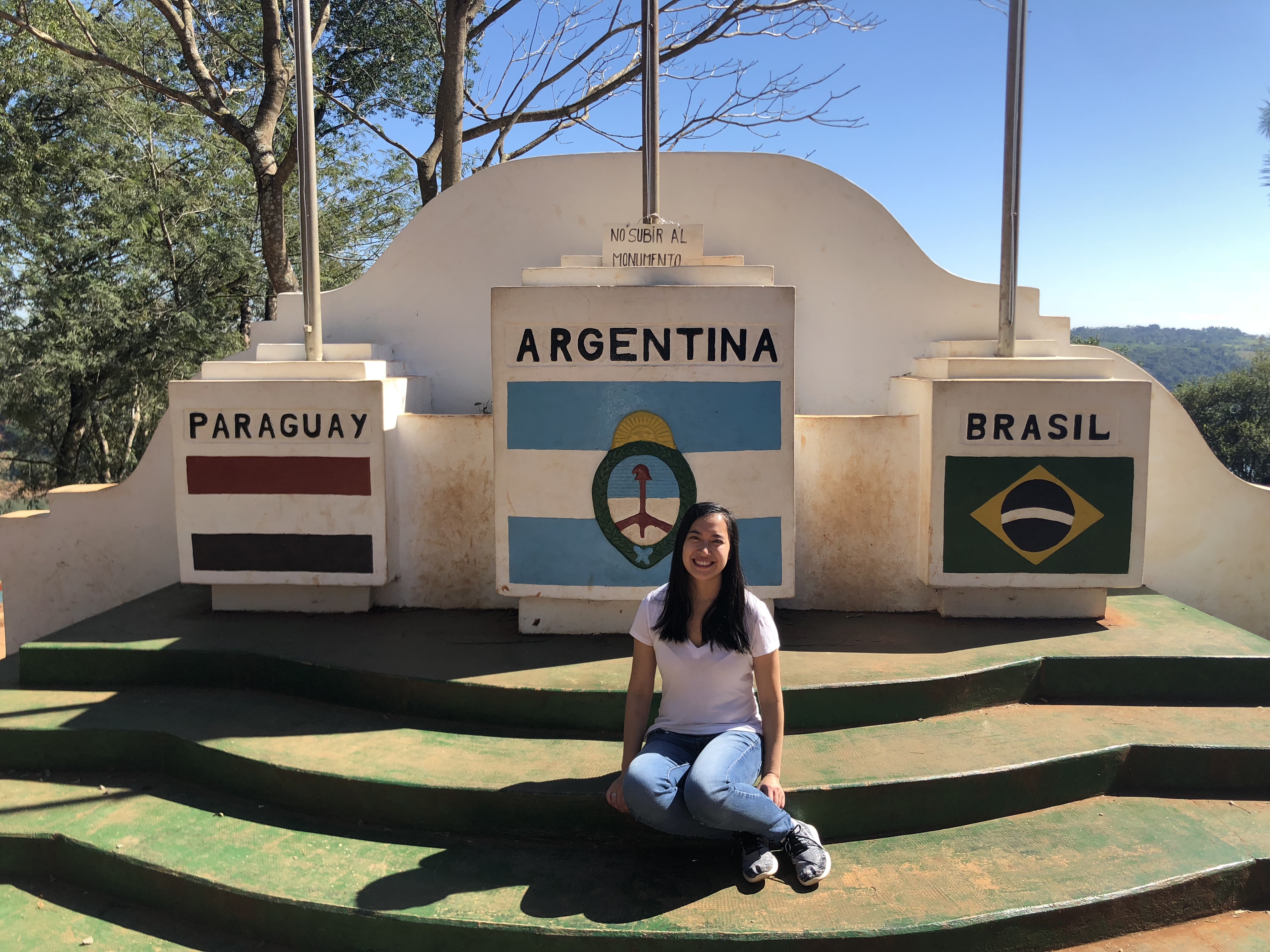
Other: I was able to take a 3-day trip to Iguazu Falls. Check out my video to see more!

This is only a list of some of the places I visited. There are sooo many more places and museums that I did not get around to visiting. Time goes by fast, so plan accordingly. I advise doing a little research about the city before you go, but keep an open mind and ask locals about cool places to visit and eat – they know best! There are too many people that make an unrealistic list of places they want to visit and then are let down when not everything on the list is checked off by the end. When I went to Buenos Aires, our wonderful in-country host person had a booklet made for us with various places to visit. In Chile, my host mom gave me a lot of recommendations for places to visit. Google searches can be helpful, but don’t be afraid to reach out and ask past students/fellows and locals about where to go! Additionally, everyone has their own interests, so go to places that interest you!

Homesick/Remnants of Home

It can be difficult living in a foreign country with no one you know. Traveling and living abroad takes flexibility and an open mind. It forces you out of your comfort zone – especially when it comes to meeting new people and making friends, forcing you to be sociable. While I met lots of amazing new people and loved my host family, there were still times I felt homesick and there was always the feeling of What did I miss?. While it is important not to live your time abroad wishing you were home all the time, it is normal to reach out to your home base. Thanks to technology, you can stay connected while abroad. Don’t be afraid to call or Skype with family, friends, therapists, or whoever is part of your support system. I did this to keep myself grounded and to cope with being away and living in a foreign country. I also kept a journal to reflect and record everything, and a calendar where I would write down what I did that day. This helped me to look at the big picture and feel accomplished, especially if I did a lot that week or month. 

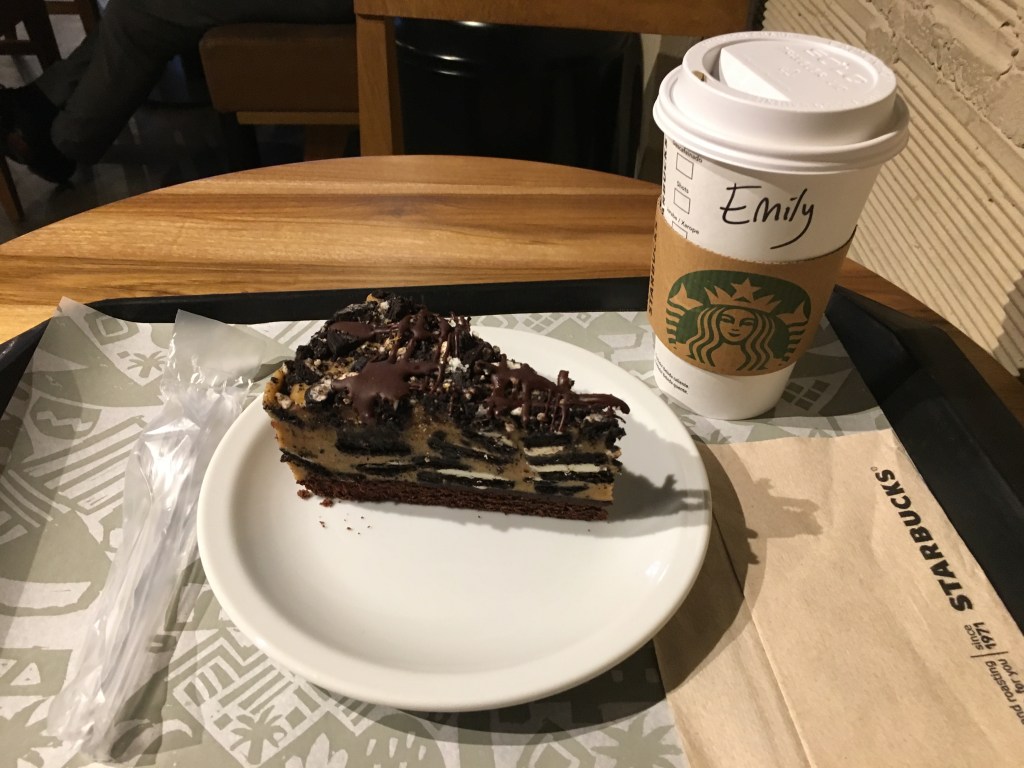
This cookie cake in Argentina is AMAZING! When will the Starbucks in the U.S. have it??

Missing home? Don’t be afraid to indulge in comforts from home while abroad. For me, this was food. Sometimes I had Starbucks, ramen, and peanut butter. On both trips, I brought a few food items from home that I would sometimes snack on. In both places, I ate ramen and at the time, I wasn’t sure why since ramen isn’t that good, but looking back I think for me it was a remnant of home. The same was for peanut butter – the minute I saw it in Barrio Chino, I quickly grabbed it (Peanut butter is not common in Chile or Argentina; in Argentina dulce de leche rules and in Chile, manejar, both of which I love!). While most people tell you to immerse yourself in the culture (which I totally agree with), it is okay to indulge in comforts from home if that’s what helps when you’re feeling homesick. I remember buying Starbucks coffee one day before class and feeling guilty if people would judge me about not “immersing myself in the culture”. I realize now that I shouldn’t have felt that way and realize it’s okay to run back to comfort every now and then as long as it is not all your lifestyle abroad. It’s also fun to compare menus and the taste of the food with restaurants that are abroad and also in the United States! Food is an easy item to carry in your suitcase – both from the United States and from the countries you visit!
 *Watch for each countries’ rules regarding bringing in certain foods

The Work Place in Buenos Aires

*This blog was written while I was in Argentina and intended to be posted onto our cohort’s blog but this did not occur.

Working various jobs in the United States from a museum, selling ham, and being a tutor, I thought I was prepared for the Argentine workplace. Cultural Vistas equipped us with a packet about professionalism in foreign workplaces and I had previously visited my college’s career center for advice about the workplace and interviews. I passed my Skype interviews with the directors in Argentina and I was excited to meet them! I knew all about dressing professionally ─  I wore dresses and blazers to my museum job every day. I knew about handshakes, making eye contact, sitting up straight, looking attentive, and everything else about meeting new employers. 

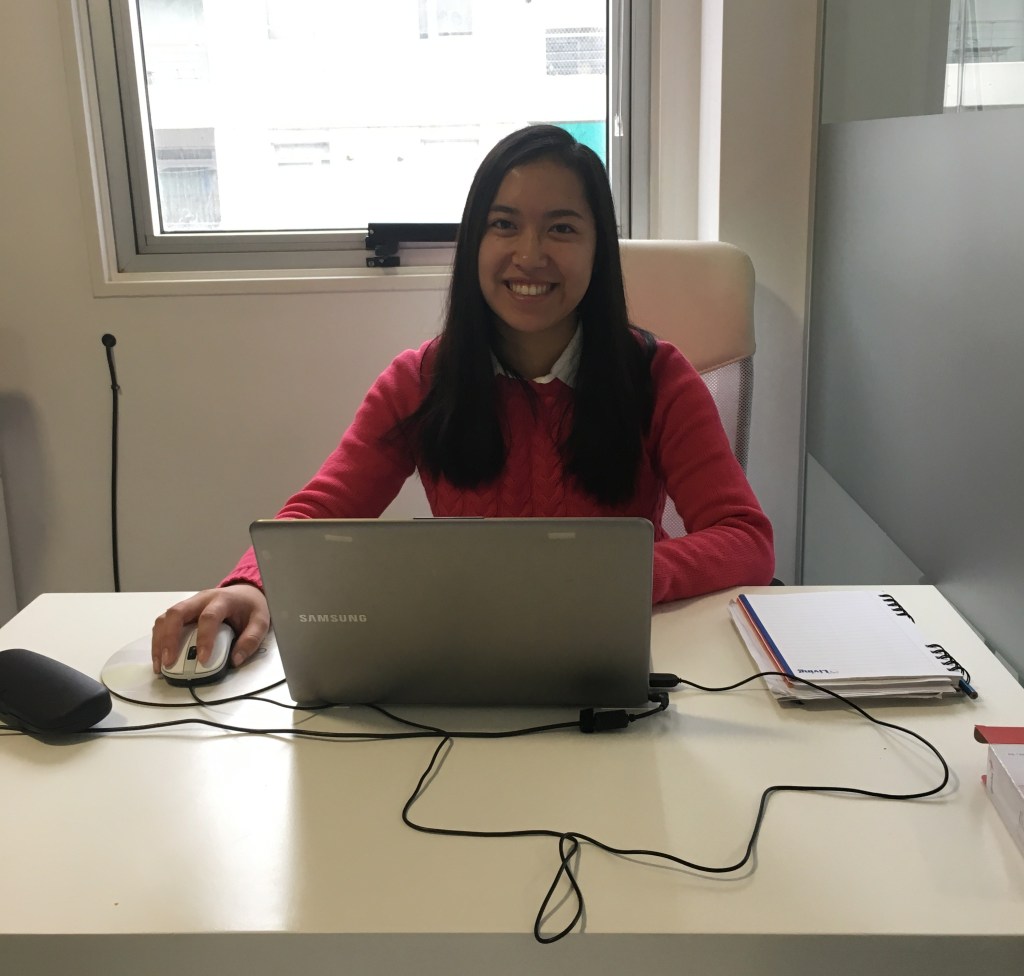
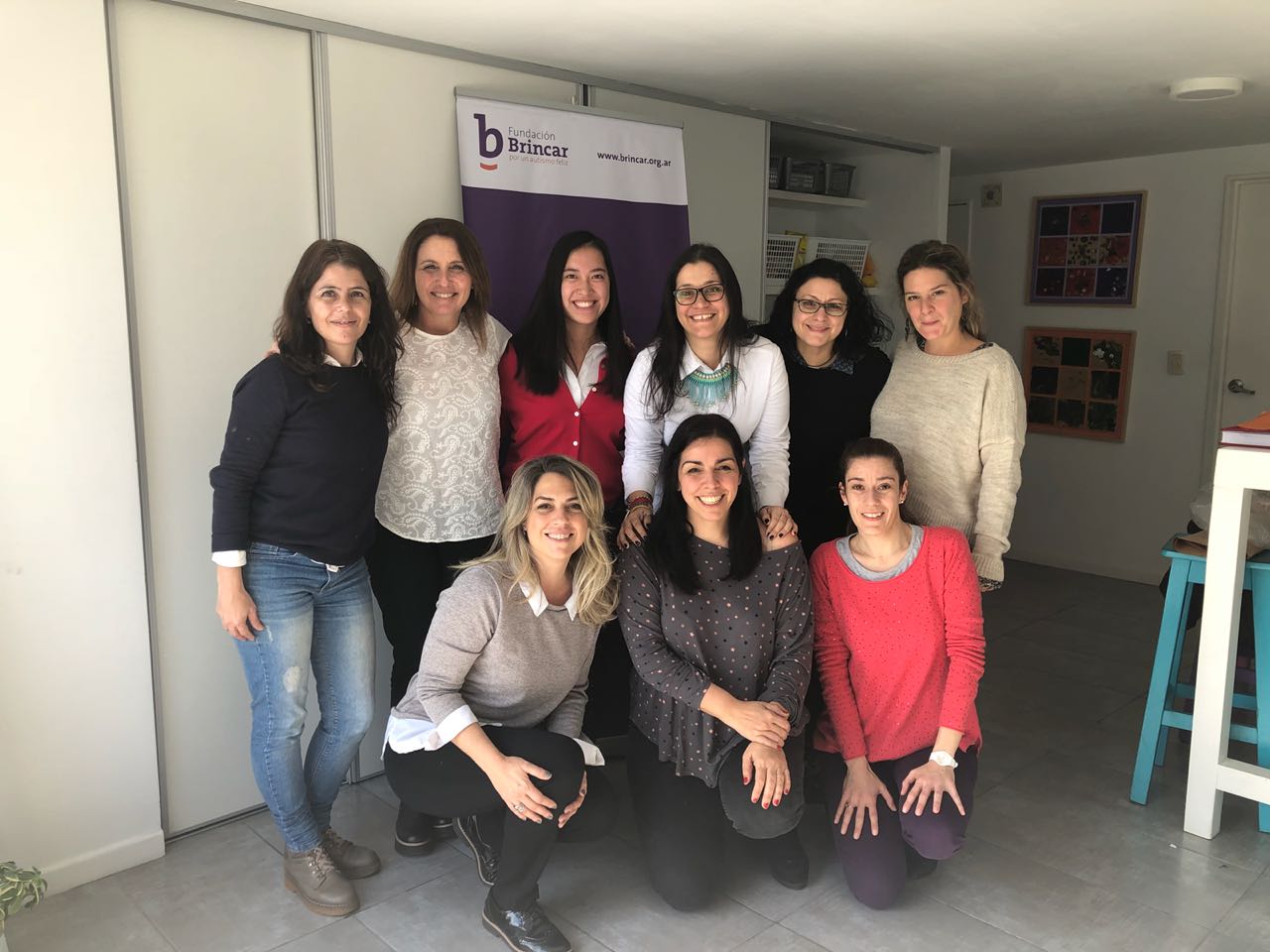
Yet, when I entered my workplace in Buenos Aires I looked extremely scared and frightened. Handshakes were traded in for a hug and kiss on the cheek, and pencil skirts were traded for jeans. I’ve never been told “tranqui” so much in my life until that day. The workplace seemed so foreign. People wear jeans and speak expressively and warmly. The office isn’t filled with silence, but rather with robust conversation of anything from work to yesterday’s soccer match. Where I work is a collaborative environment, people are always talking and working together. Every morning when I come to work, I go around to all my coworkers to give them a kiss on the cheek and ask them how they are. (I didn’t do this my first day, but quickly picked up on ─ I didn’t want to be the cold American in the office) This is also done whenever someone leaves or arrives, even if someone is on the phone. At my company Brincar, everyone is so nice and patient with me. I never feel that I am getting on someone’s nerve or that someone is annoyed with me. Compared to the U.S. workplace, it is so much more relaxed and way less rigid and stiff. I feel that in the U.S., people put on this professional front at the workplace, but here I feel like there is not much of a difference between how people act at home versus how people act at work. In addition, people come and go freely. They go out for lunch or buy things such as a computer mouse. No one clocks in or out and lunchtime is not deducted away. Even in such a relaxed workplace, people are still very productive and take their work seriously.    

A few tips for the work place in Buenos Aires:

  • Don’t shake hands ─  do their greeting. Even if you’re a guy do it ─ guys here kiss one another on the cheek for the customary greeting. 
  • Ask about the dress code: I could have left many pairs of dress pants at home and brought a few more jeans had I known the dress code. In general, it seems more casual. However, this does not mean bring your baggy sweatpants and sweatshirts ─ no one, even outside the workplace, wears these often.  
  • Prepare to eat lunch later: My first couple of days I sat at work starving. My stomach was not used to eating at 2:00 pm. Lunch here at my work is usually eaten at 2:00 pm or 2:30 pm. Other fellows ate lunch a little earlier, such as 1:30 pm. But lunch at 11:00 am or 12:00 pm is not the norm here. Before lunch however, people do a lot of snacking. 
  • A note on to-go cups: In the U.S., everyone comes in with their Starbucks coffee cup or whatever to go cup people have. But here? I think to-go coffee cup companies do about half their business in the United States. There really aren’t many people here who carry their to-go coffee cups around. At work, people principally drink mate and there’s not really a to-go type of cup for it. Some of my co-workers drink coffee, but from ceramic mugs at the workplace. Plastic, one-time use cups are not that popular. 

This blog was written by my own experiences and is not representative of all work places or other experiences.

Adulting

*This blog was written while I was in Argentina and intended to be posted onto our cohort’s blog but this did not occur.

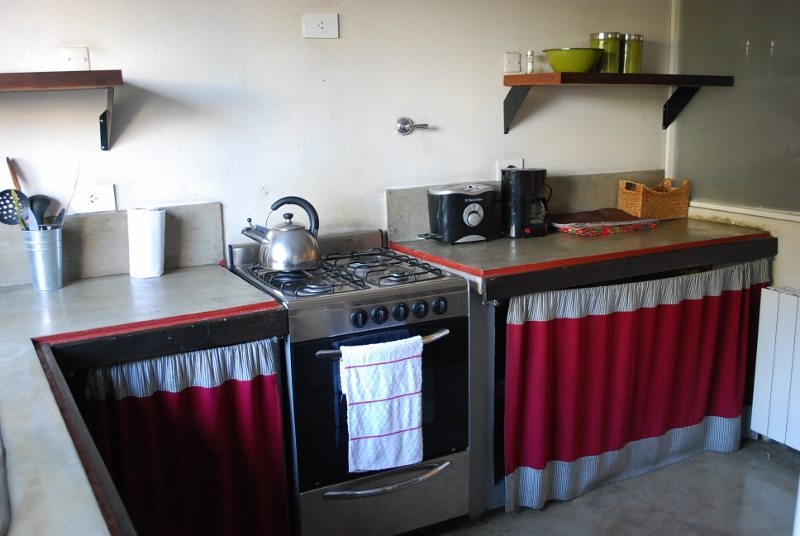
Adulting is hard. There is no doubt about it, yet adulting hit me hard here. Prior to coming to Argentina, I thought I was set. I live without my parents during the school year, I do my own laundry while at college, and I enjoy cooking. I have lived with a roommate since my first year of college and this past year lived in suite-style living with 12 other people. I knew coming into the program that I would be living in a house with four other people and I would have to prepare my own food. 

This experience has made me realize how unrealistic the American college life is ─ living in a dorm where my bathrooms are cleaned five times a week, having meals ready to go with just the swipe of my college ID thanks to a meal plan, and having entertainment right on campus. Explaining the American college life to people here sounds like the most foreign concept ever. People here can’t comprehend that I don’t live with my parents, but instead in a dorm on the college campus. One girl asked with an alarming face: When do you see your parents? Only during the school vacations?! *gasp* (note: Living on campus and dorms are not common here on college campuses. Most people live at home while attending college.) 

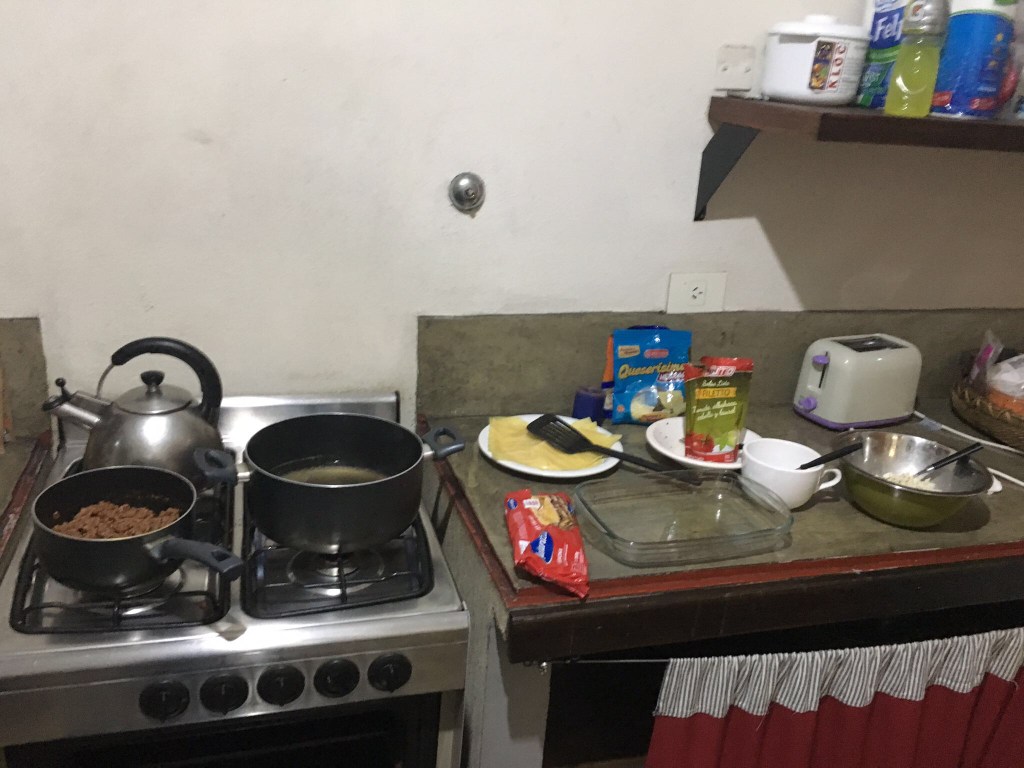
Cooking proved to be more difficult than I originally thought. Here they don’t sell a lot of the items that I cook with in America or they don’t sell them in the same form as in the states (I miss you minced, powered, and clove garlic). The oven doesn’t have temperature settings and turning on the oven requires the use of about five matches, four of them representing my first four failed attempts. I’m used to cooking in customary measurements, so the metric system is a bit harder to understand when transferring my recipes here. There was also no measuring cups. Cooking was challenging and nights when I get off at 6:00 pm, I certainly don’t feel like cooking. I took my meal swipes for granted and that when I am home and don’t feel like cooking, my mom will cook for me. 

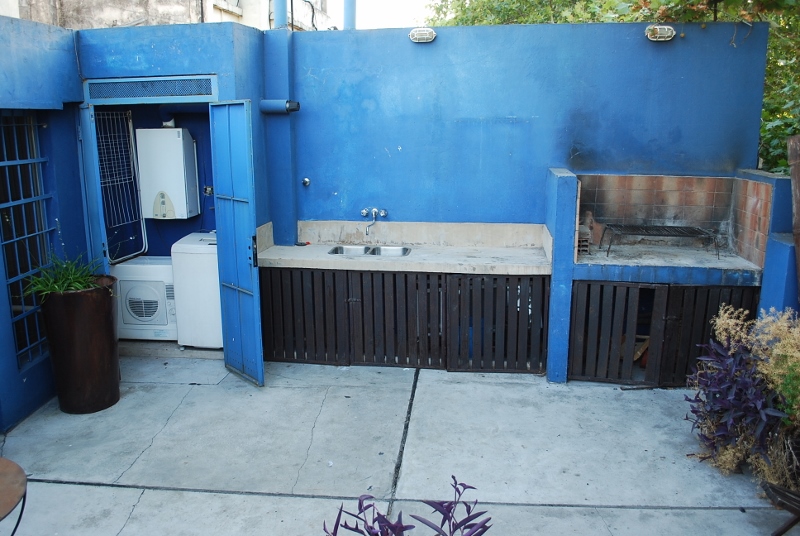
Laundry also proved to be more difficult. We have one washing machine which takes 2 hours to run one load. Being someone who is highly organized with my laundry, it was a change for me here. Usually, I would never wash everything in one load but rather separate my clothes to wash them. But here? Whatever fits in one load, I’ll wash together. Additionally, dryers are not common so air drying was also new for me. Tip: do not leave your clothes out to dry when it is supposed to rain. 

However, there are some things here that make adulting easier. Pedidosya is the best invention ever. I don’t live in an urban area, so services like Uber Eats are non-existent. But with Pedidosya, one can order food from a variety of places online, pay with cash or card, and it will be delivered right to your door via bike delivery. Our house location helps, living in the beautiful Palermo Soho where there are a multitude of restaurants, cafes, and bakeries less than a block away. But most importantly what makes adulting easier? The help of other people. I am grateful for my other housemates who have milk when I run out (Hulices), help fix our toilet (thanks Kevin), and people to cook dinner with me (Chef Abby). Humans don’t like to admit they depend on other people, but I gratefully admit that I depend on my housemates. There are nice strangers to help you when you get lost or our in-country host person Debora who is our like our Argentina Siri.